Curated

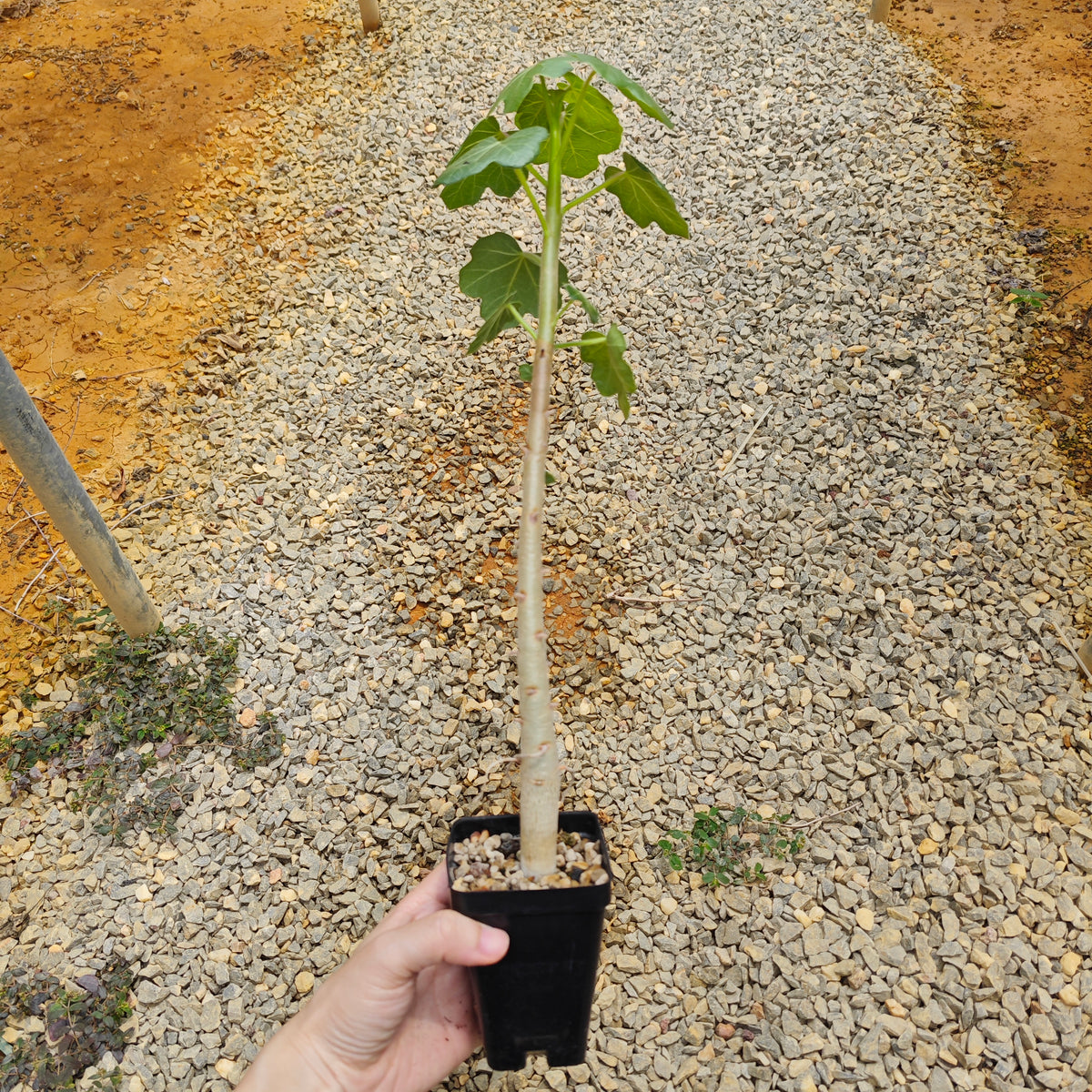
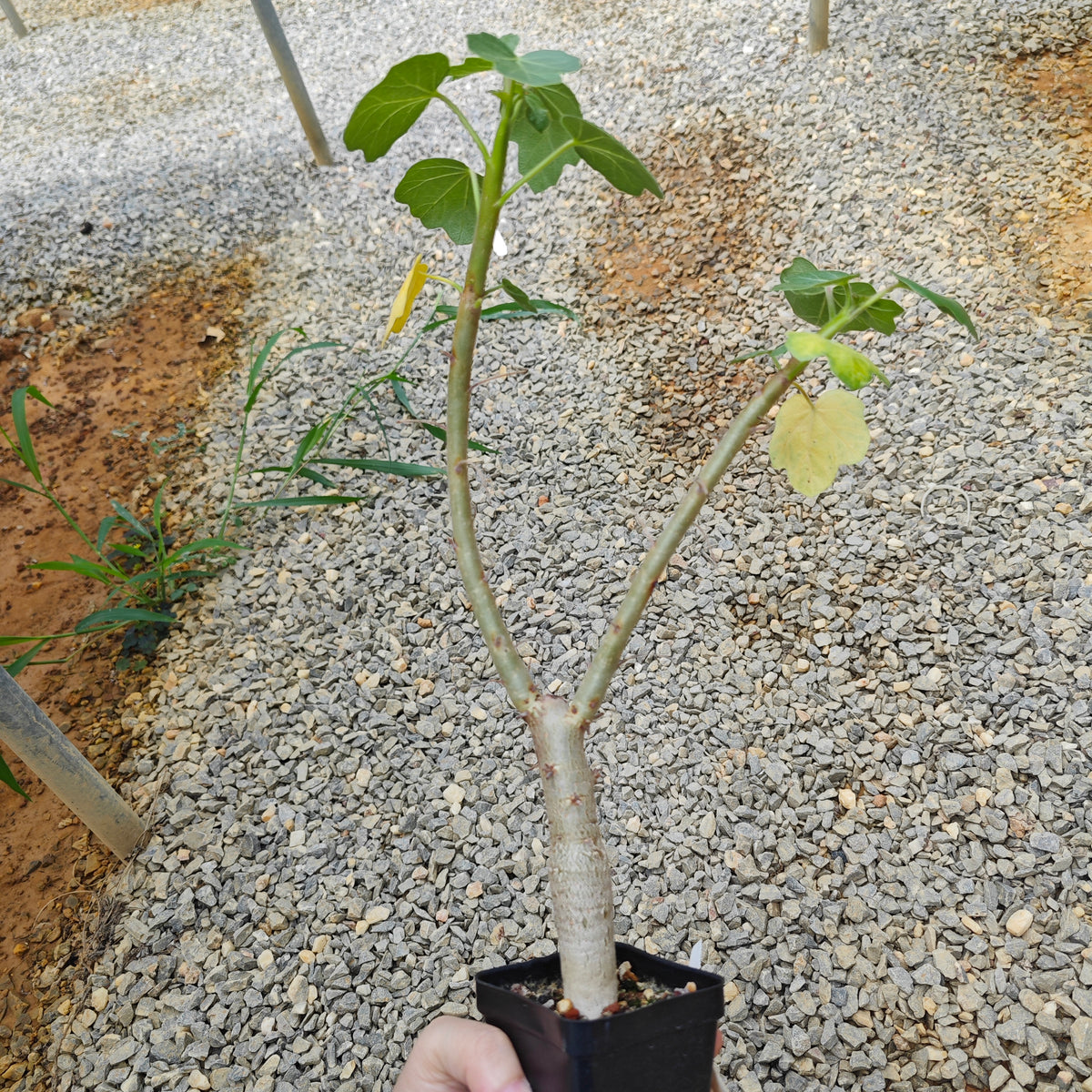
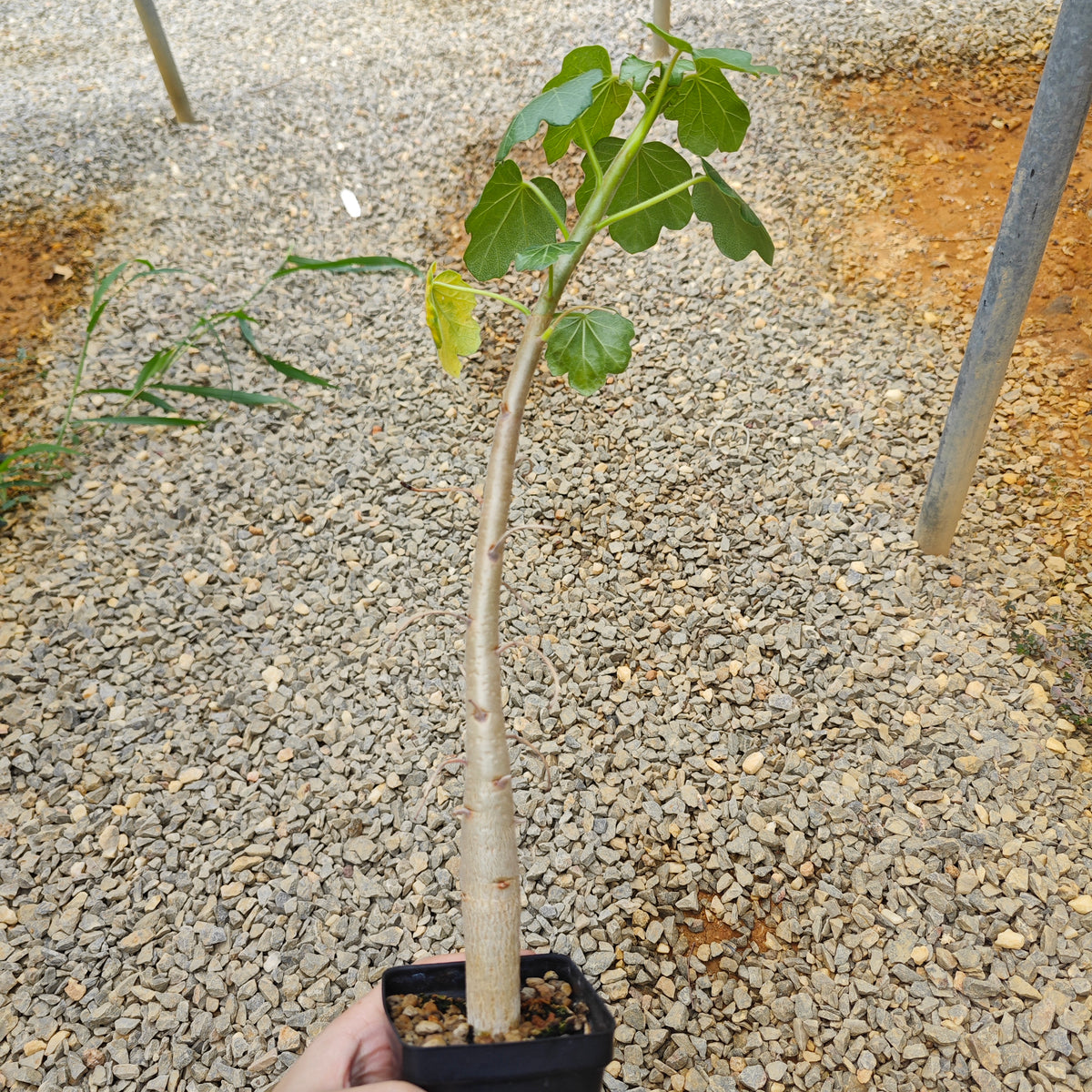
Jatropha conzattii

BotanicalCollector

4.9 · Premium
In Stock · Ships in 48h
$ 35.00 / plant
Attribute Option
Quantity Qty
1
Sales Type Retail, Same Batch
Product Size H10-15cm
Weight 0.5 kg
Propagation Method Seed-grown
Genus Jatropha

Description

1. Origin Geographic Range: This species is a narrow endemic to Mexico, specifically localized in the state of Oaxaca. It is primarily found in the Tehuantepec Isthmus region.Coordinates: Its distribution is centered around $16^\circ 15' \text{ N}$ to $16^\circ 45' \text{ N}$ latitude and $95^\circ 00' \text{ W}$ to $95^\circ 45' \text{ W}$ longitude.Altitude: It thrives at relatively low elevations, typically between $50$ and $400$ meters above sea level.
2. Habitat & Climate Substrate: It is a specialist of seasonally dry tropical forests (Selva Baja Caducifolia). It typically grows in rocky, calcareous soils or on low limestone hills where drainage is instantaneous.Climate: The region experiences a prolonged and severe dry season lasting up to 7 months.Temperature: It is highly heat-tolerant. Daytime temperatures in Oaxaca's lowlands frequently range from $30^\circ \text{C}$ to $38^\circ \text{C}$. It is frost-sensitive and prefers a stable warm environment, with winter nights ideally staying above $15^\circ \text{C}$.
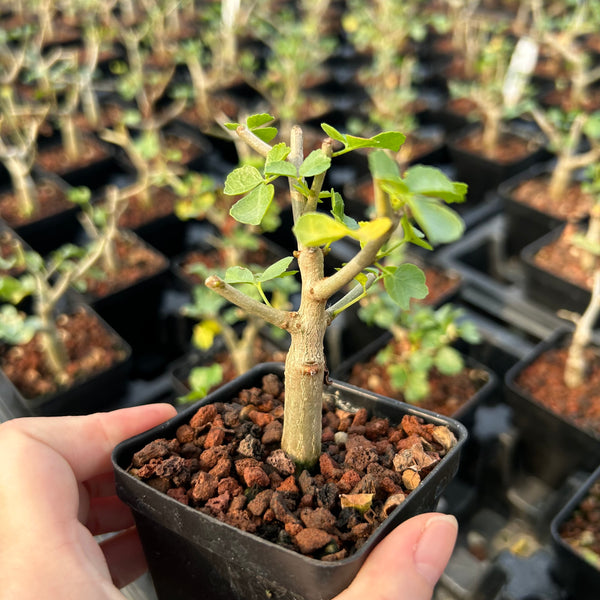
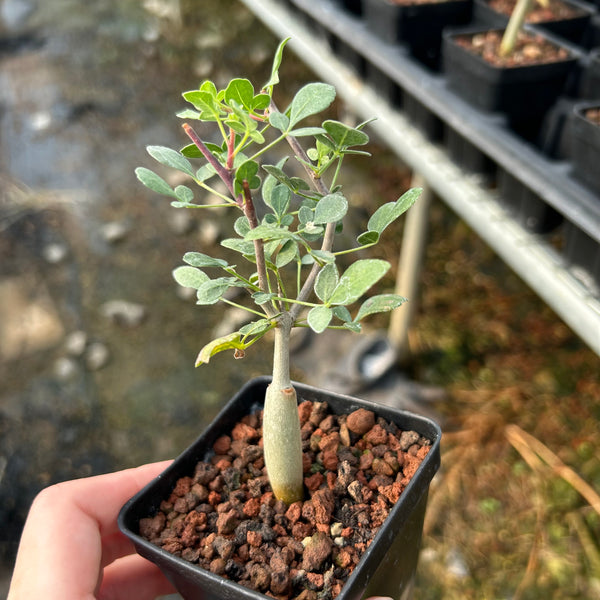
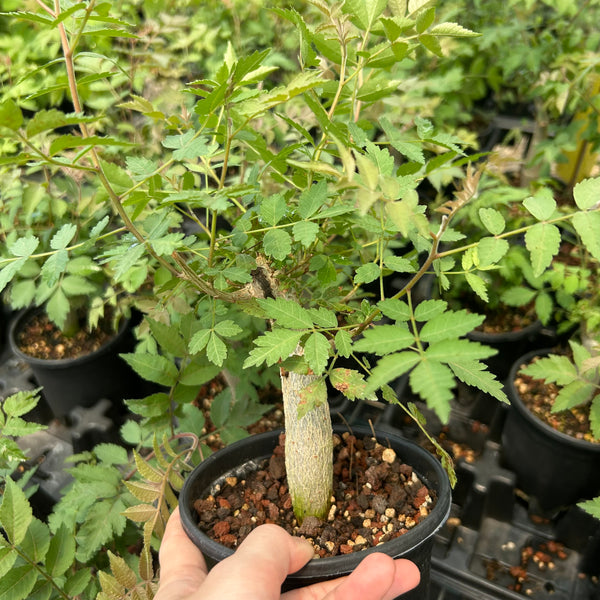
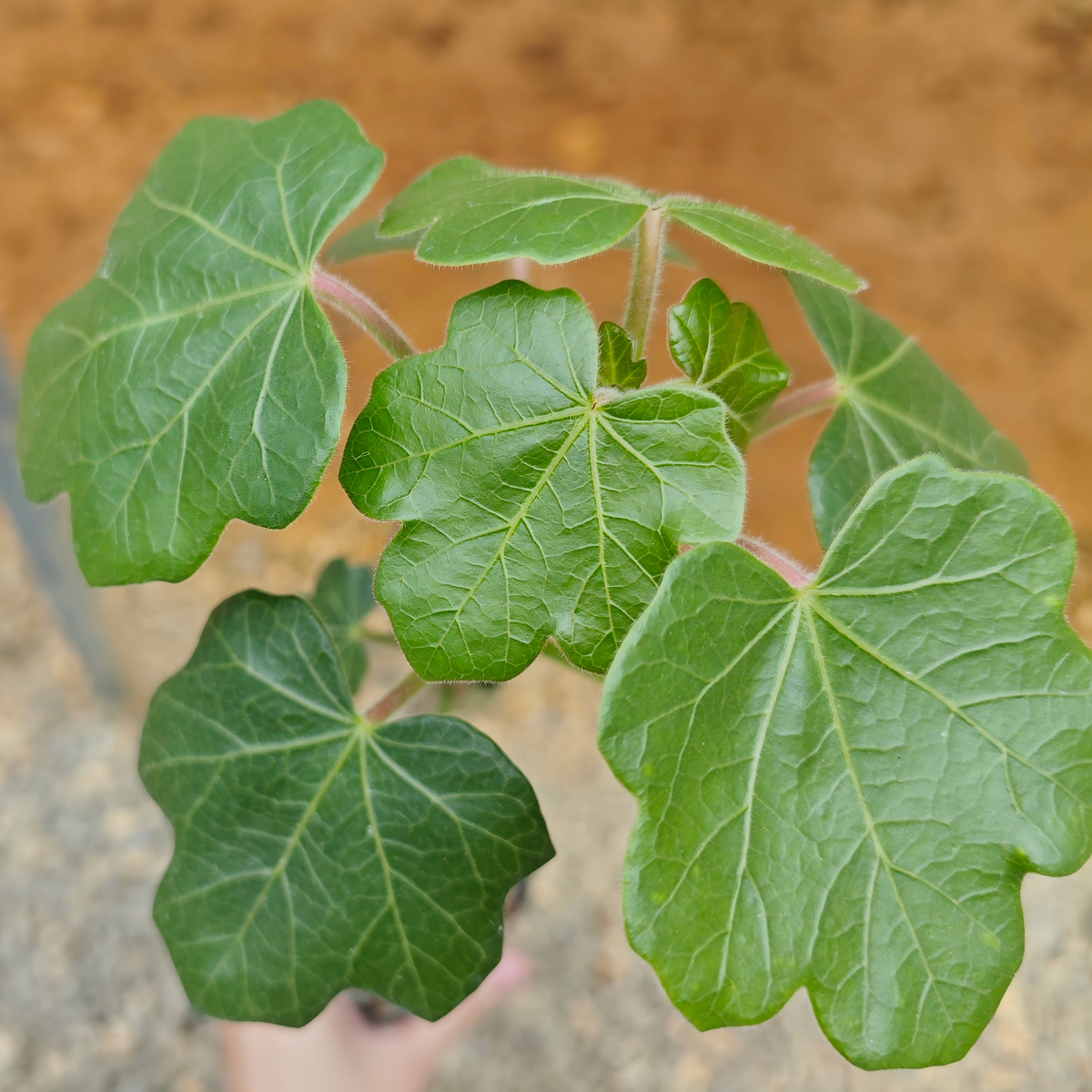
3. Morphological Characteristics The Trunk (Pachycaul): This is a succulent shrub or small tree reaching $2 - 4$ meters in height. Its most striking feature is the papery, peeling bark (exfoliating epidermis). The bark is typically a lustrous reddish-gold or copper color, which peels away in translucent sheets to reveal a green, photosynthetic underlayer.Foliage: Often with a cordate (heart-shaped) base. They are bright green and appear only during the short rainy season, allowing the sculptural trunk to take center stage for most of the year.Flowers: It produces small, inconspicuous greenish-yellow to cream-colored flowers in branched cymes.Aesthetic: Due to its peeling bark and thickened base, it is often cultivated as a "large-scale bonsai" or focal specimen in pachycaul collections.
4. Etymology & Story Etymology: The species is named in honor of Cassiano Conzatti ($1862–1951$), an Italian-born Mexican botanist who dedicated his life to documenting the vast flora of Oaxaca.The Story: For a long time, Jatropha conzattii was overshadowed by its more famous cousins like J. berlandieri. However, it was "rediscovered" by the succulent community for its incredible metallic bark, which mimics the appearance of ancient, weathered metal. In its native Oaxaca, it survives the scorching sun by shedding its "skin" (bark), a strategic adaptation to prevent overheating and moisture loss. Collectors prize it as a "Living Sculpture of Mexico," as no two specimens grow with the same gnarled trunk pattern.

Care Guide

Essential Care Tips for Thriving Plants

Light

Provide partial to full sun. Most plants thrive on direct UV exposure. Avoid placing behind window glass, as it filters out the essential UV rays needed for healthy growth.

Water

Follow the "Soak and Dry" principle. Ensure the top 2–3 cm of soil is bone dry before watering (use the finger test). Reduce frequency in winter, but do not stop watering entirely.

Temperature

The ideal range is 18–35 °C. Maintain temperatures above 5 °C during winter. Please note that temperatures below 0 °C pose a significant risk of plant death.

Humidity

Best kept at 30–50% humidity. Note: High air humidity is not a substitute for root watering. Avoid overly damp areas to prevent root rot or leggy side shoots.

Soil

A loose, well-draining medium is ideal. A mix containing 50–70% grit or mineral soil is recommended for aeration. Outdoor ground planting is also a viable option.

Fertilizer

Fertilize during repotting using Osmocote A2 slow-release fertilizer. Apply sparingly twice a year, or adjust the fertilizer type based on your specific home environment.

Planting Guide

Start Your Green Journey in 4 Steps

01

Unbox & Inspect

Carefully unpack and inspect the plant’s body and roots. We recommend taking photos or videos immediately for your records. Place it in a shaded, well-ventilated spot for 1–2 days to acclimate to its new environment.

02

Potting & Placement

After 24 hours of rest, pot the plant using slightly moistened soil. Place it in a bright, airy location to encourage recovery. Keep away from AC vents or heaters to prevent damage from temperature fluctuations.

03

First Watering

Use water that has sat for at least 24 hours. If using the damp-potting method, wait 2–3 days before the first watering. Ensure a thorough soak until water drains freely from the bottom.

04

Daily Care

Monitor leaf condition and soil moisture daily. If the soil remains damp, increase ventilation rather than watering. Proper airflow is essential to prevent root rot and ensure lasting health.