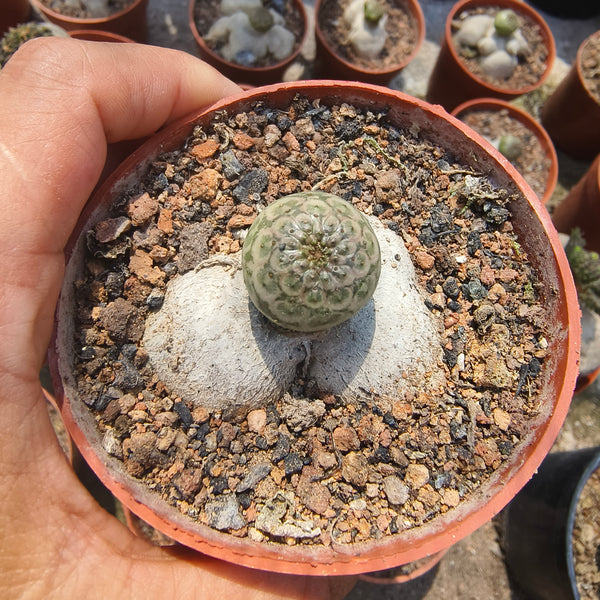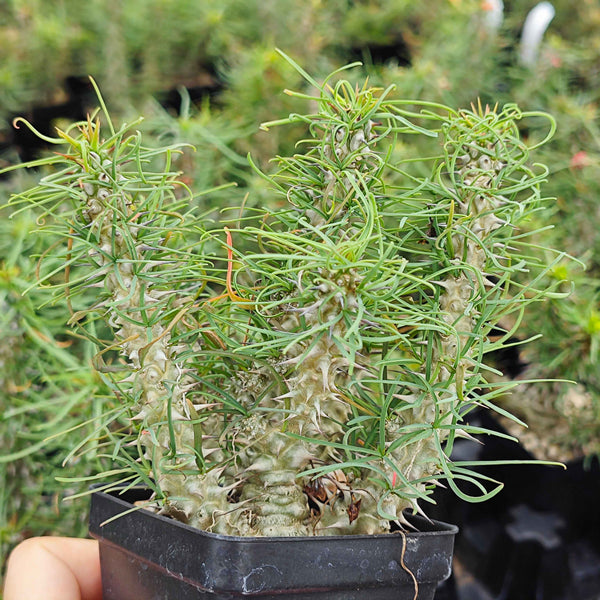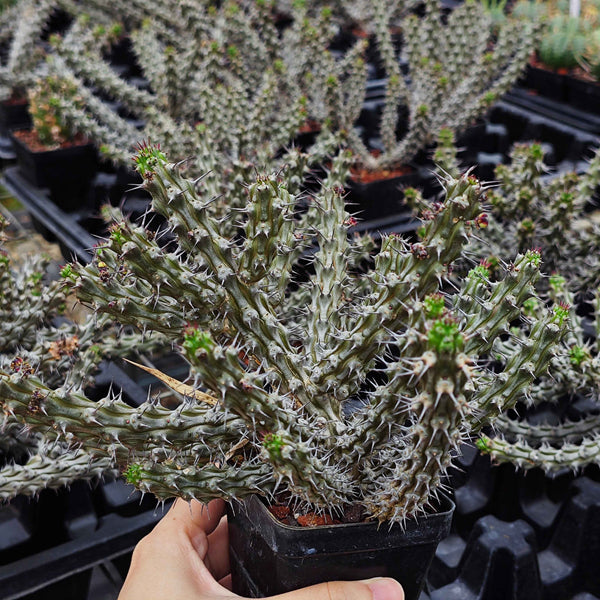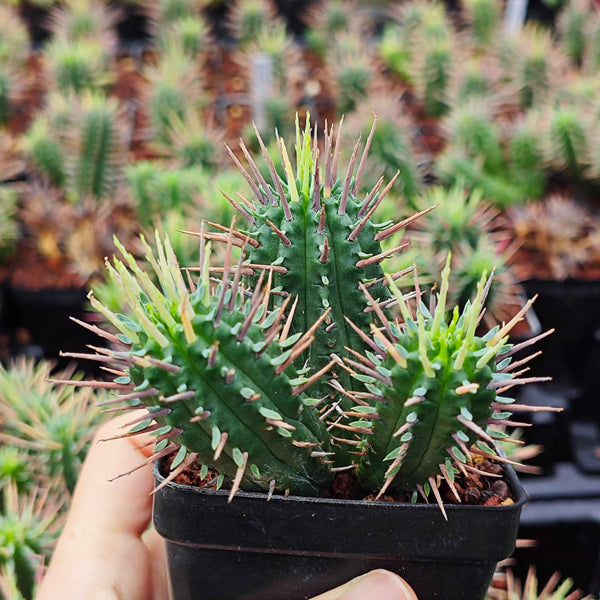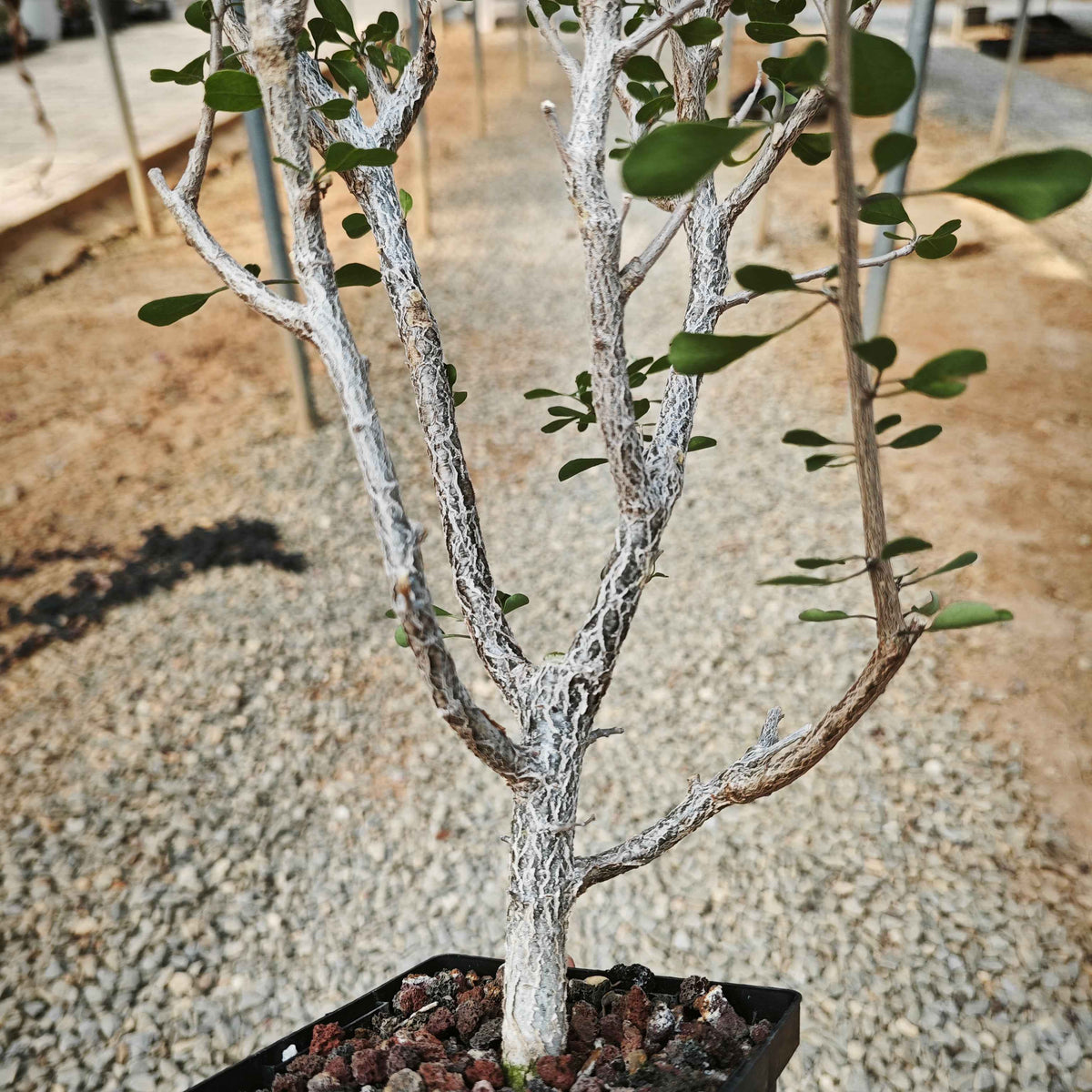
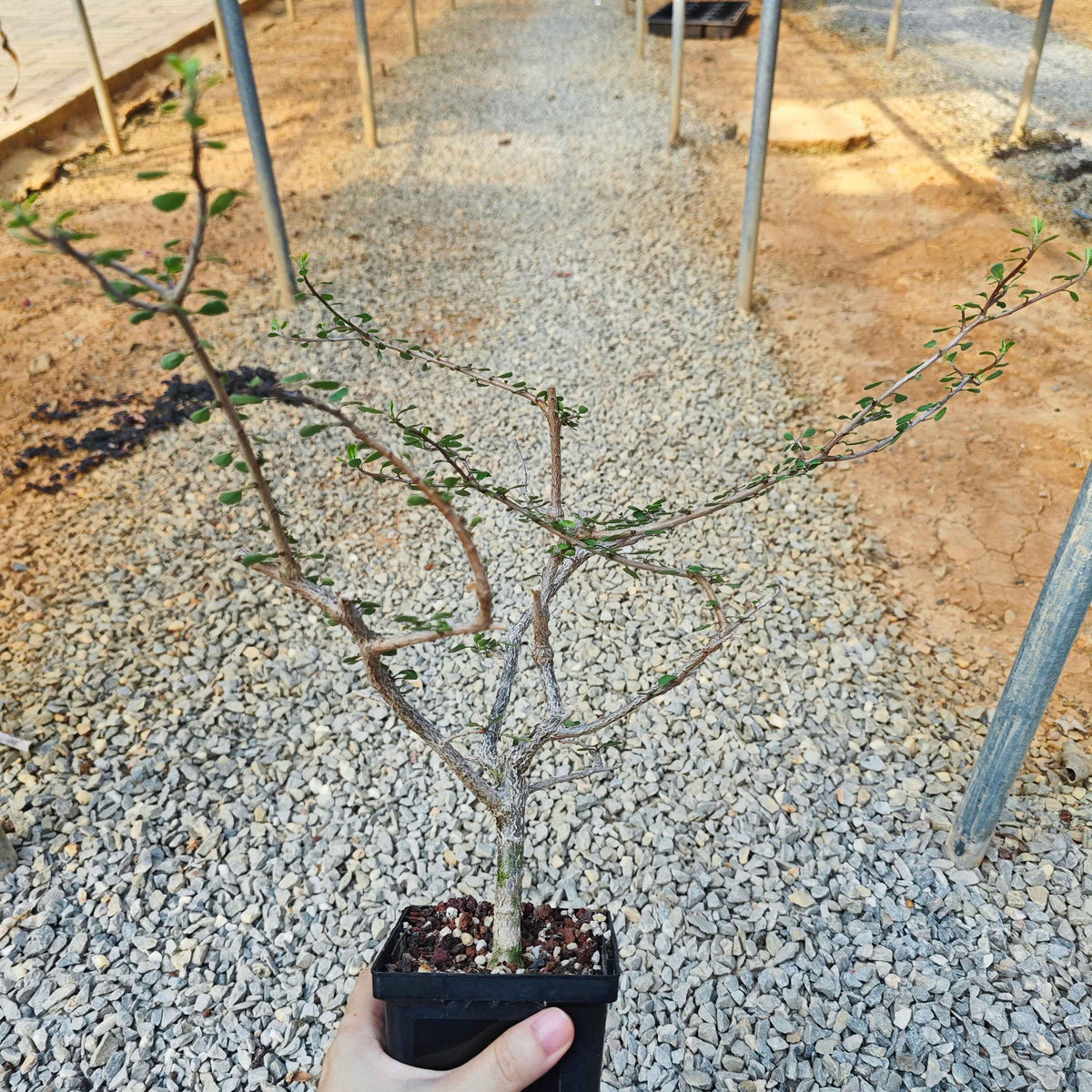
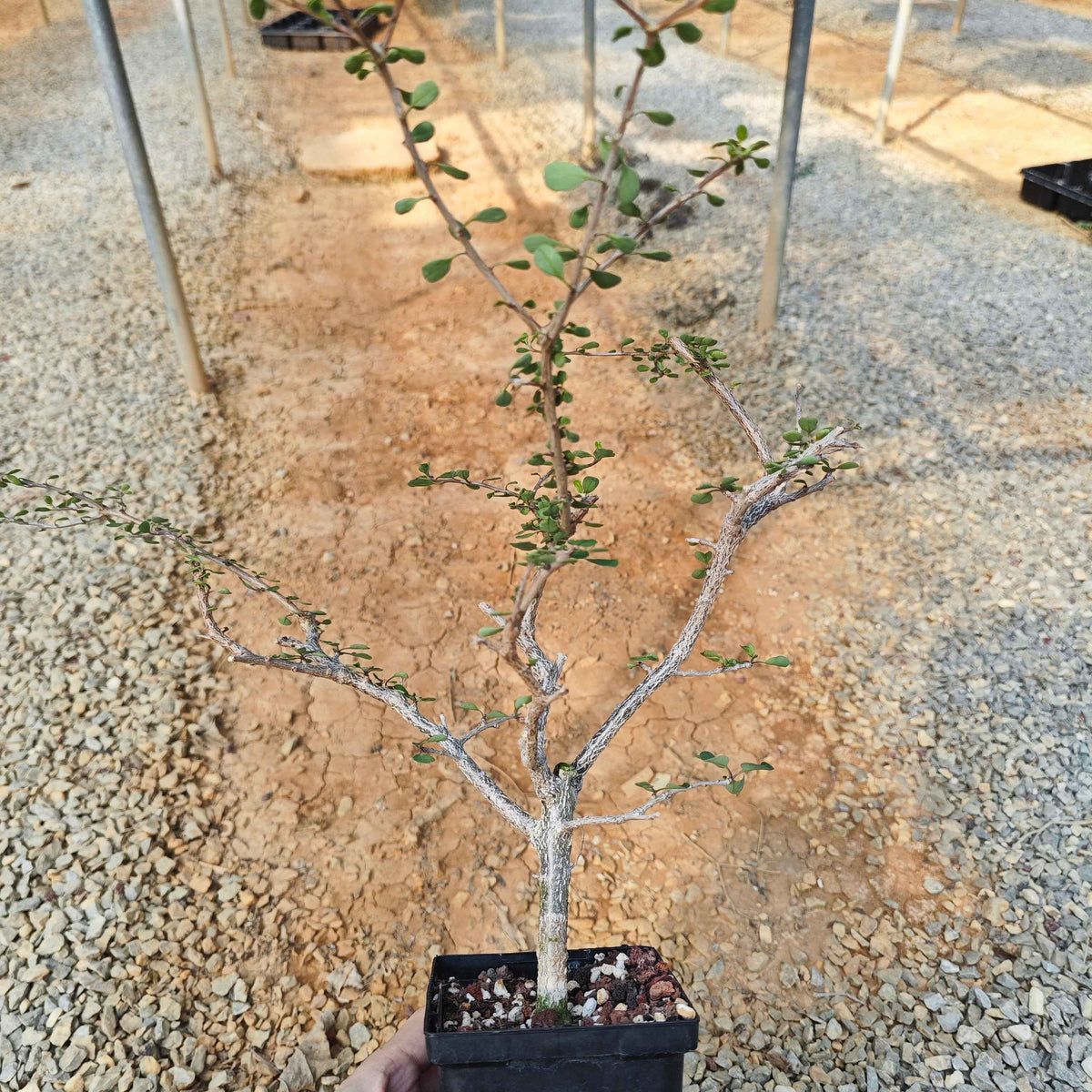
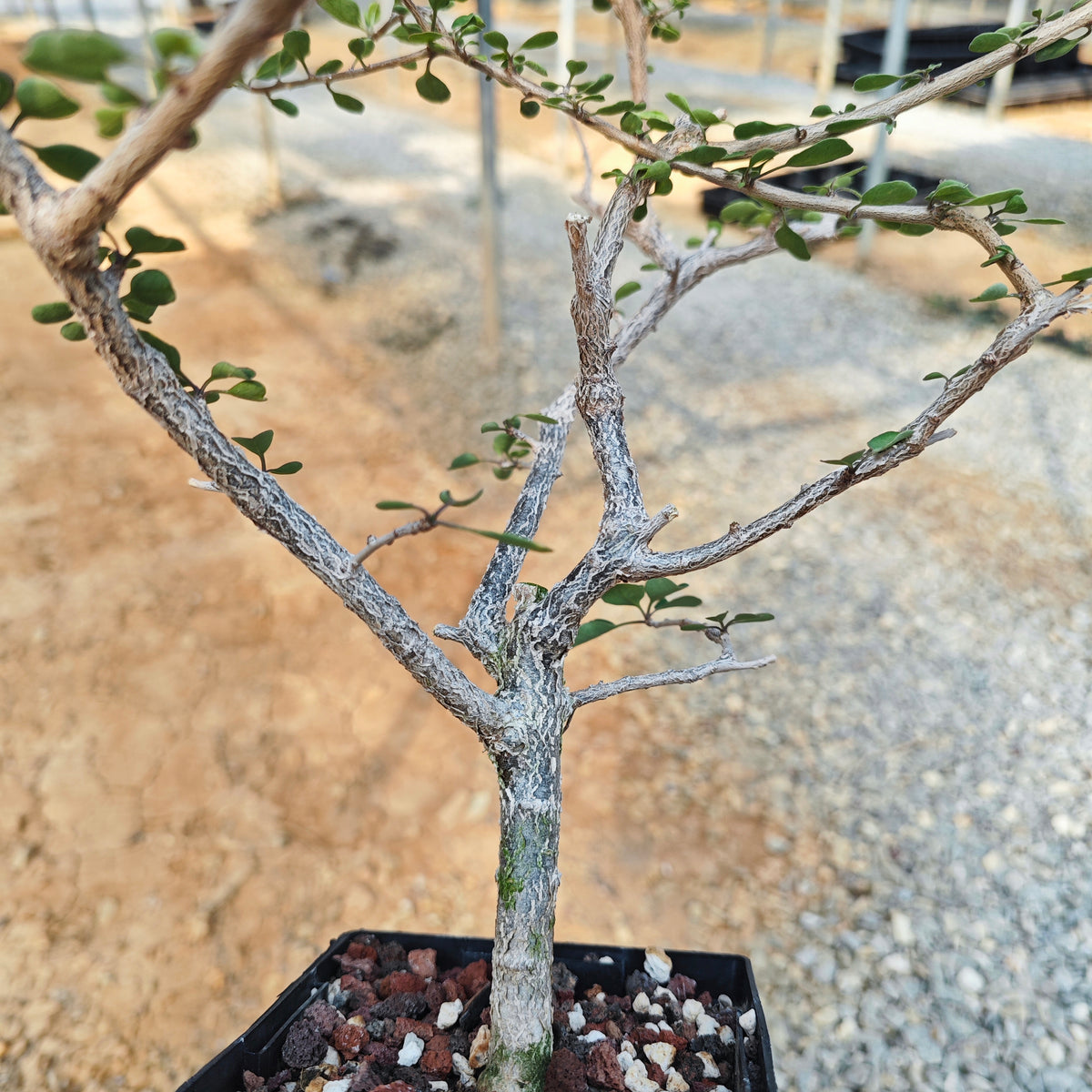
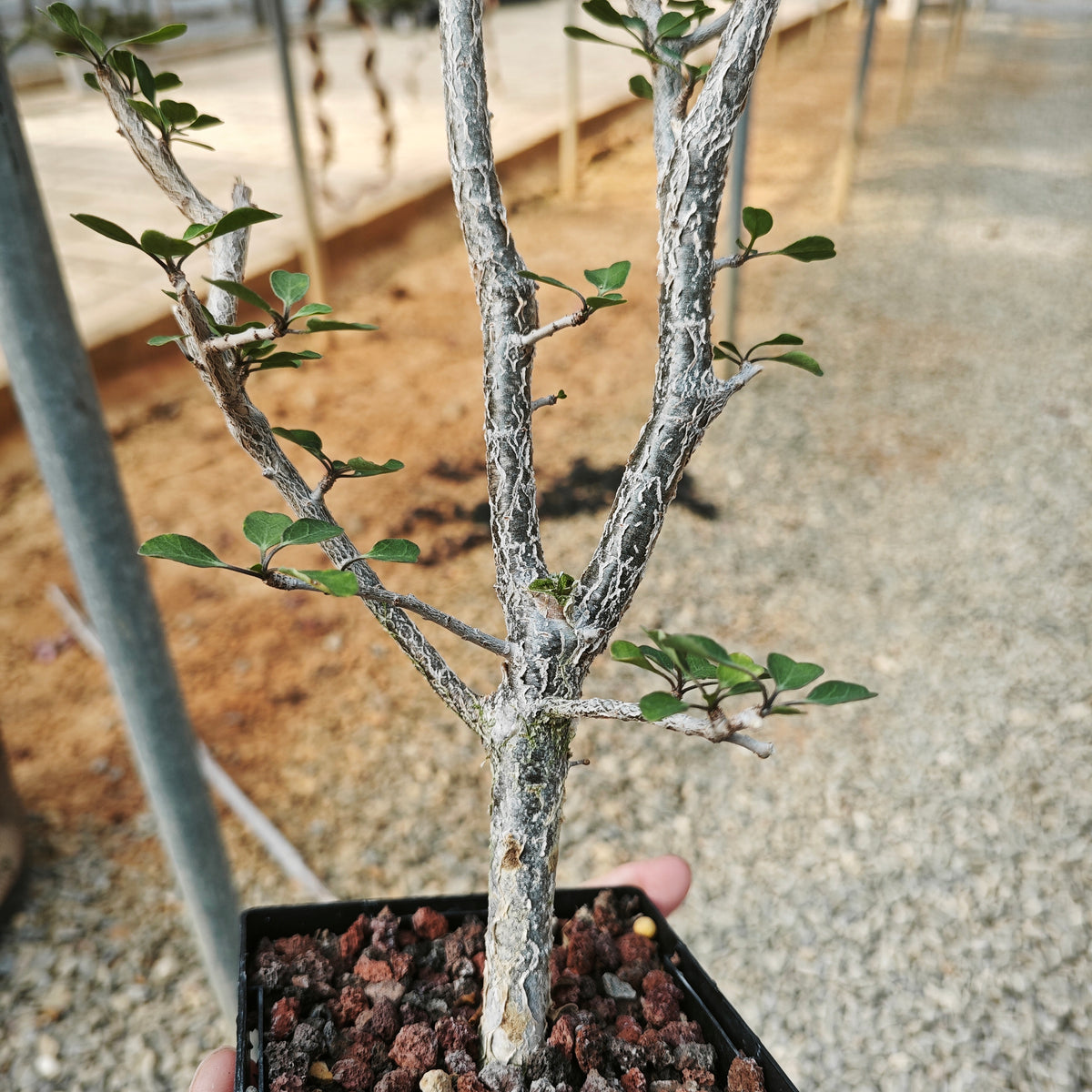
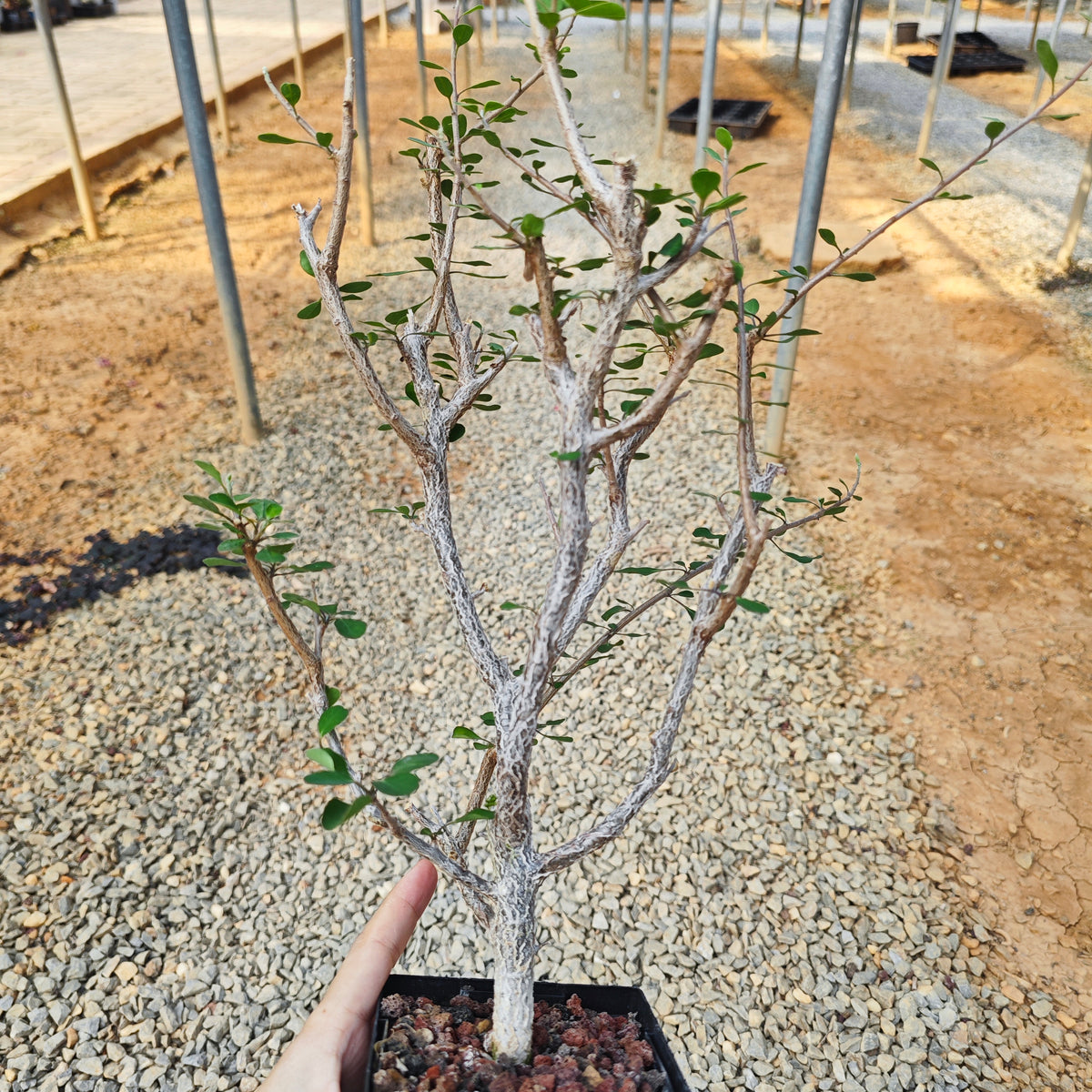
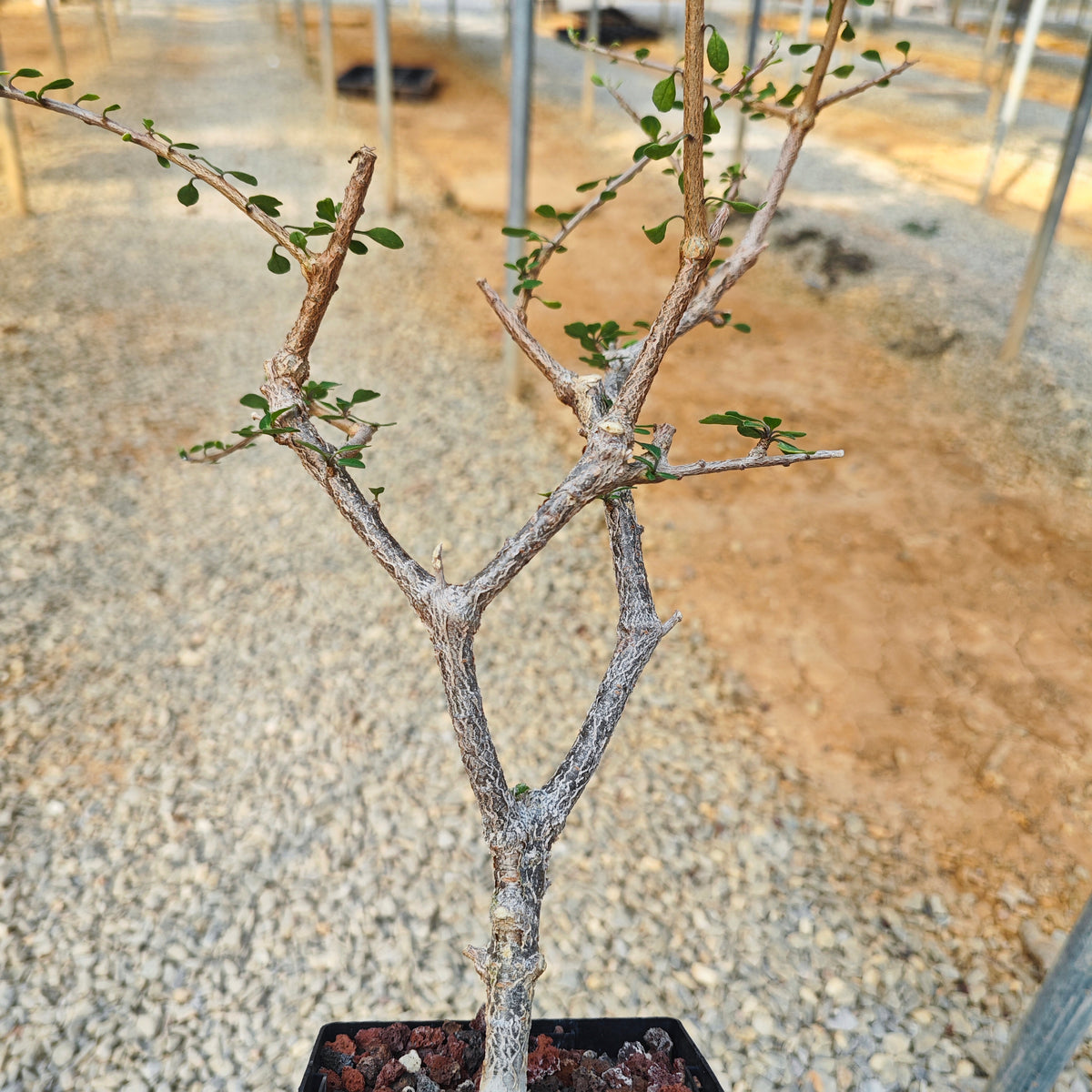
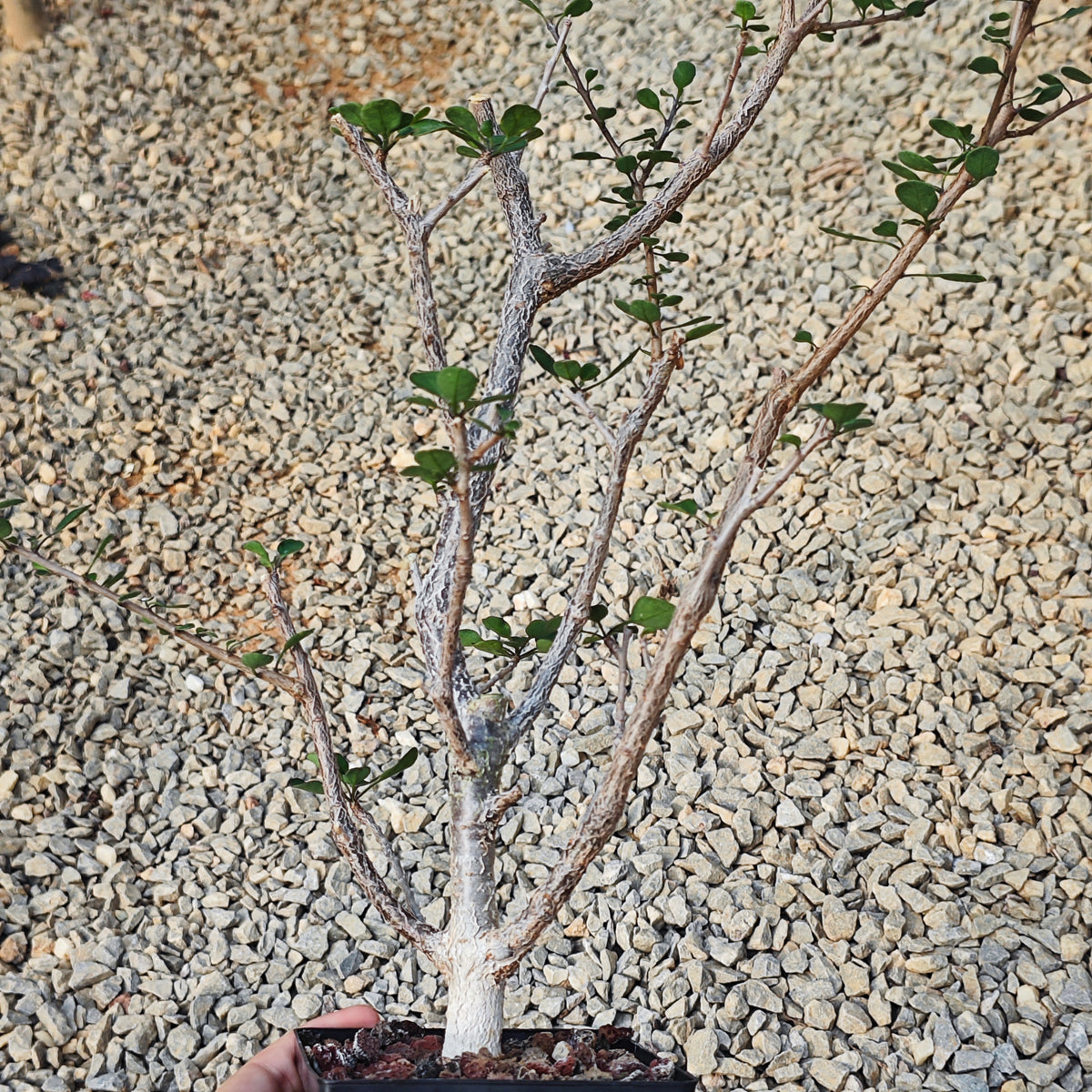
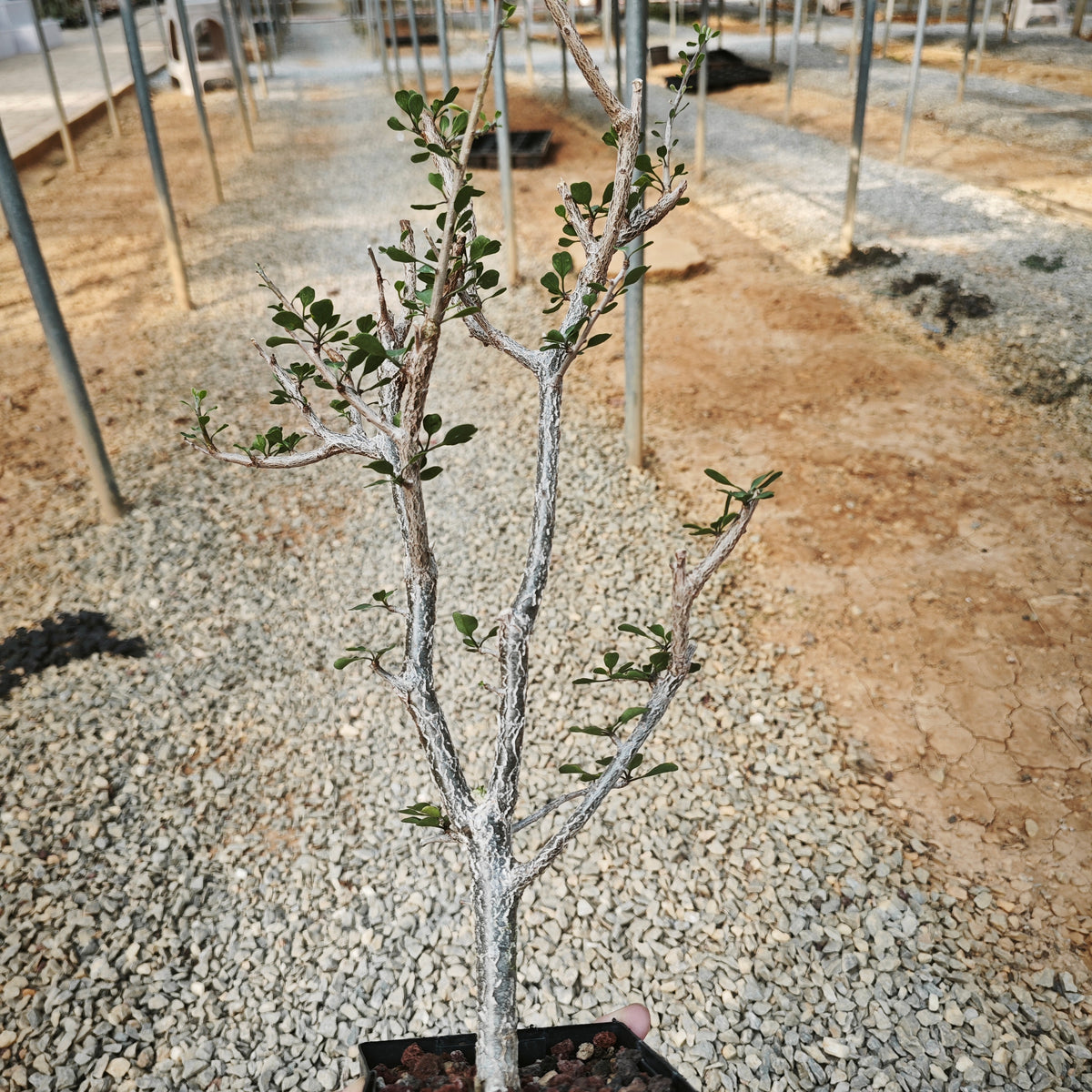
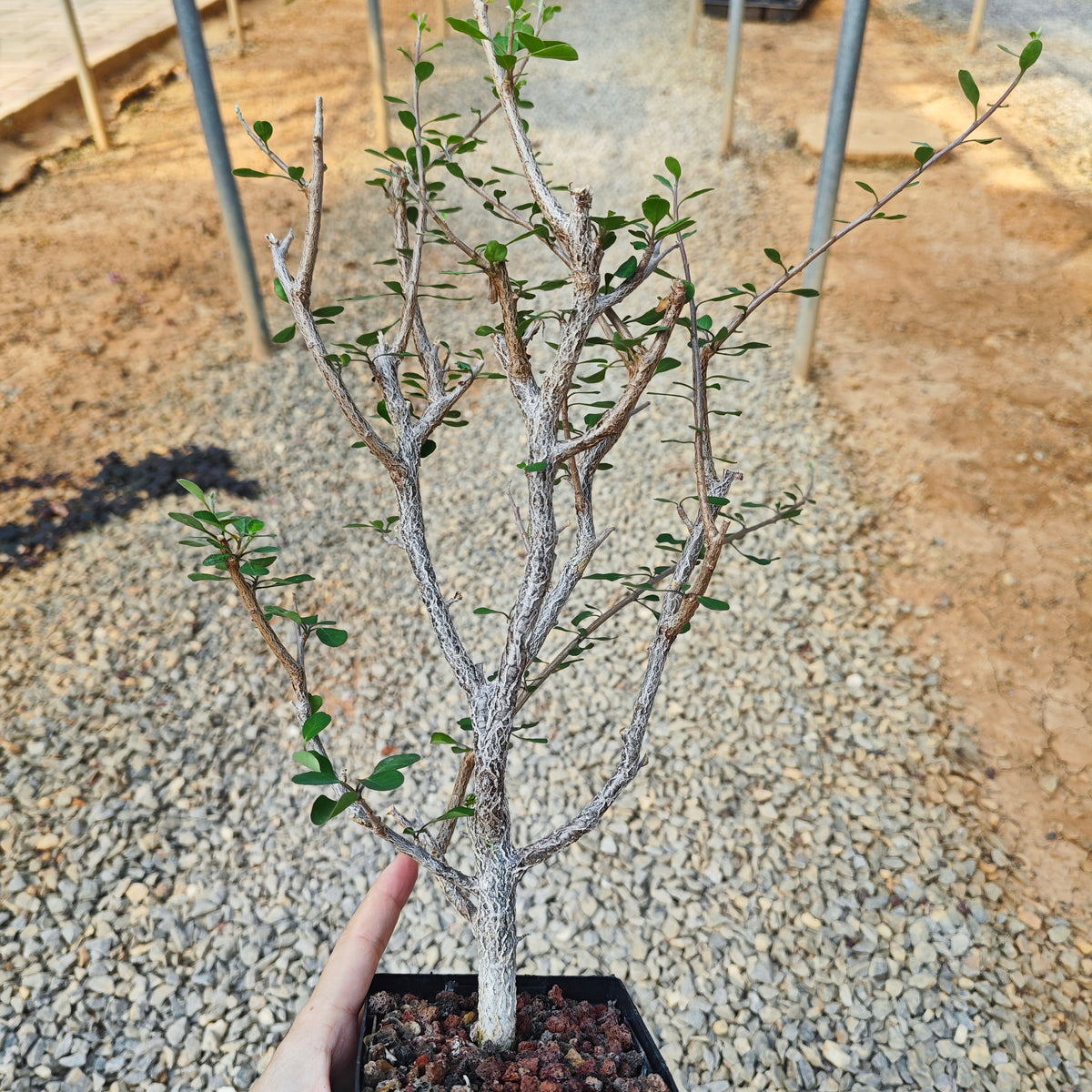
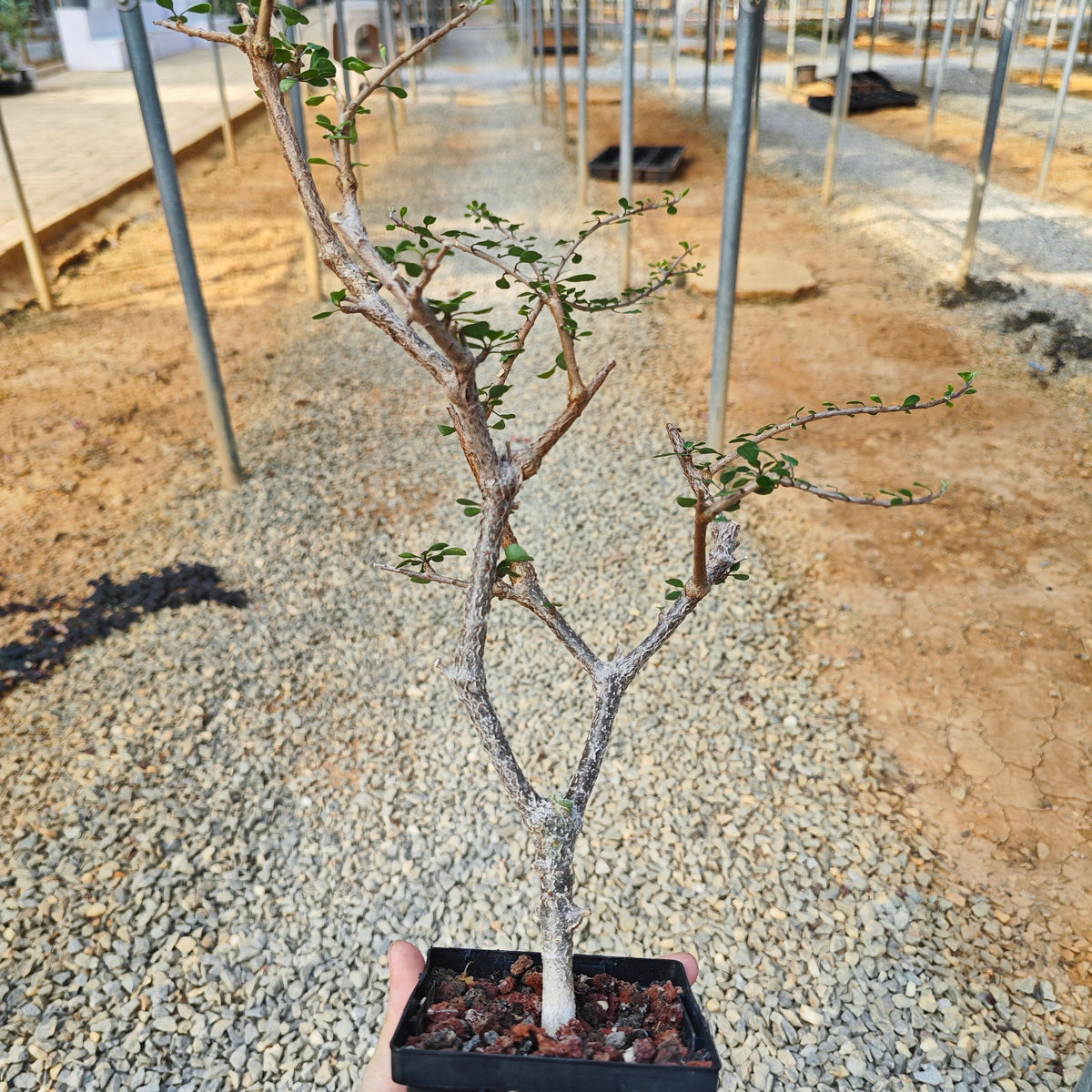
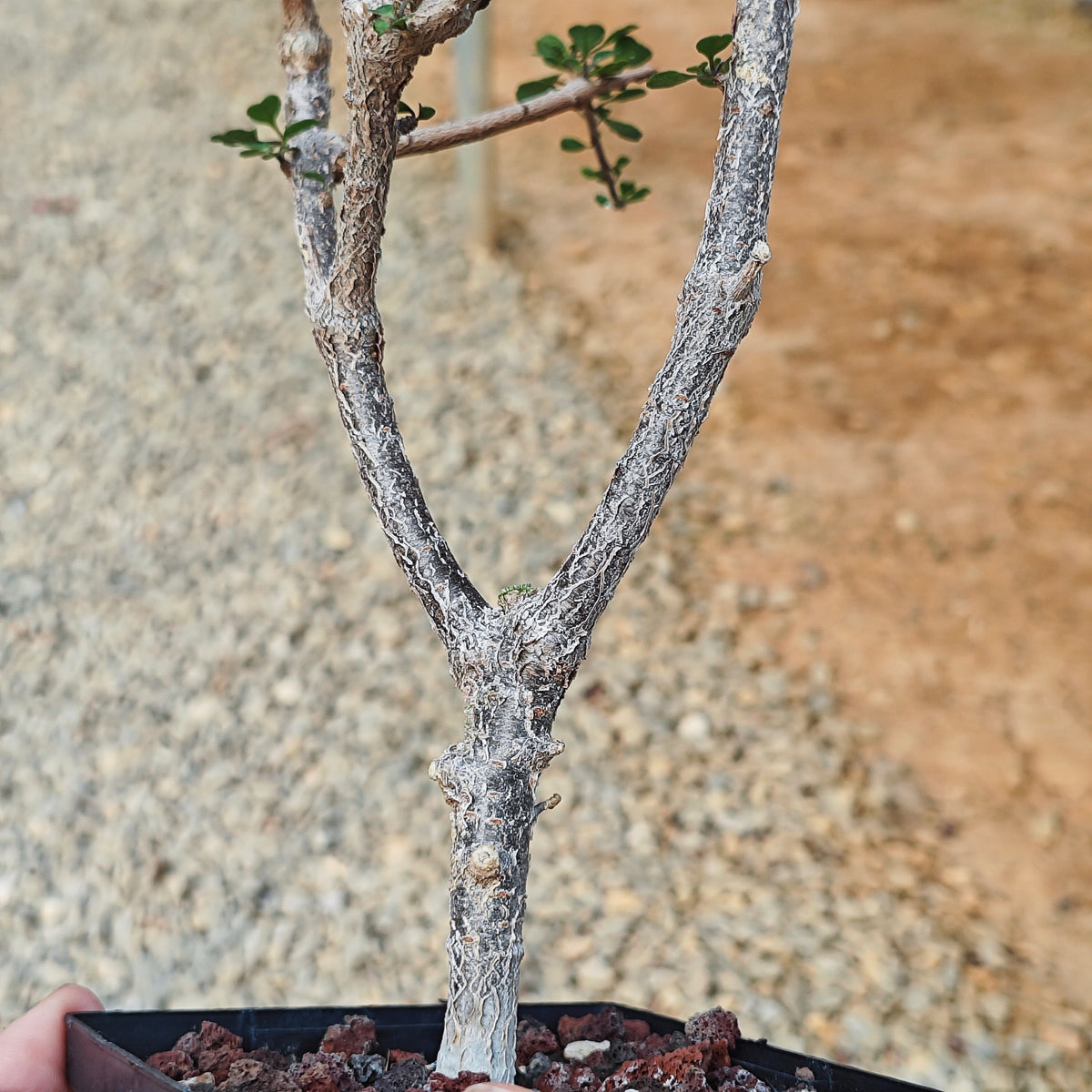
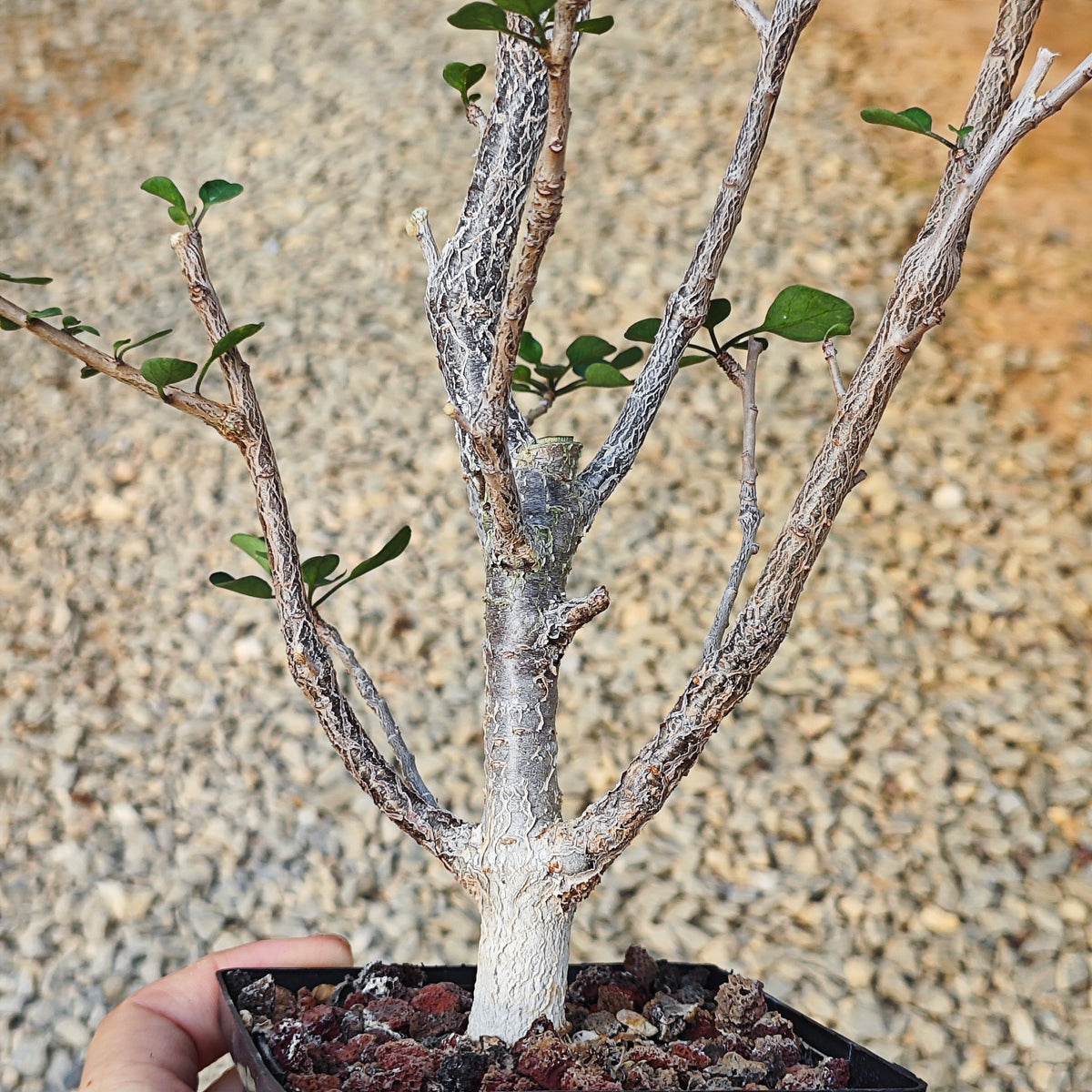
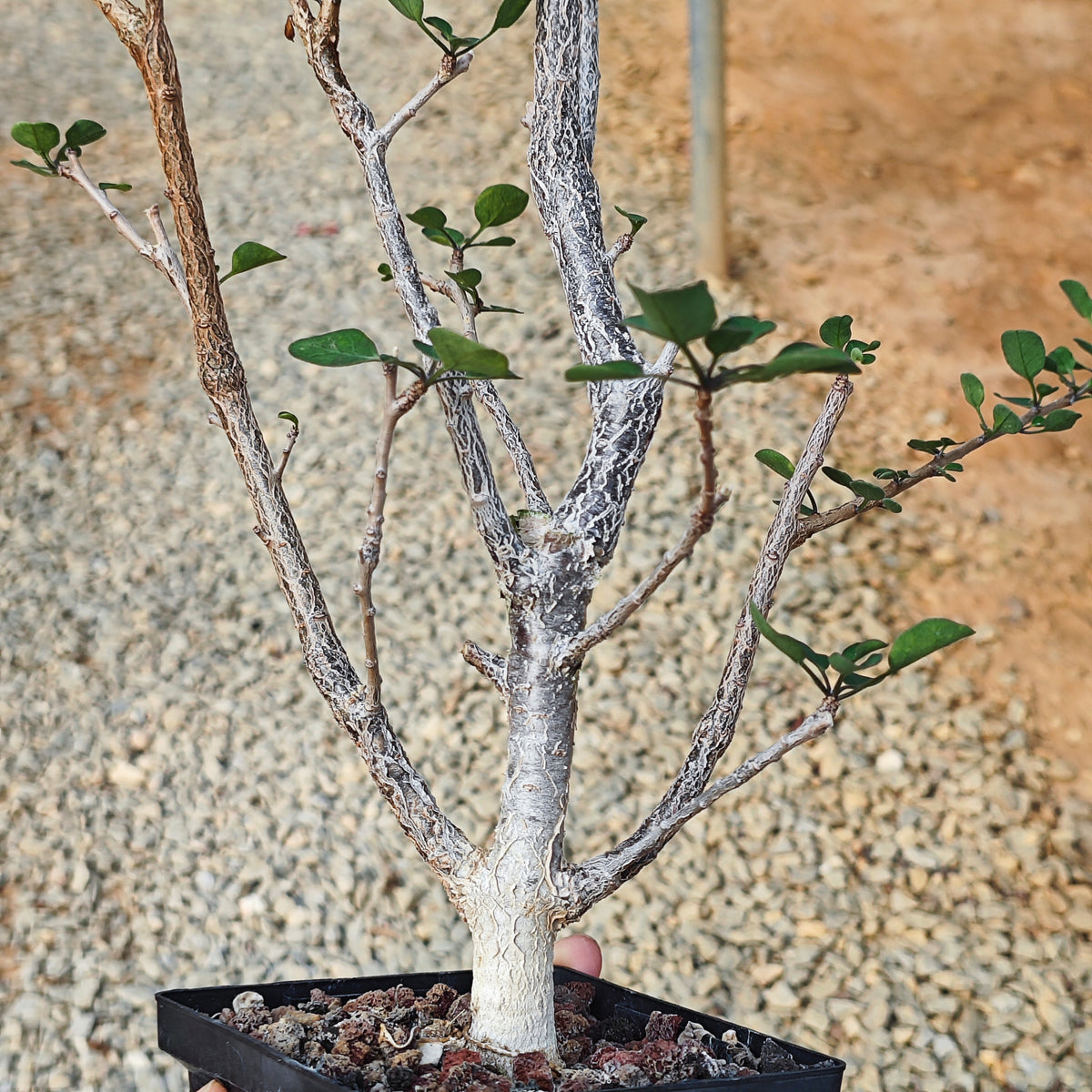
Euphorbia agatheae |WYSIWYG

BotanicalCollector

4.9 · Premium
In Stock · Ships in 48h
$ 50.00 / plant
Attribute Option
Quantity Qty
1
International Logistics
Unbeatable Quality
All The Help You Need
Sales Type Retail, WYSIWYG
Product Size H15-20cm
Weight 0.3 kg
Propagation Method Seed-grown
Genus Euphorbia

Description

Origin

Euphorbia agatheae Bruyns is endemic to a small area of the Eastern Cape of South Africa, with the type locality in the Albany Thicket south of the Great Fish River (Africa). It was described in 2012 by the South African botanist Peter Bruyns, who clarified the species boundaries of the small tuberous Euphorbias of the Albany region. The species is named for Agathe Bruyns, in recognition of a long-running body of collaborative field work in the Eastern Cape.

Habitat

In its natural environment, this species is a specialist of the Albany Thicket and Valley Bushveld, where it grows in shallow pockets of gritty mineral soil over shale and dolerite outcrops at altitudes around 300–700 meters above sea level. The climate is strongly seasonal, with a warm, somewhat dry summer and most rainfall arriving in autumn and spring. Plants sit partly buried in the substrate with the green stem level with the soil, leafing out and flowering after the rains have set in.

Description

Euphorbia agatheae is a small, tuberous South African Euphorbia whose combination of an almost spherical underground tuber, slender annual branches, and paired stipular spines makes it one of the more carefully studied miniatures of the Albany Thicket.

Caudex & Stem: Below ground sits a thick, irregularly globose tuber that functions as the perennial storage organ. From its apex a rosette of slender, decumbent, segmented branches is produced each growing season; these branches die back and abscise at the end of the rains, leaving the tuber bare through the cool dry winter.

Roots: A coarse, woody taproot descends from the tuber into the rocky shale-derived subsoil, with finer laterals that exploit the autumn and spring rains.

Spines & Stipules: The branch segments carry paired short stipular spines at each tubercle, forming neat horn-like pairs along the ribs. The paired-spine pattern, combined with the deciduous branches and a distinct apical flowering structure, separates this species from Euphorbia inconstantia and Euphorbia schinzii in the same region.

Flowers: Yellow-green cyathia are produced at the branch tips in the warm wet months, the characteristic cup-shaped true flowers of the genus, small and tidy against the dark green segments.

Cultivation: Grow in a deep mineral mix that keeps the tuber partially exposed for display, water generously while branches are present, and withhold water almost completely once the branches yellow and drop. Bright light and good air movement are essential, and the plant is frost-tender.

Care Guide

Essential Care Tips for Thriving Plants

Light

Provide partial to full sun. Most plants thrive on direct UV exposure. Avoid placing behind window glass, as it filters out the essential UV rays needed for healthy growth.

Water

Follow the "Soak and Dry" principle. Ensure the top 2–3 cm of soil is bone dry before watering (use the finger test). Reduce frequency in winter, but do not stop watering entirely.

Temperature

The ideal range is 18–35 °C. Maintain temperatures above 5 °C during winter. Please note that temperatures below 0 °C pose a significant risk of plant death.

Humidity

Best kept at 30–50% humidity. Note: High air humidity is not a substitute for root watering. Avoid overly damp areas to prevent root rot or leggy side shoots.

Soil

A loose, well-draining medium is ideal. A mix containing 50–70% grit or mineral soil is recommended for aeration. Outdoor ground planting is also a viable option.

Fertilizer

Fertilize during repotting using Osmocote A2 slow-release fertilizer. Apply sparingly twice a year, or adjust the fertilizer type based on your specific home environment.

Planting Guide

Start Your Green Journey in 4 Steps

01

Unbox & Inspect

Carefully unpack and inspect the plant’s body and roots. We recommend taking photos or videos immediately for your records. Place it in a shaded, well-ventilated spot for 1–2 days to acclimate to its new environment.

02

Potting & Placement

After 24 hours of rest, pot the plant using slightly moistened soil. Place it in a bright, airy location to encourage recovery. Keep away from AC vents or heaters to prevent damage from temperature fluctuations.

03

First Watering

Use water that has sat for at least 24 hours. If using the damp-potting method, wait 2–3 days before the first watering. Ensure a thorough soak until water drains freely from the bottom.

04

Daily Care

Monitor leaf condition and soil moisture daily. If the soil remains damp, increase ventilation rather than watering. Proper airflow is essential to prevent root rot and ensure lasting health.