Yucca baccata ssp. baccata

BotanicalCollector

4.9 · Premium
In Stock · Ships in 48h
$ 20.00 / plant
Attribute Option
Quantity Qty
1
Sales Type Retail, Same Batch
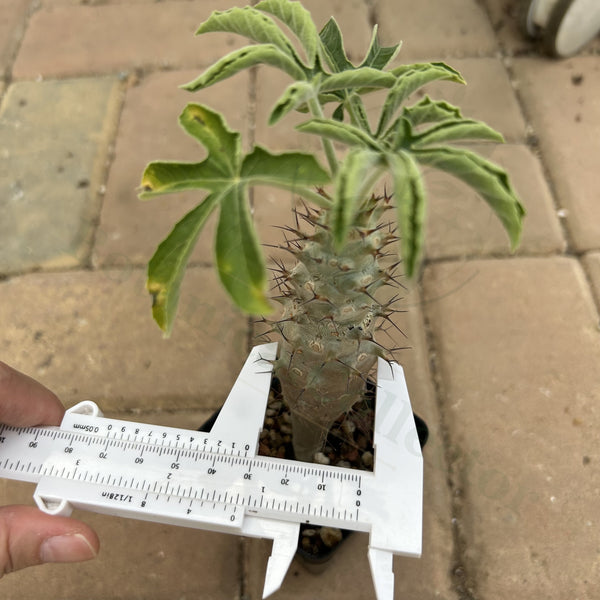
Product Size W1.5-2cm
Weight 0.2 kg
Propagation Method Seed-grown
Genus Yucca

Description

Geographic & Climate

  • Geographic Coordinates: 29°00'N to 39°30'N, 103°00'W to 117°00'W (Type Locality: Rio Grande Valley, Socorro County, New Mexico ~ 34°03'N, 106°53'W).

  • Climate Classification: Cold Semi-Arid (Köppen BSk) / Cold Desert (BWk). Demonstrates extreme frost hardiness (tolerating temperatures down to -20°C / -4°F) and extreme drought endurance.

  • Habitat Characteristics: Elevation ranges from 400 m to 2,500 m (1,300 to 8,200 ft). Inhabits dry, well-draining, coarse gravelly, rocky limestone, and sandy soils within pinyon-juniper woodlands, sagebrush scrub, desert grasslands, and rocky canyon slopes. Characterized by low, erratic rainfall and light-to-moderate winter snowfall at higher elevations.

Botanical Morphology

  • Diagnostic Features:

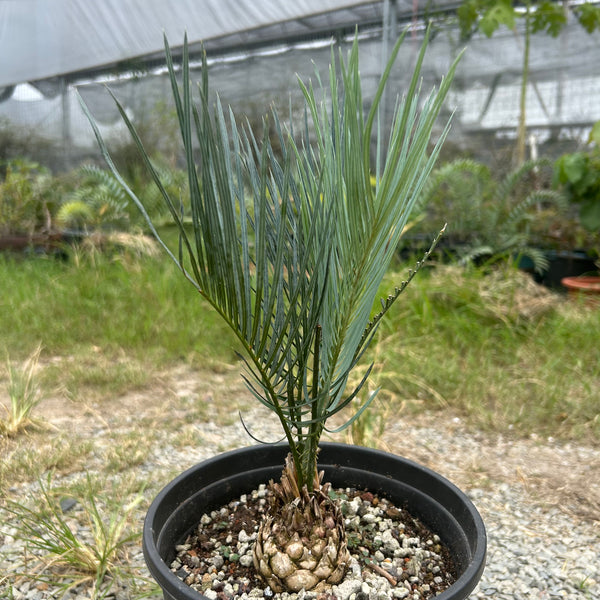
    • Growth Habit: Strictly acaulescent (trunkless) or with very short, subterranean-to-aerial stems (< 0.3 m tall), forming low, sprawling, ground-hugging rosettes.

    • Leaf Margins: Margin edges feature coarse, thick, curling brown-tinged fibers that strip off naturally (a key diagnostic character separating it from the fine, thread-like filiferous margins of ssp. brevifolia / Y. arizonica).

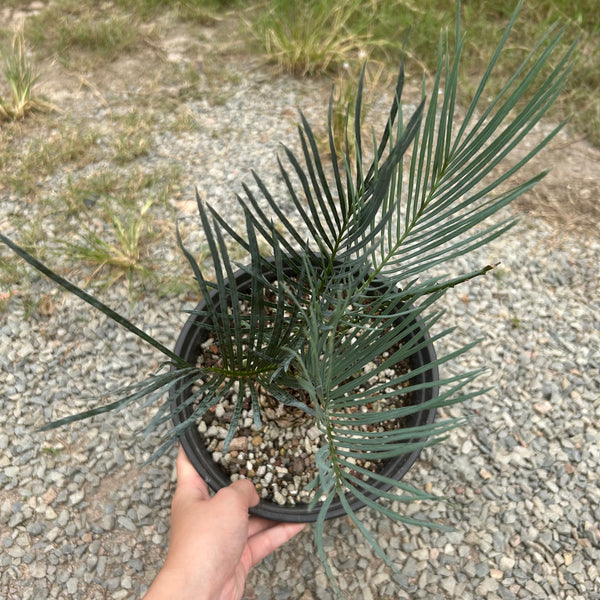
    • Foliage: Rigid, boat-shaped (concavo-convex), sword-like leaves measuring 50–75 cm long and 2–6 cm wide, glaucous blue-green to dark green with a stout apical spine.

    • Inflorescence & Fruit: Inflorescence stalk (peduncle 0.6–0.8 m) remains nested mostly inside or extending just slightly beyond the rosette crown. Produces large, fleshy, cylindrical, indehiscent banana-shaped berries (8–18 cm long) that turn purplish-red when mature.

  • Growth Habit: Extremely slow-growing perennial succulent. Slowly produces basal offsets to form small, spreading clumps over time. Enters dormancy during extreme winter freeze or peak summer drought. Mature size ranges from 0.5–1 m in height and 1–1.5 m in rosette diameter.

History & Etymology

  • Etymology:

    • Yucca: Derived from the Carib word yuca, originally designating cassava (Manihot esculenta), erroneously applied to this genus by Carl Linnaeus.

    • baccata: Latin adjective meaning "berry-bearing" or "with berries," referring to its distinctive fleshy, non-dehiscent fruit.

  • Historical Context: Officially described in 1855 by German-American botanist George Engelmann during the United States and Mexican Boundary Survey. Historically served as an indispensable natural resource for Indigenous Peoples of the American Southwest (Navajo, Apache, Ancestral Puebloans), who consumed the sweet, roasted banana-like fruit, processed the tough leaf fibers into sandals and ropes, and used the saponin-rich roots (datil) for soap.

Care Guide

Essential Care Tips for Thriving Plants

Light

Provide partial to full sun. Most plants thrive on direct UV exposure. Avoid placing behind window glass, as it filters out the essential UV rays needed for healthy growth.

Water

Follow the "Soak and Dry" principle. Ensure the top 2–3 cm of soil is bone dry before watering (use the finger test). Reduce frequency in winter, but do not stop watering entirely.

Temperature

The ideal range is 18–35 °C. Maintain temperatures above 5 °C during winter. Please note that temperatures below 0 °C pose a significant risk of plant death.

Humidity

Best kept at 30–50% humidity. Note: High air humidity is not a substitute for root watering. Avoid overly damp areas to prevent root rot or leggy side shoots.

Soil

A loose, well-draining medium is ideal. A mix containing 50–70% grit or mineral soil is recommended for aeration. Outdoor ground planting is also a viable option.

Fertilizer

Fertilize during repotting using Osmocote A2 slow-release fertilizer. Apply sparingly twice a year, or adjust the fertilizer type based on your specific home environment.

Planting Guide

Start Your Green Journey in 4 Steps

01

Unbox & Inspect

Carefully unpack and inspect the plant’s body and roots. We recommend taking photos or videos immediately for your records. Place it in a shaded, well-ventilated spot for 1–2 days to acclimate to its new environment.

02

Potting & Placement

After 24 hours of rest, pot the plant using slightly moistened soil. Place it in a bright, airy location to encourage recovery. Keep away from AC vents or heaters to prevent damage from temperature fluctuations.

03

First Watering

Use water that has sat for at least 24 hours. If using the damp-potting method, wait 2–3 days before the first watering. Ensure a thorough soak until water drains freely from the bottom.

04

Daily Care

Monitor leaf condition and soil moisture daily. If the soil remains damp, increase ventilation rather than watering. Proper airflow is essential to prevent root rot and ensure lasting health.