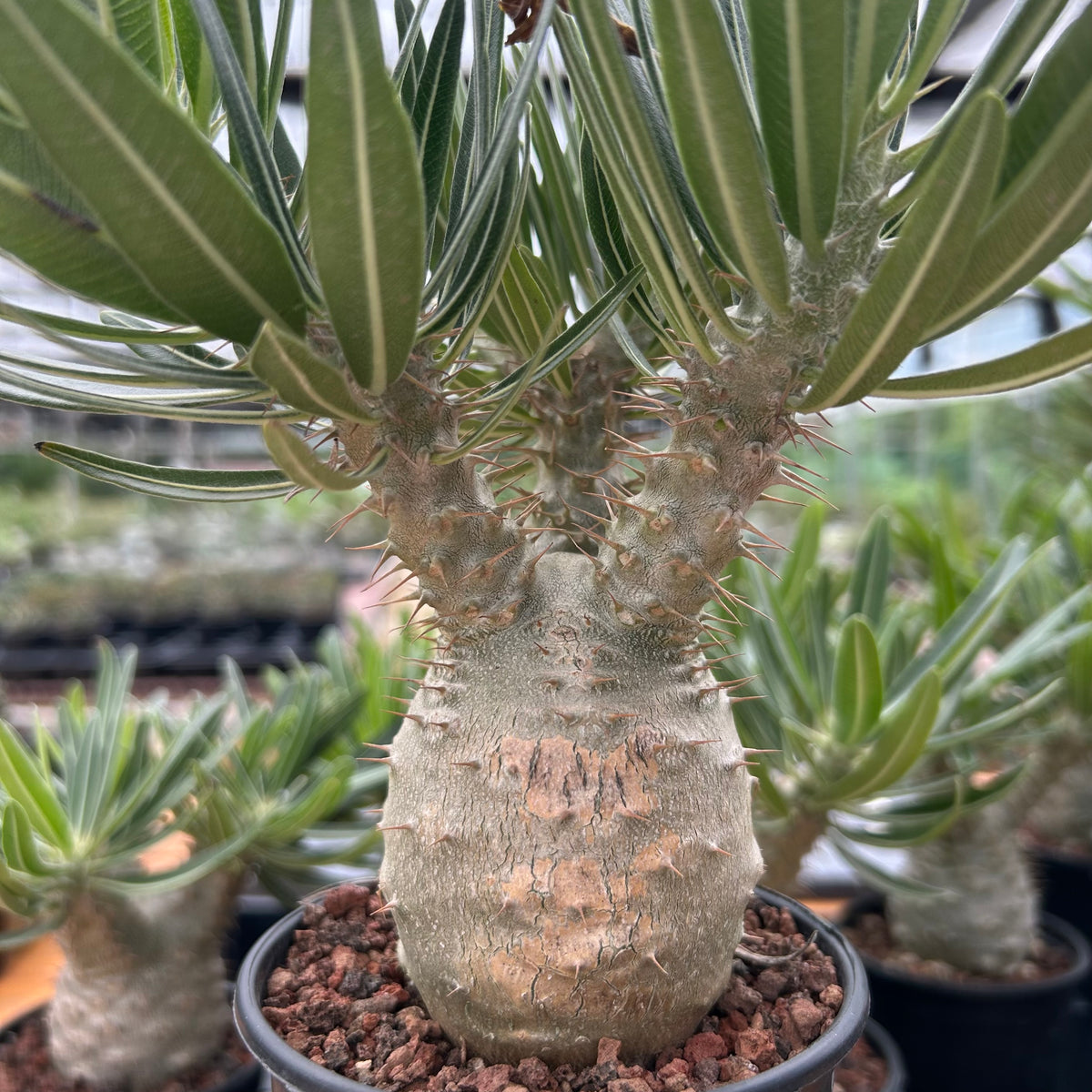
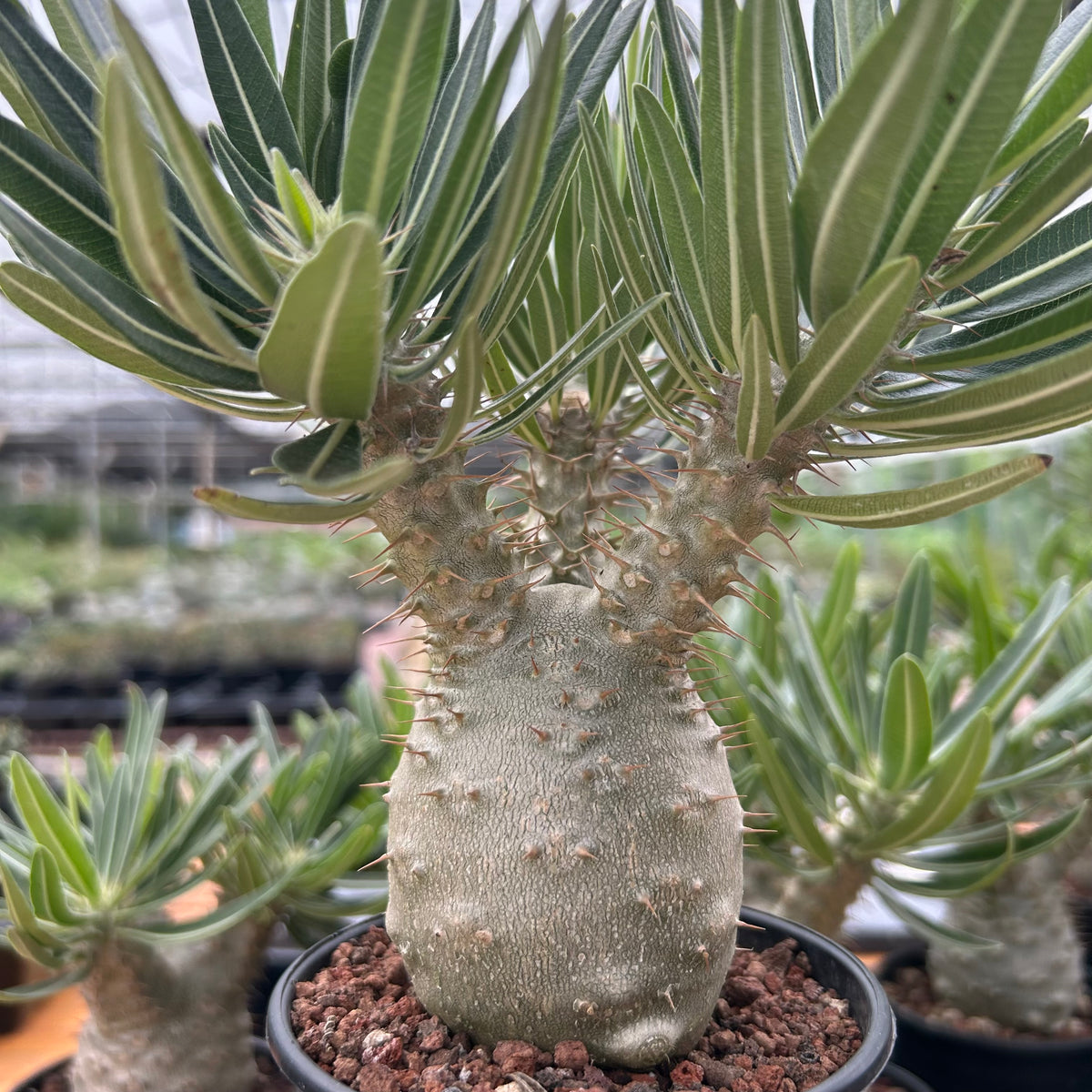
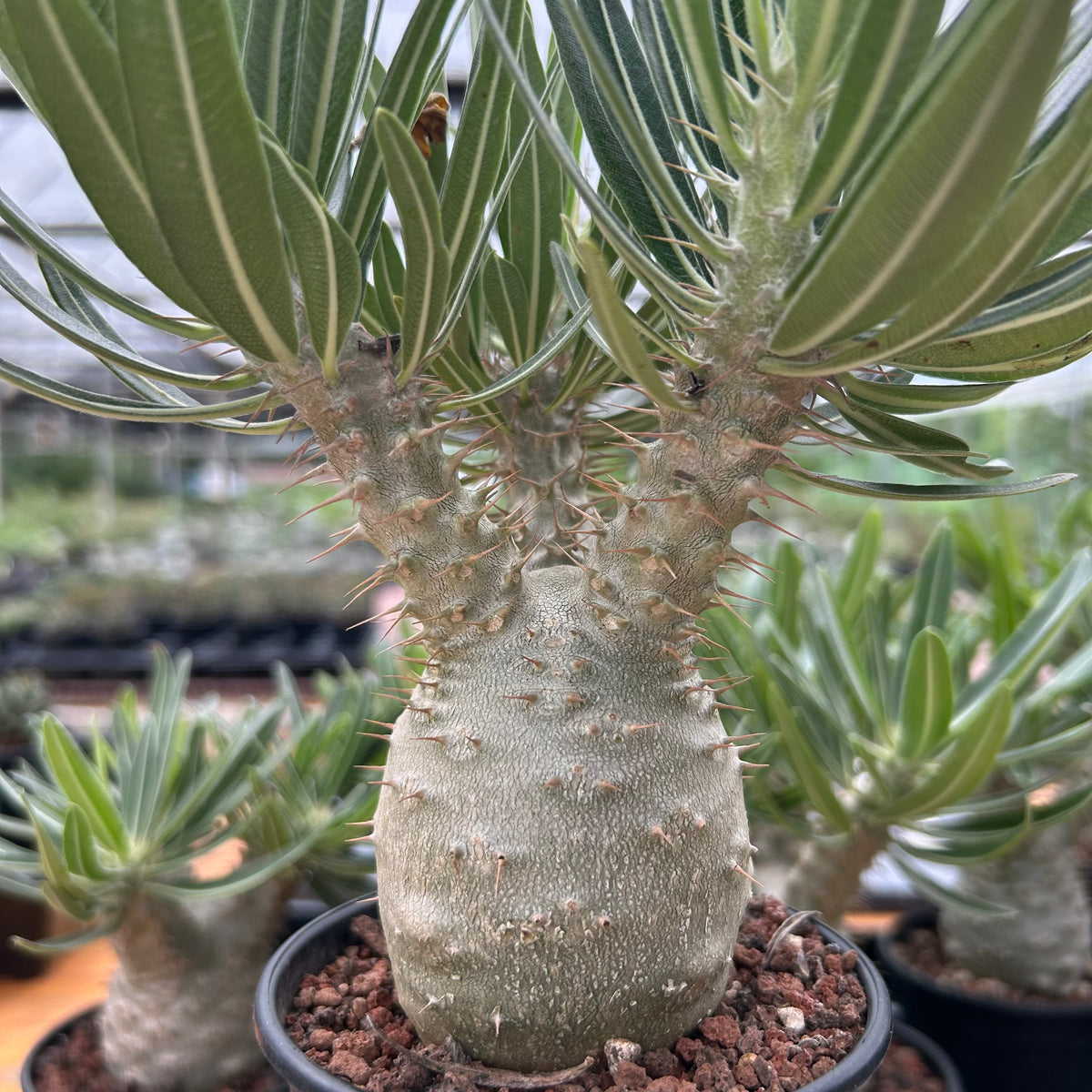
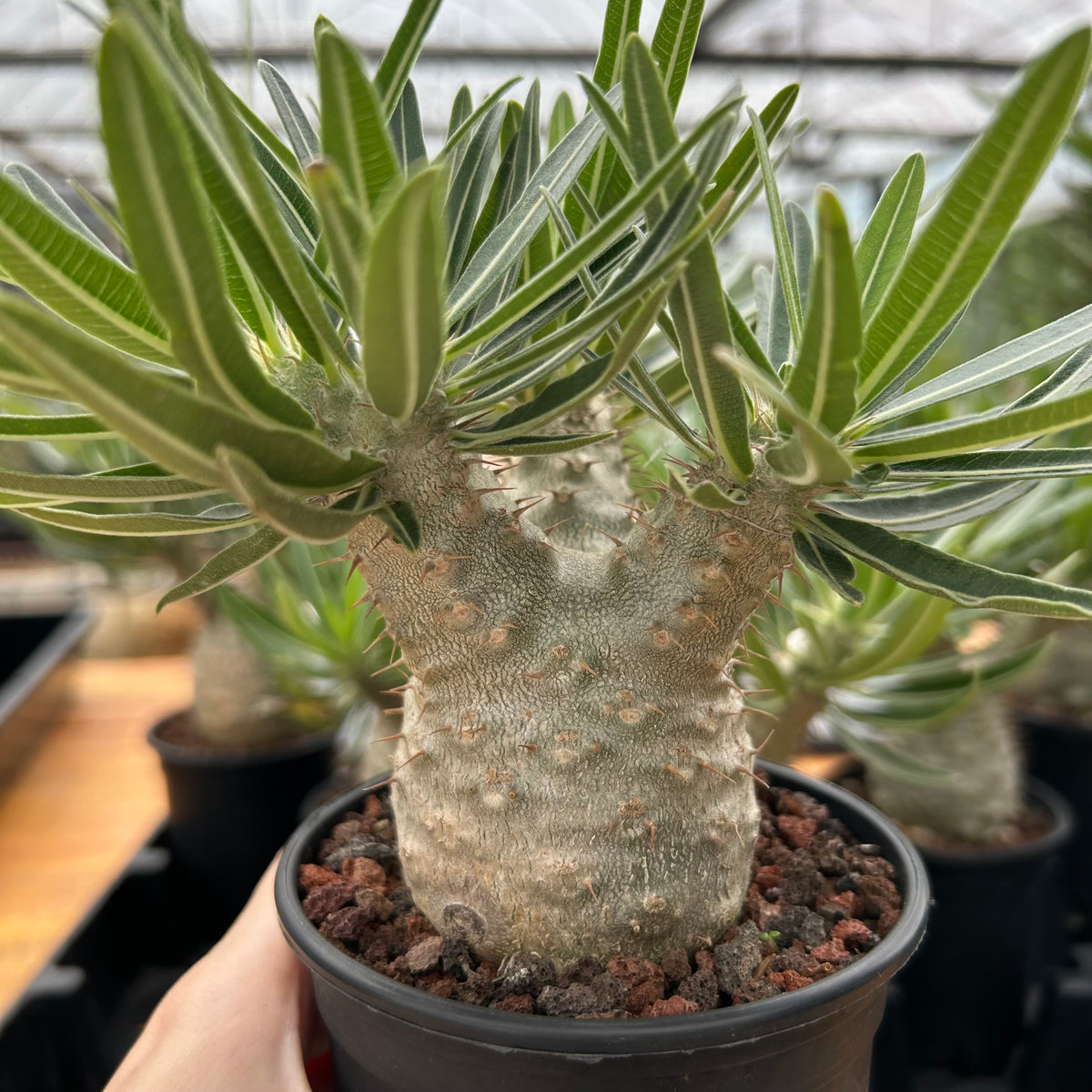
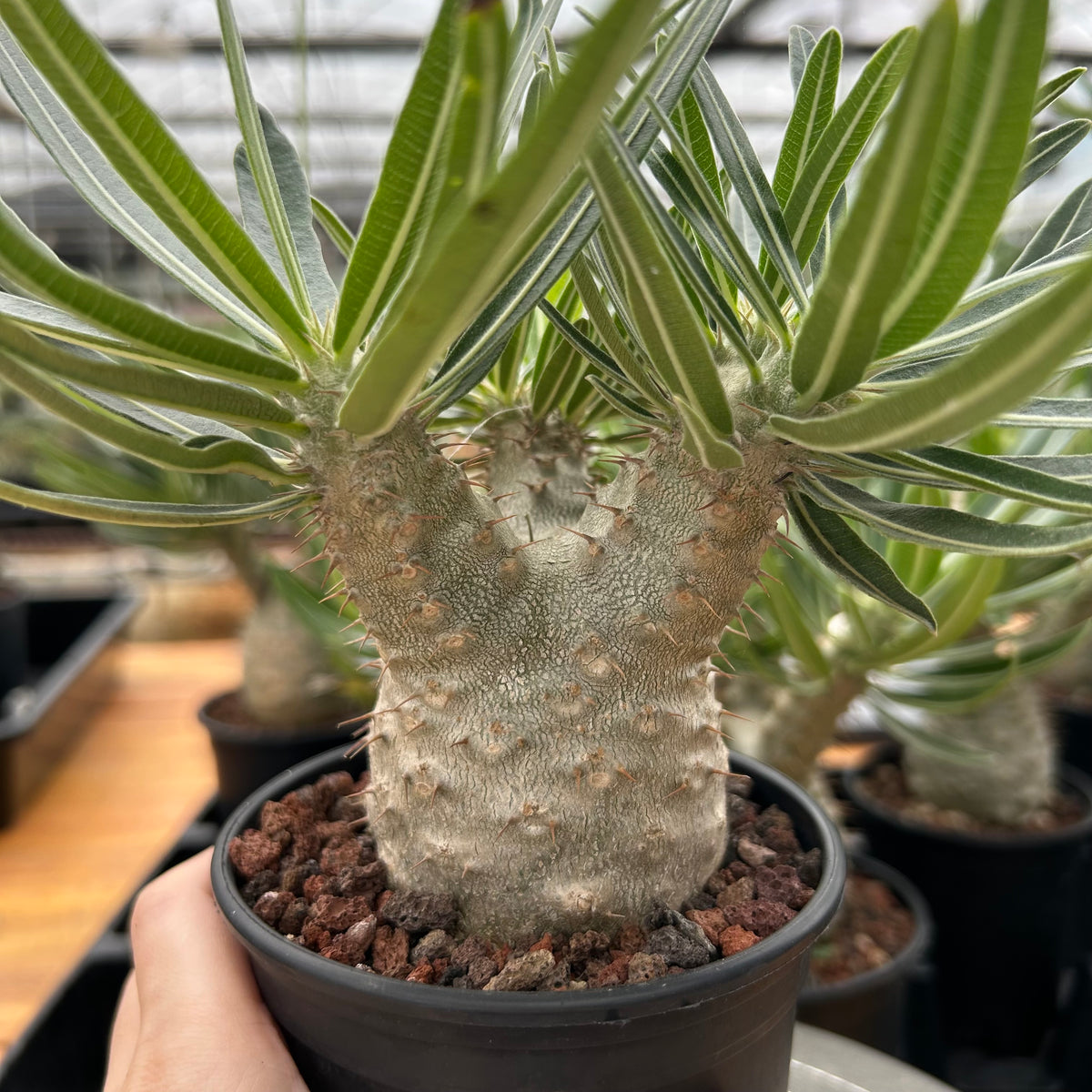
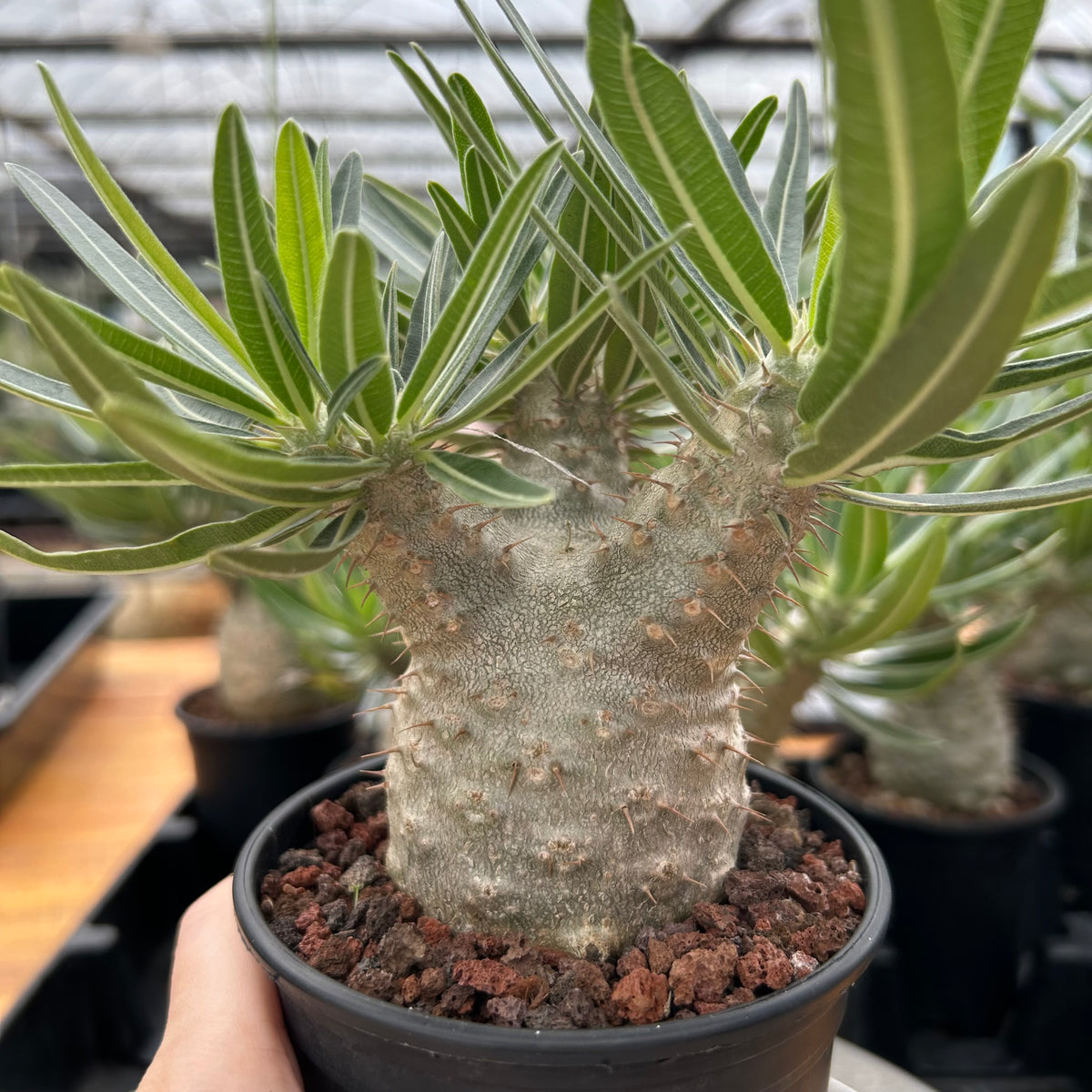
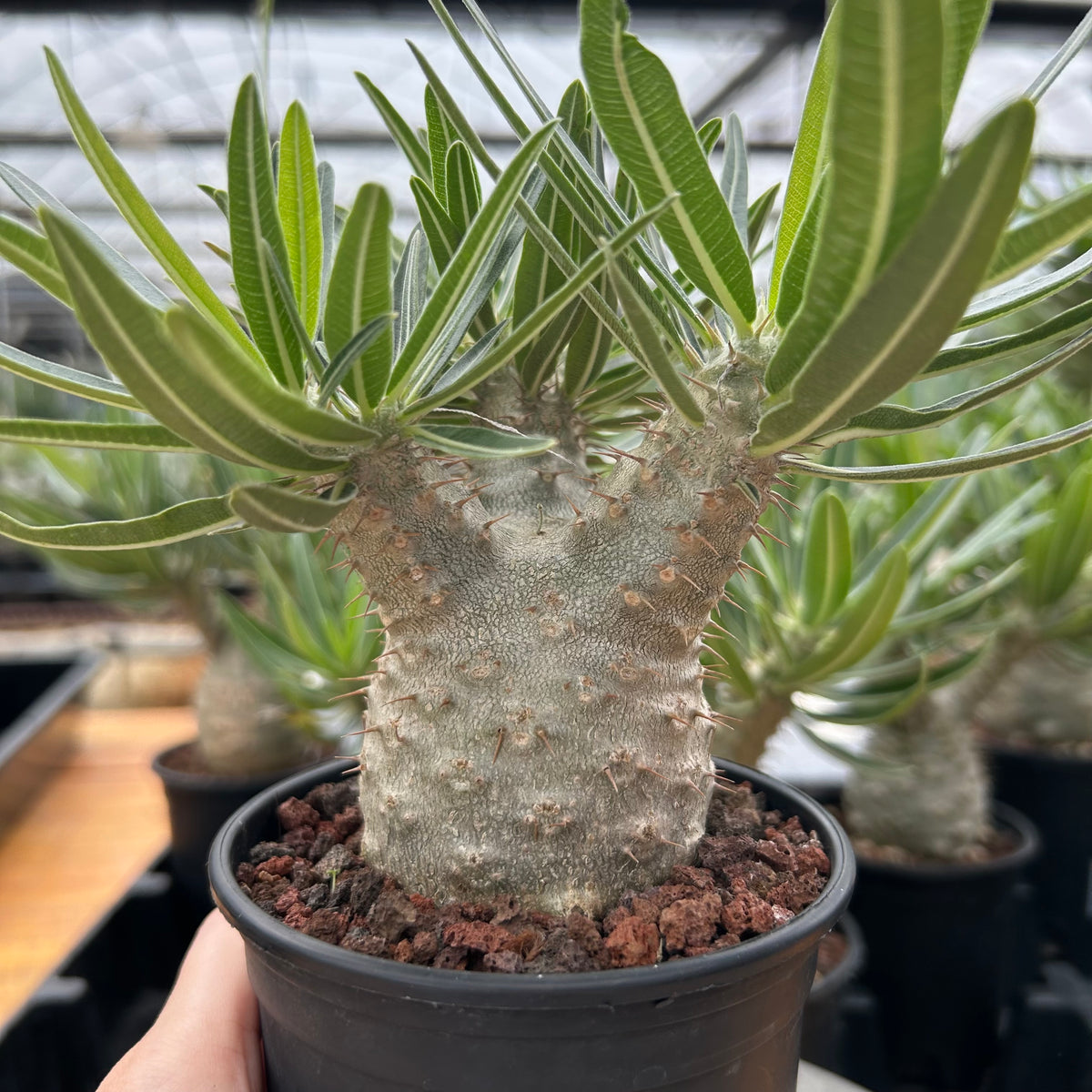
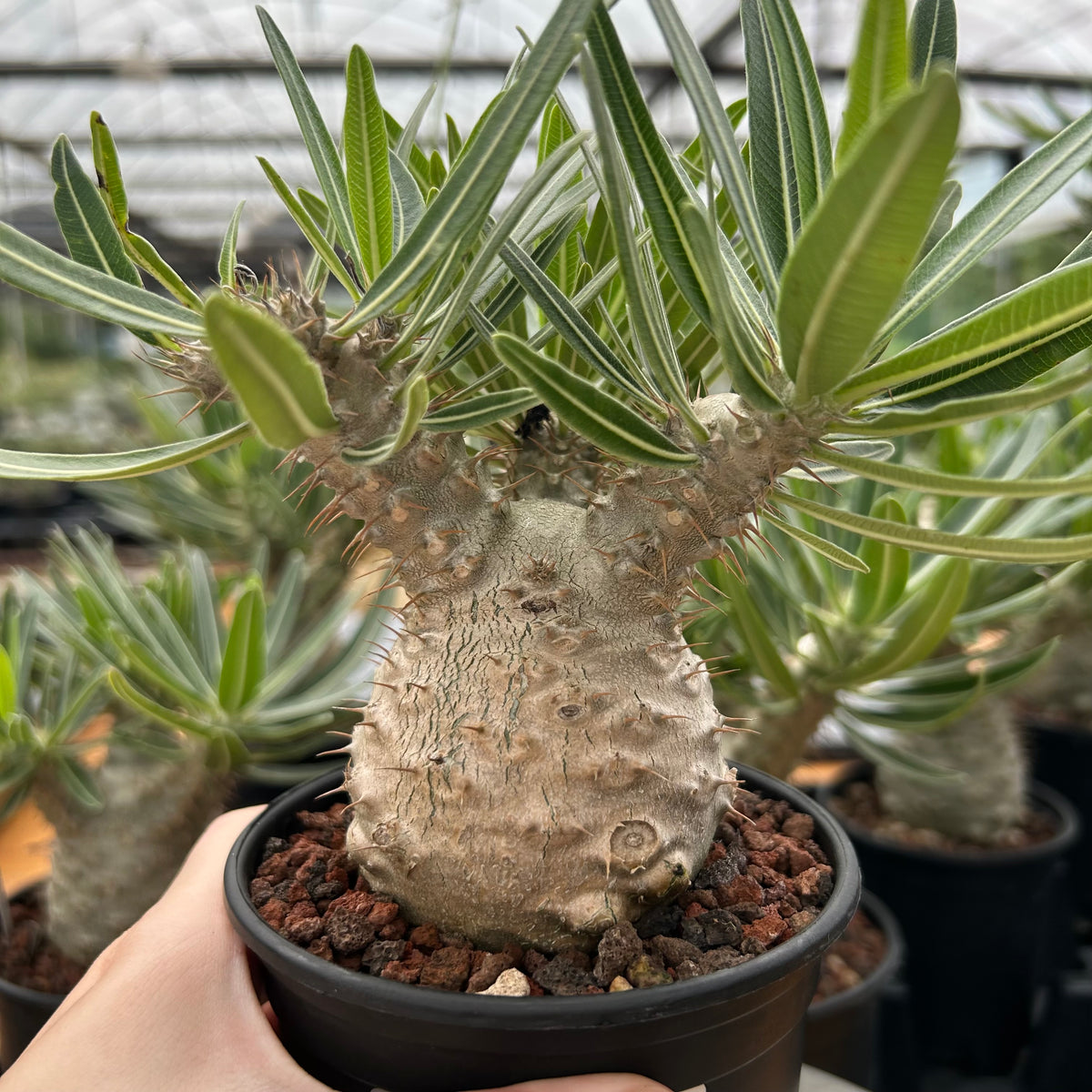
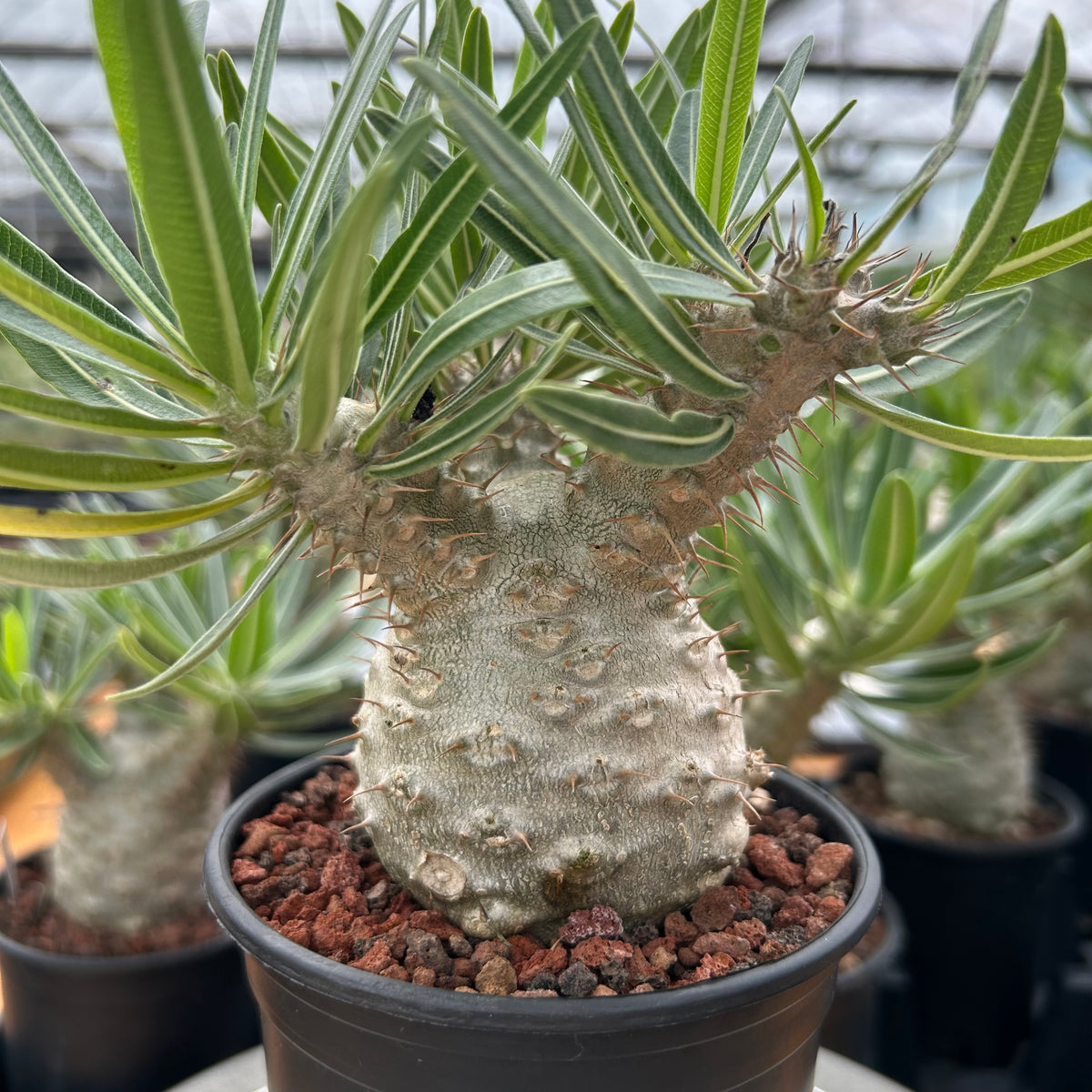
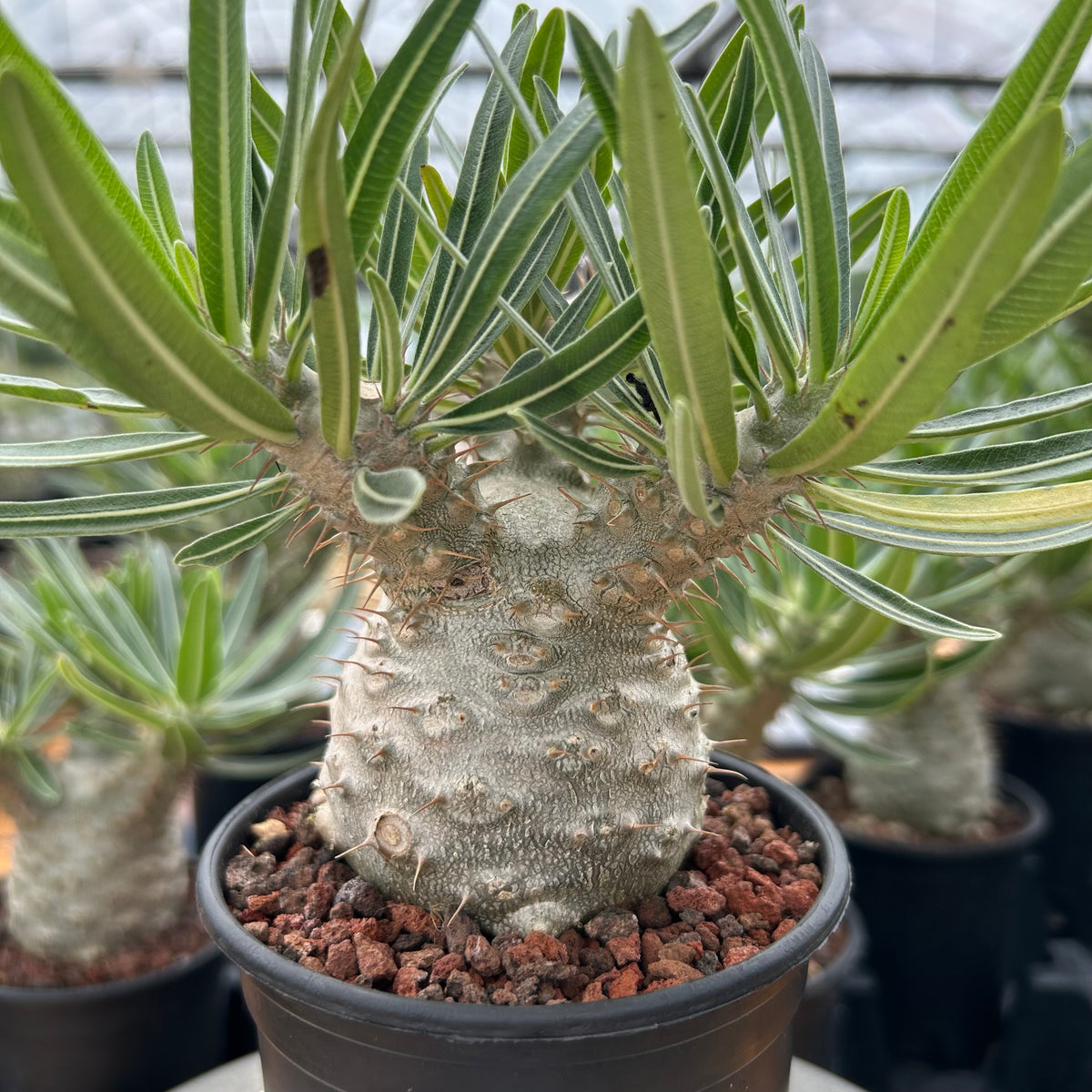
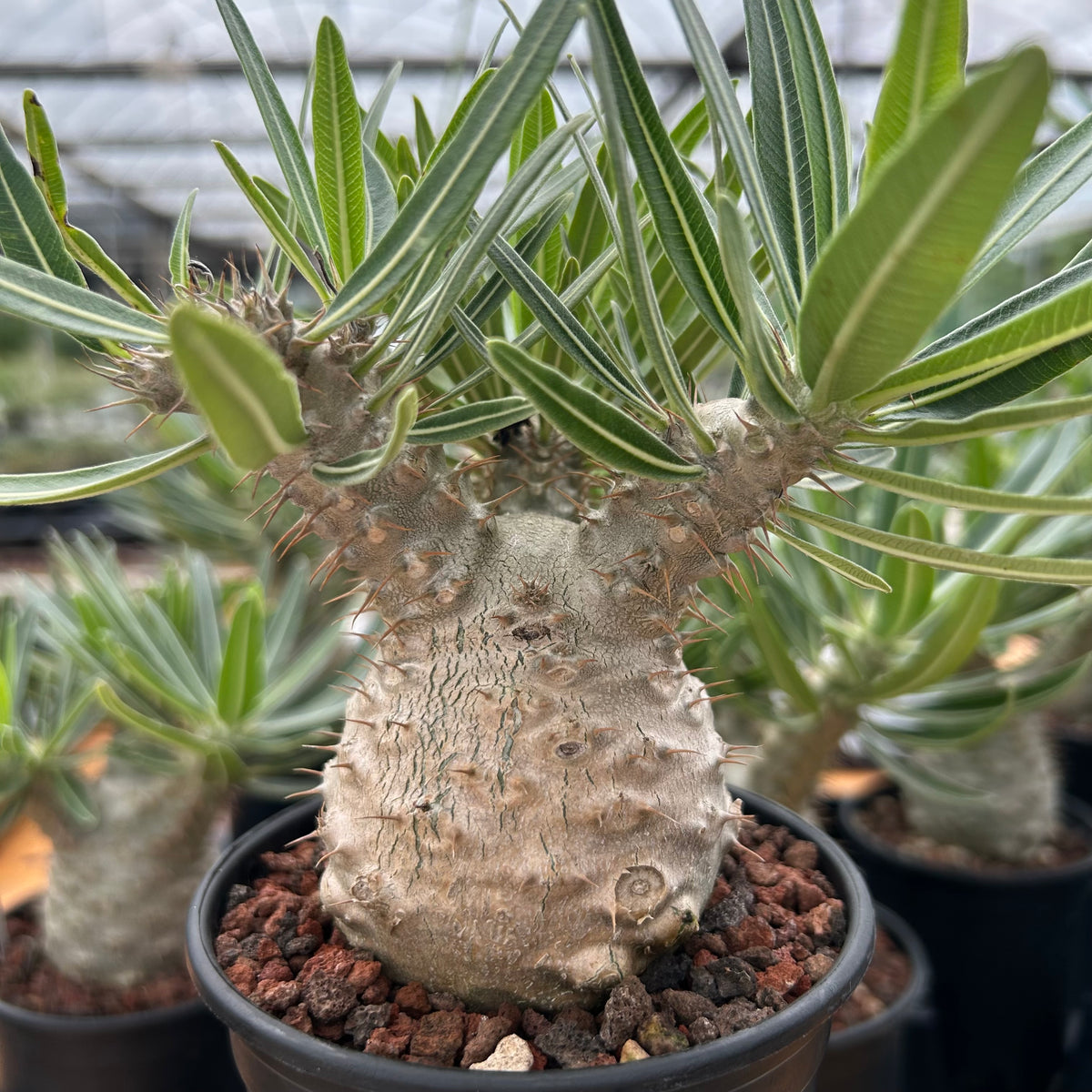
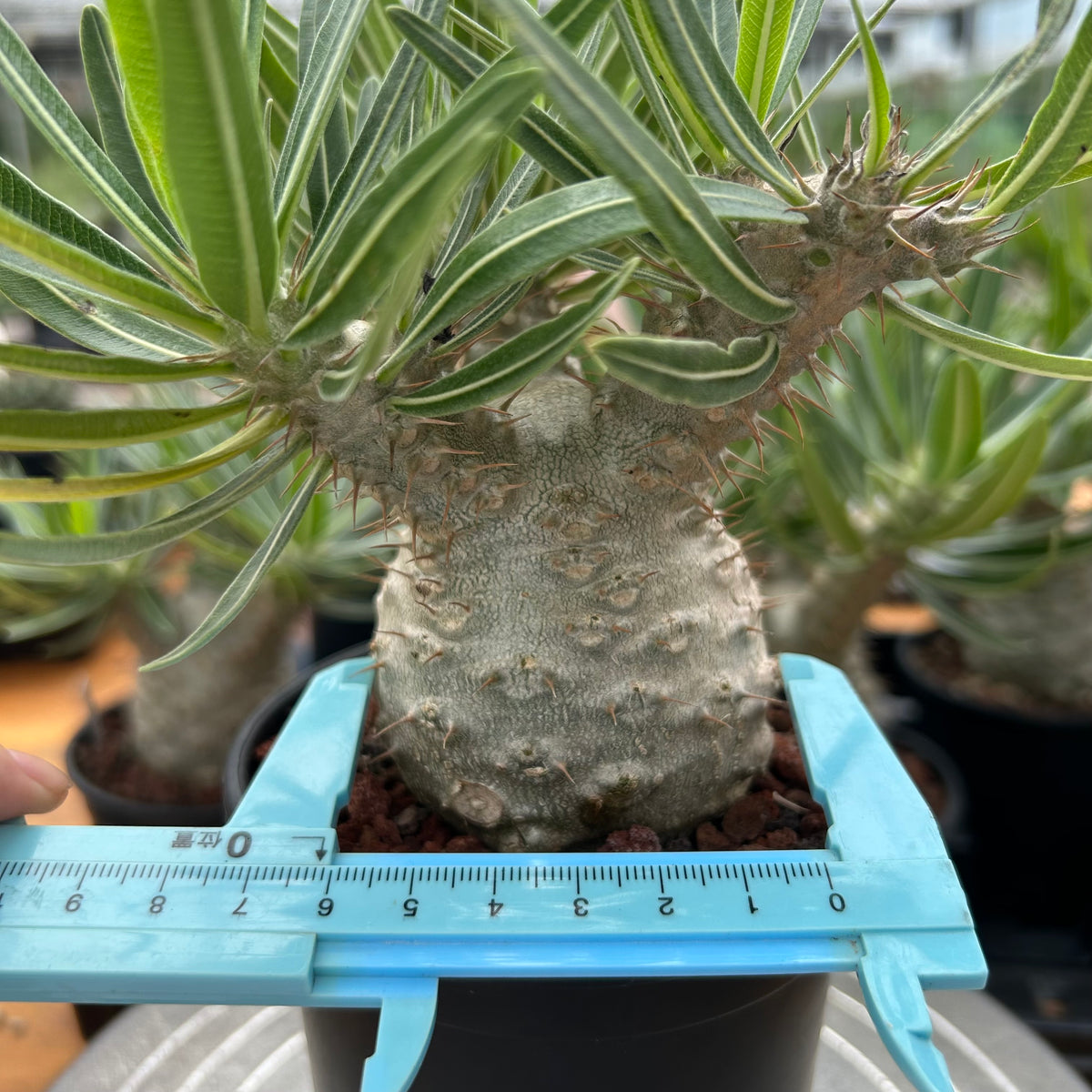
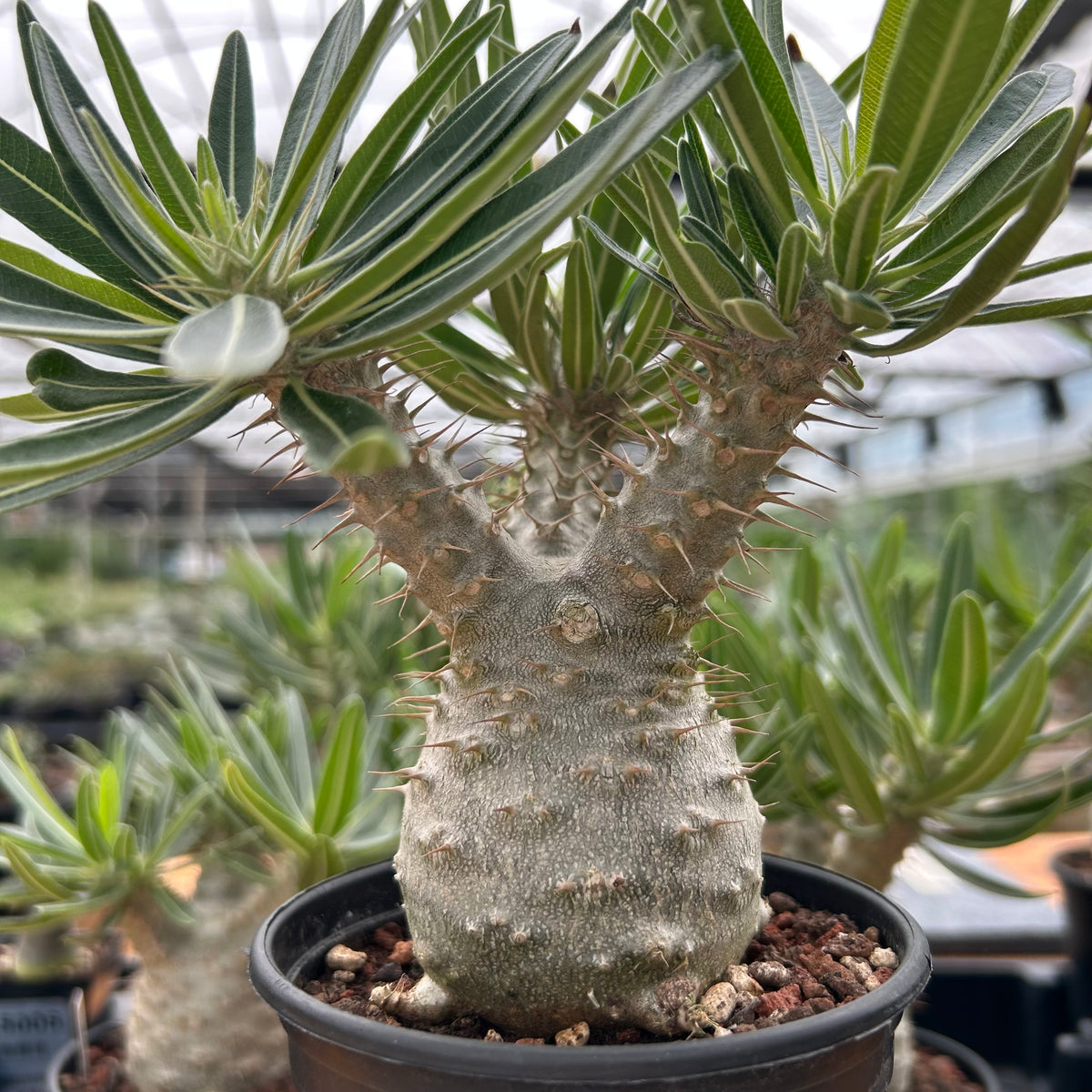
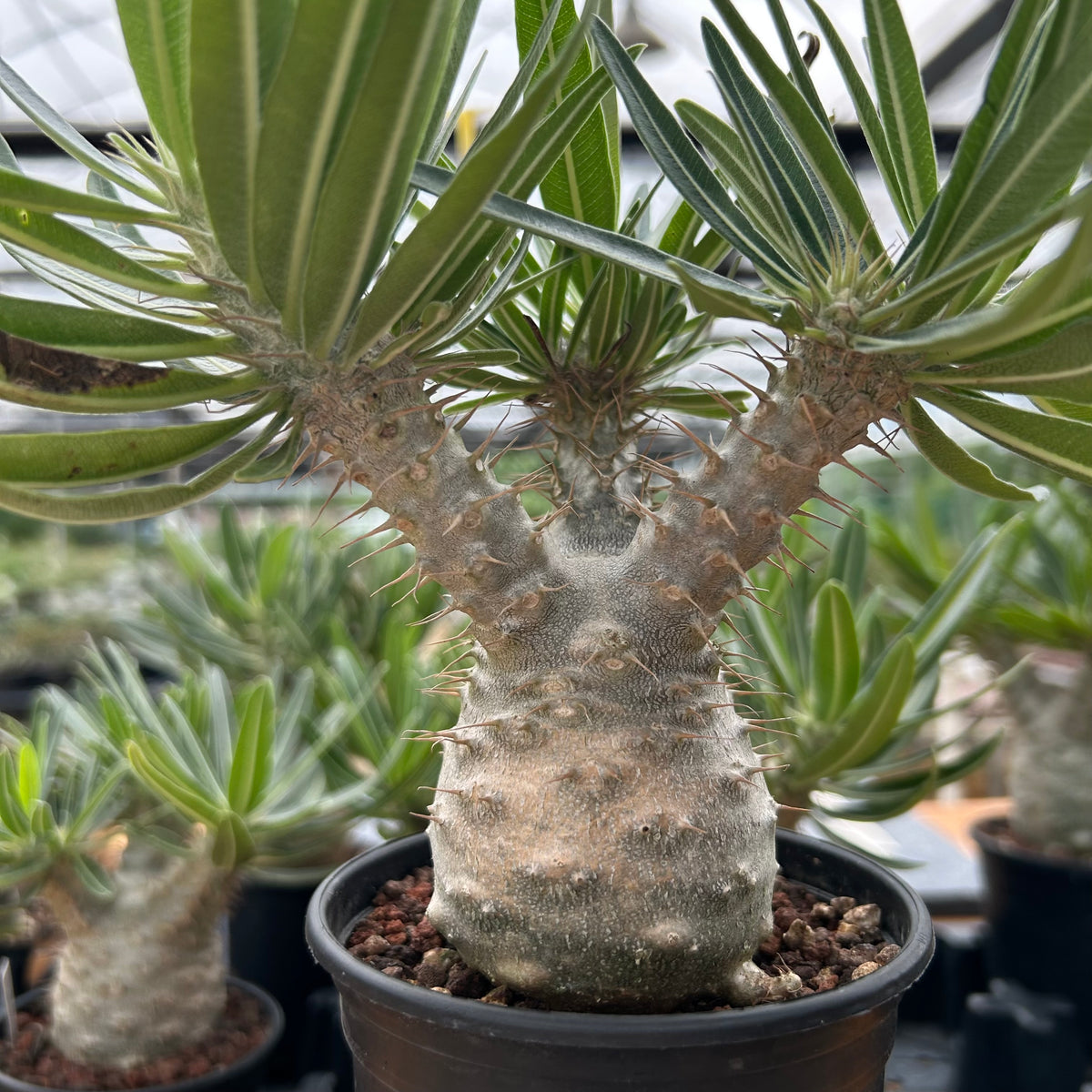
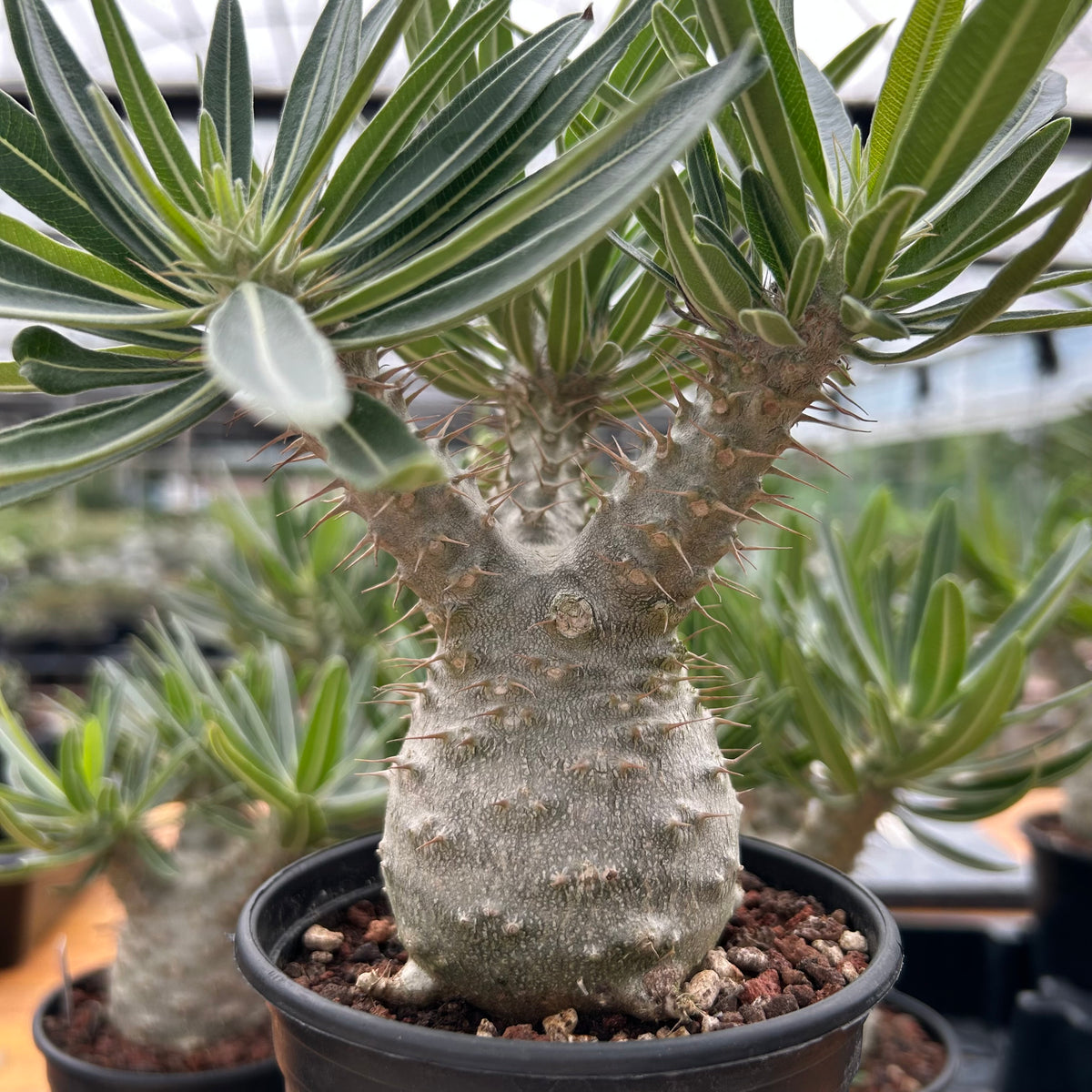
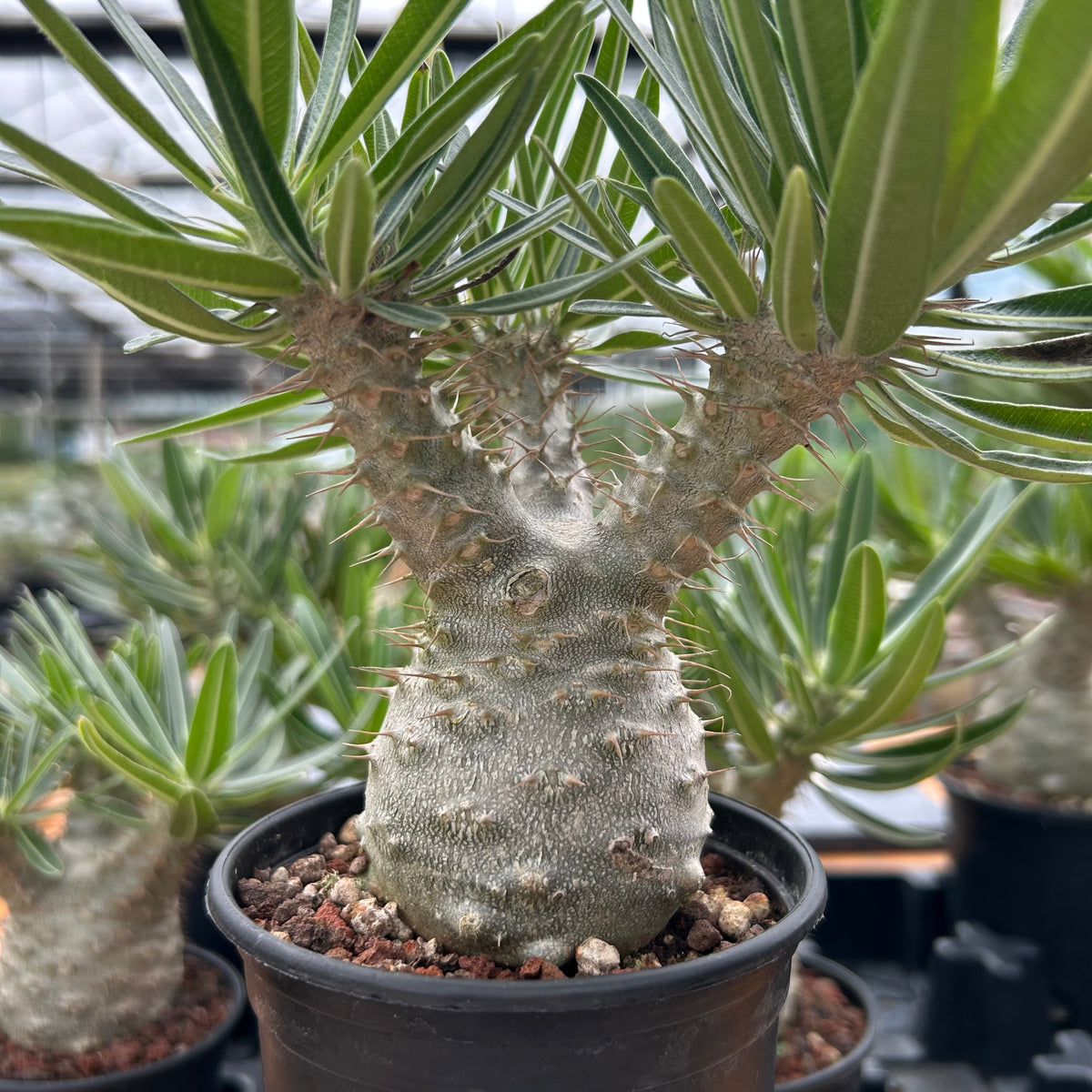
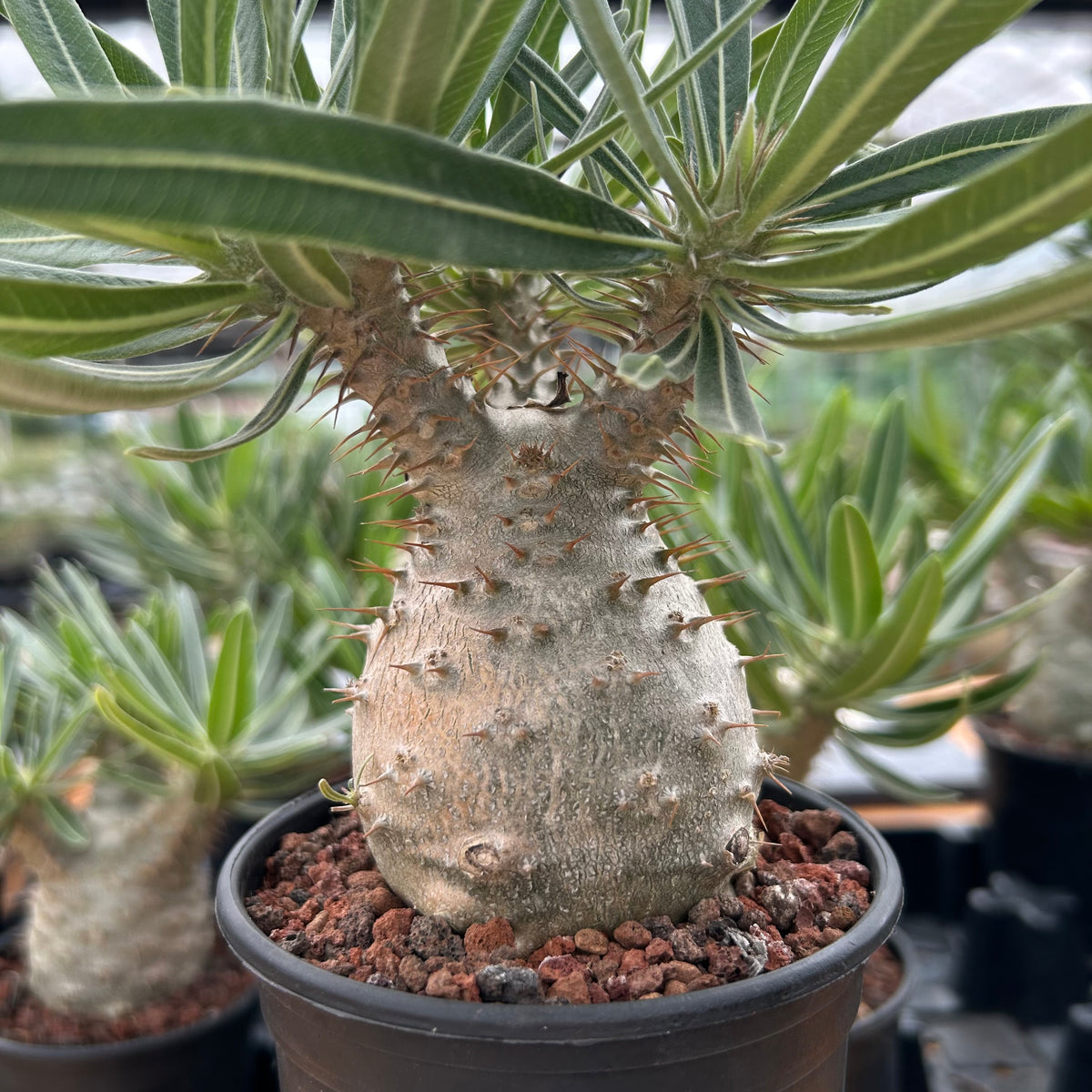
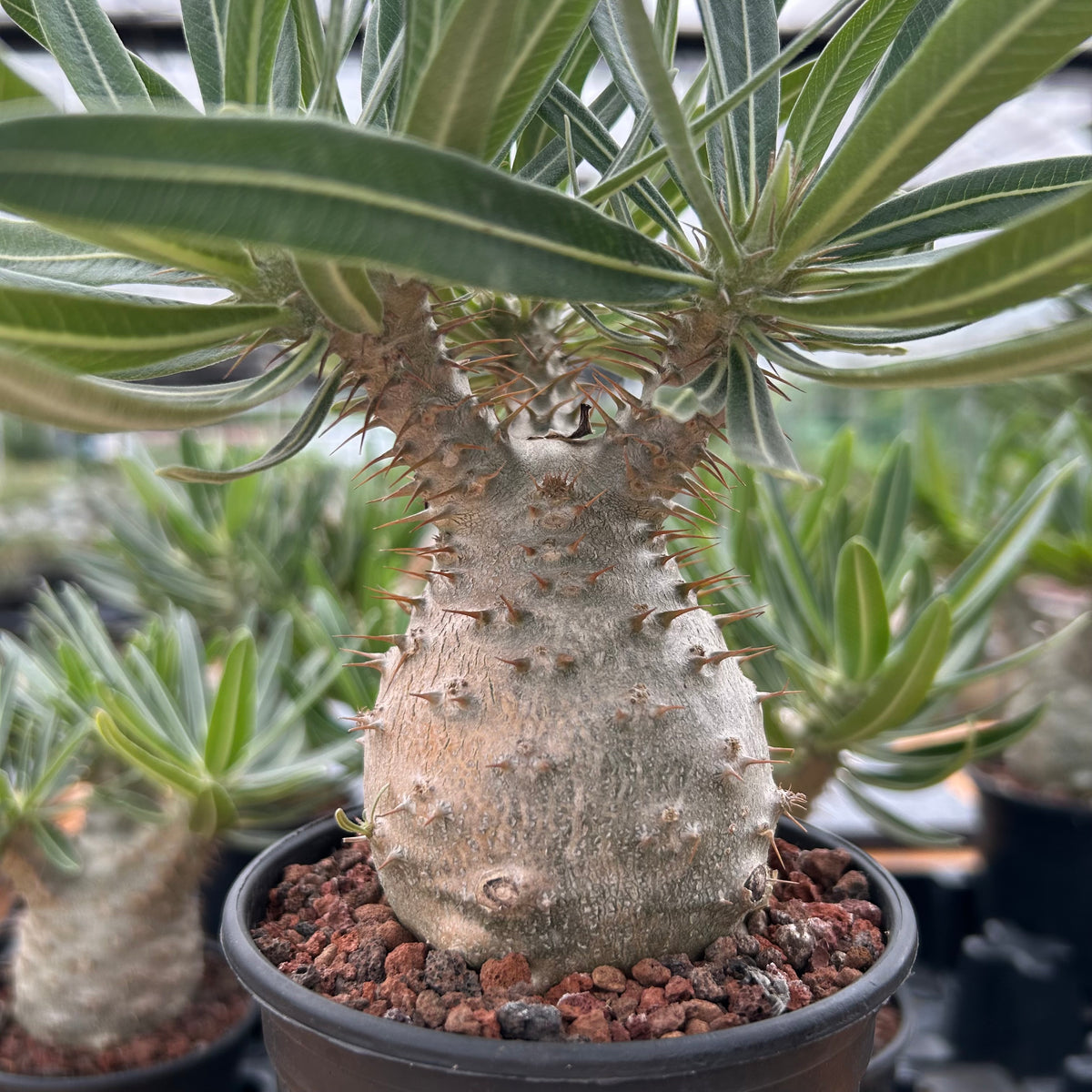
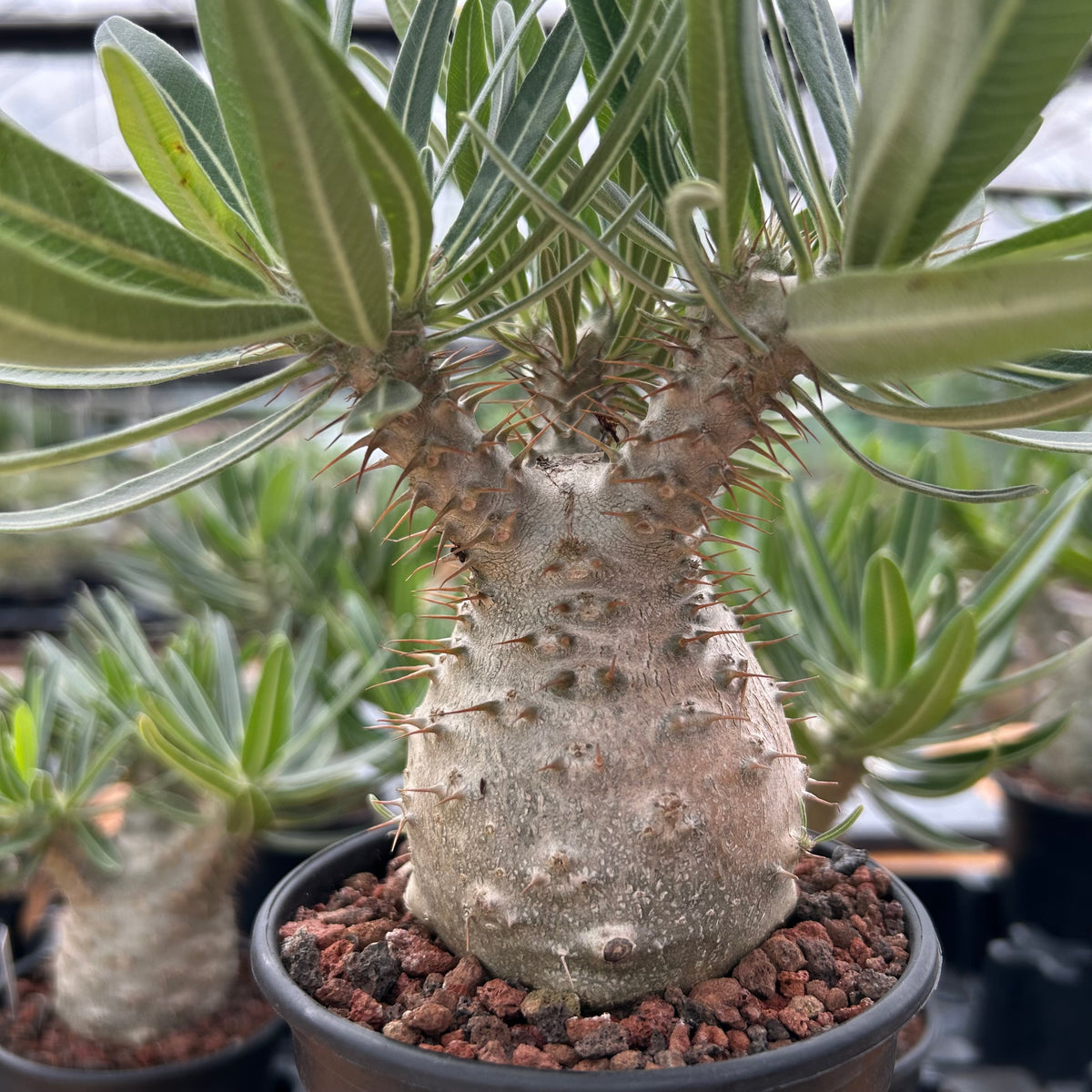
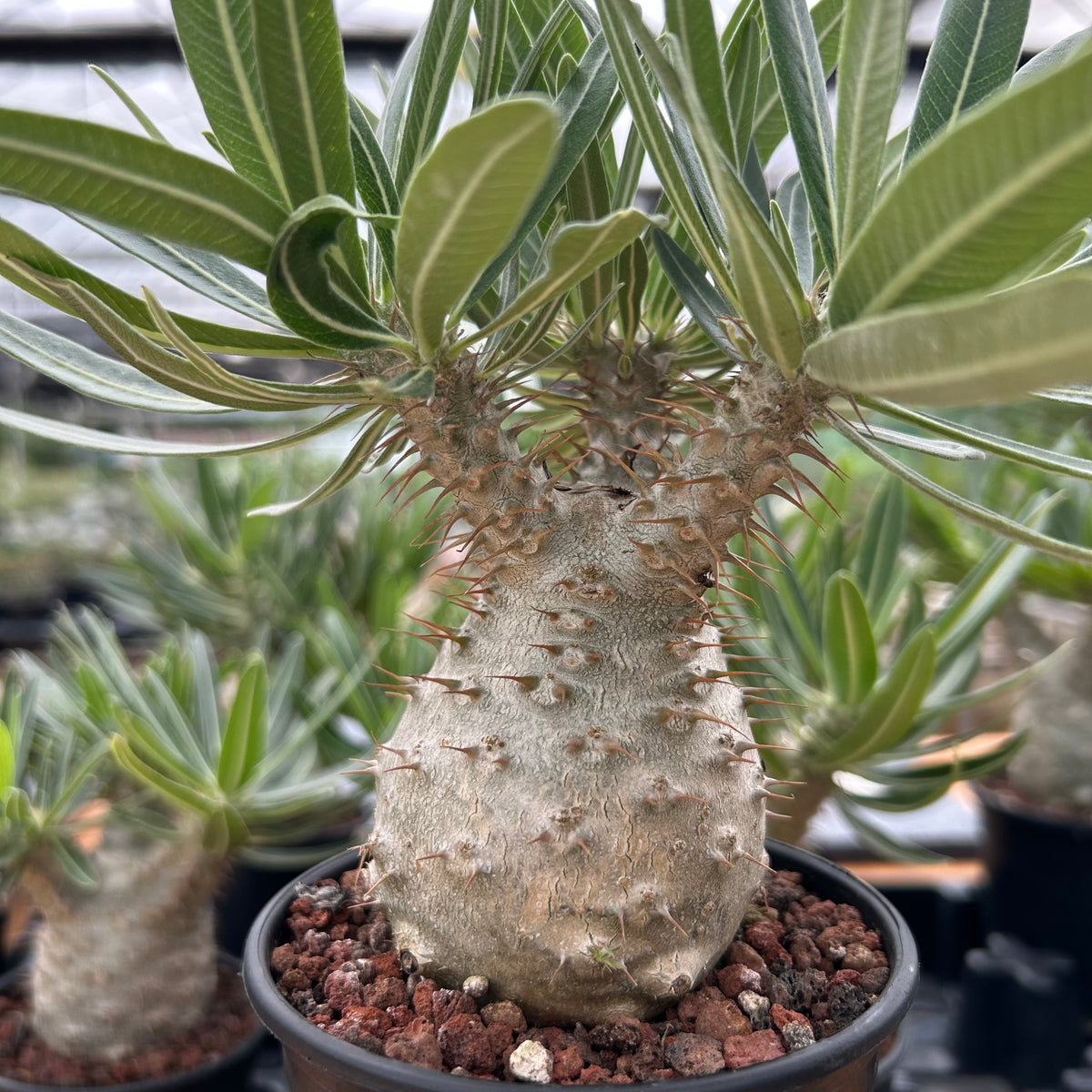
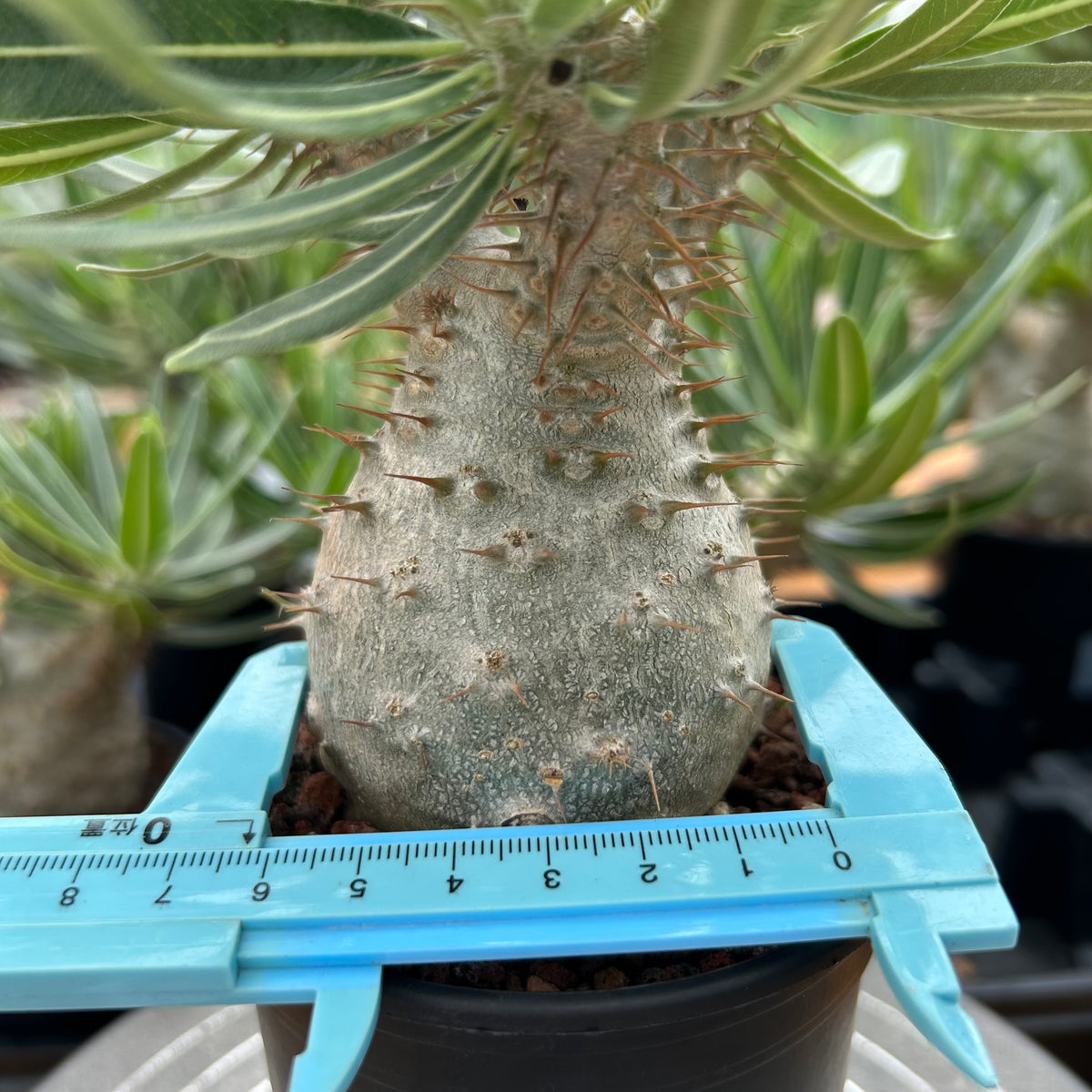
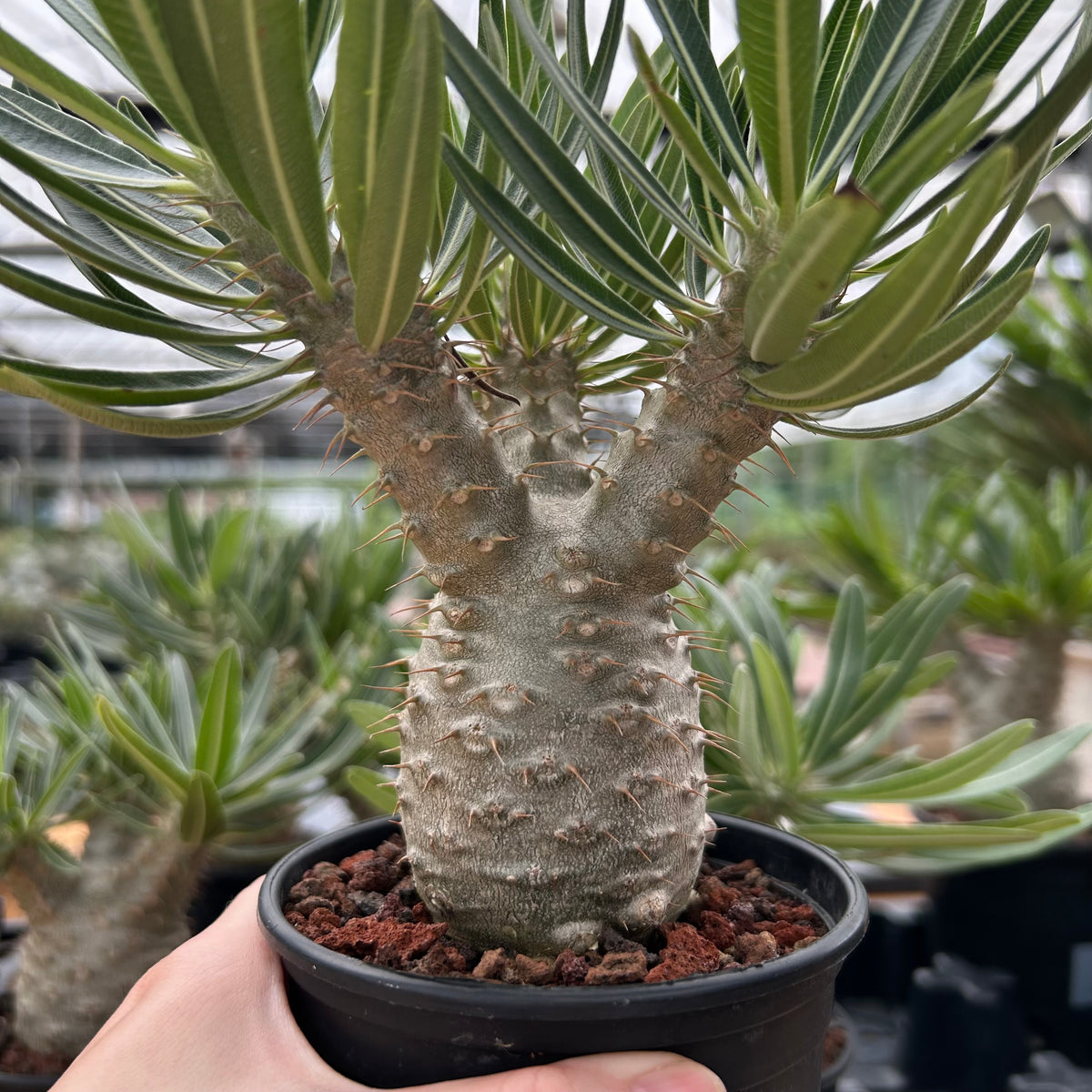
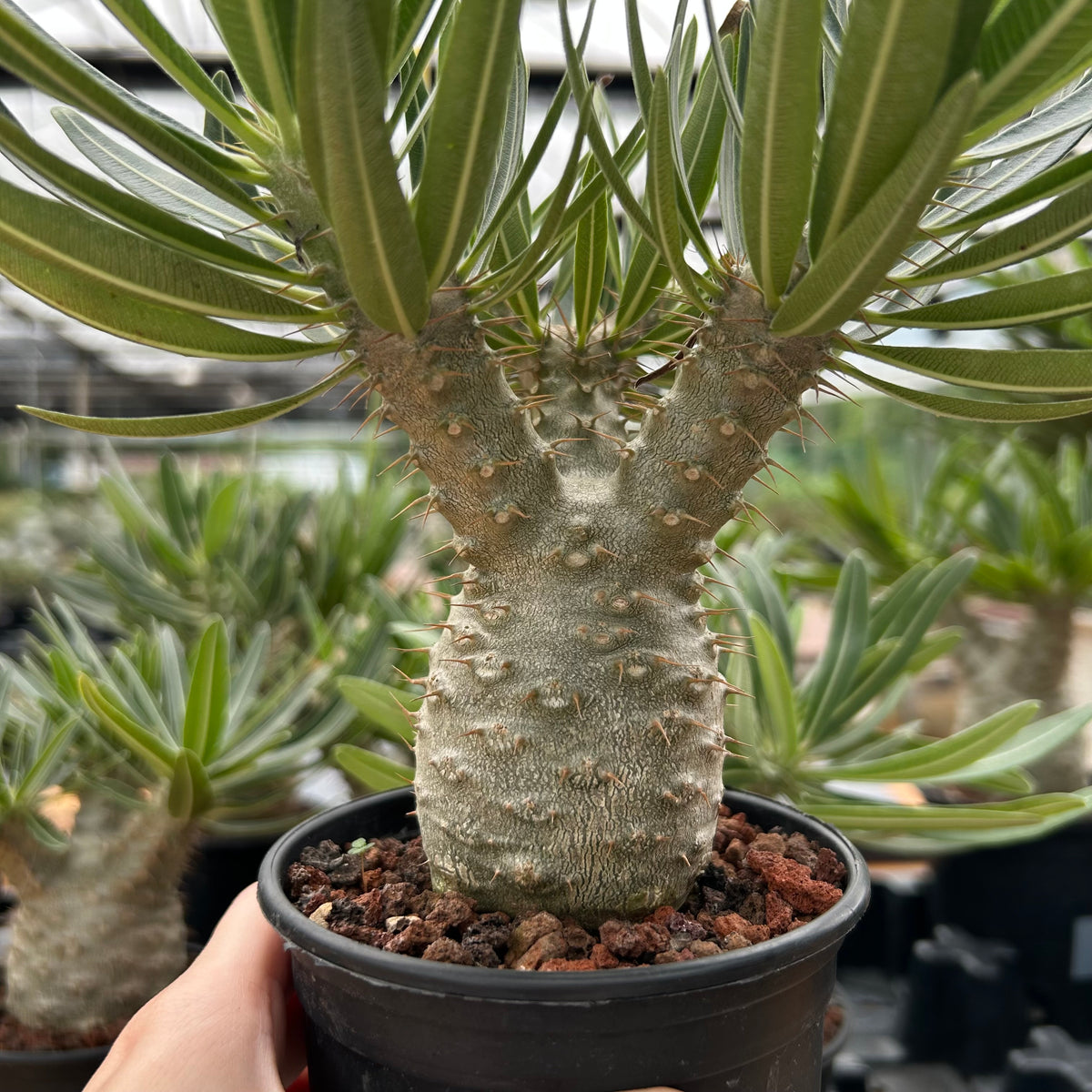
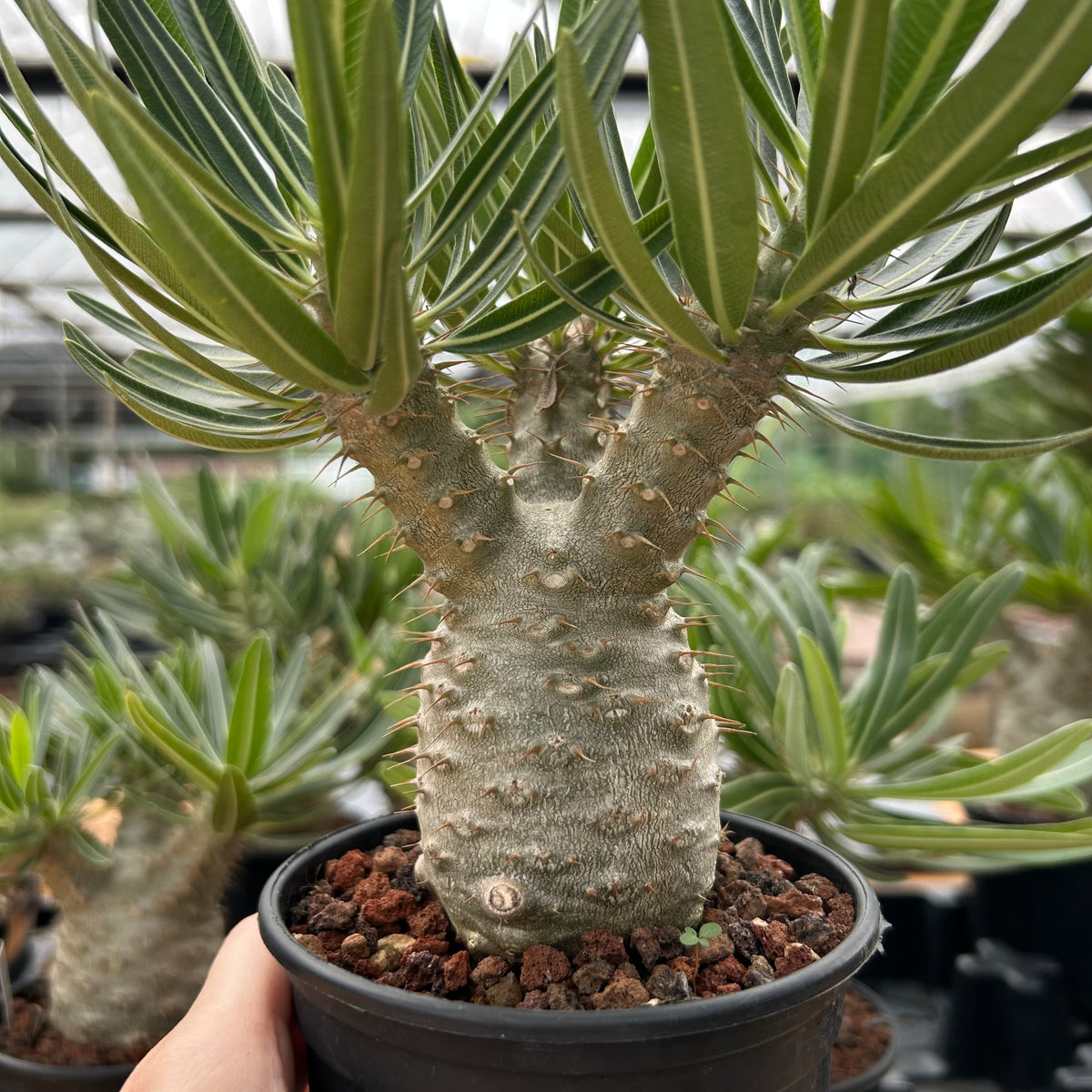
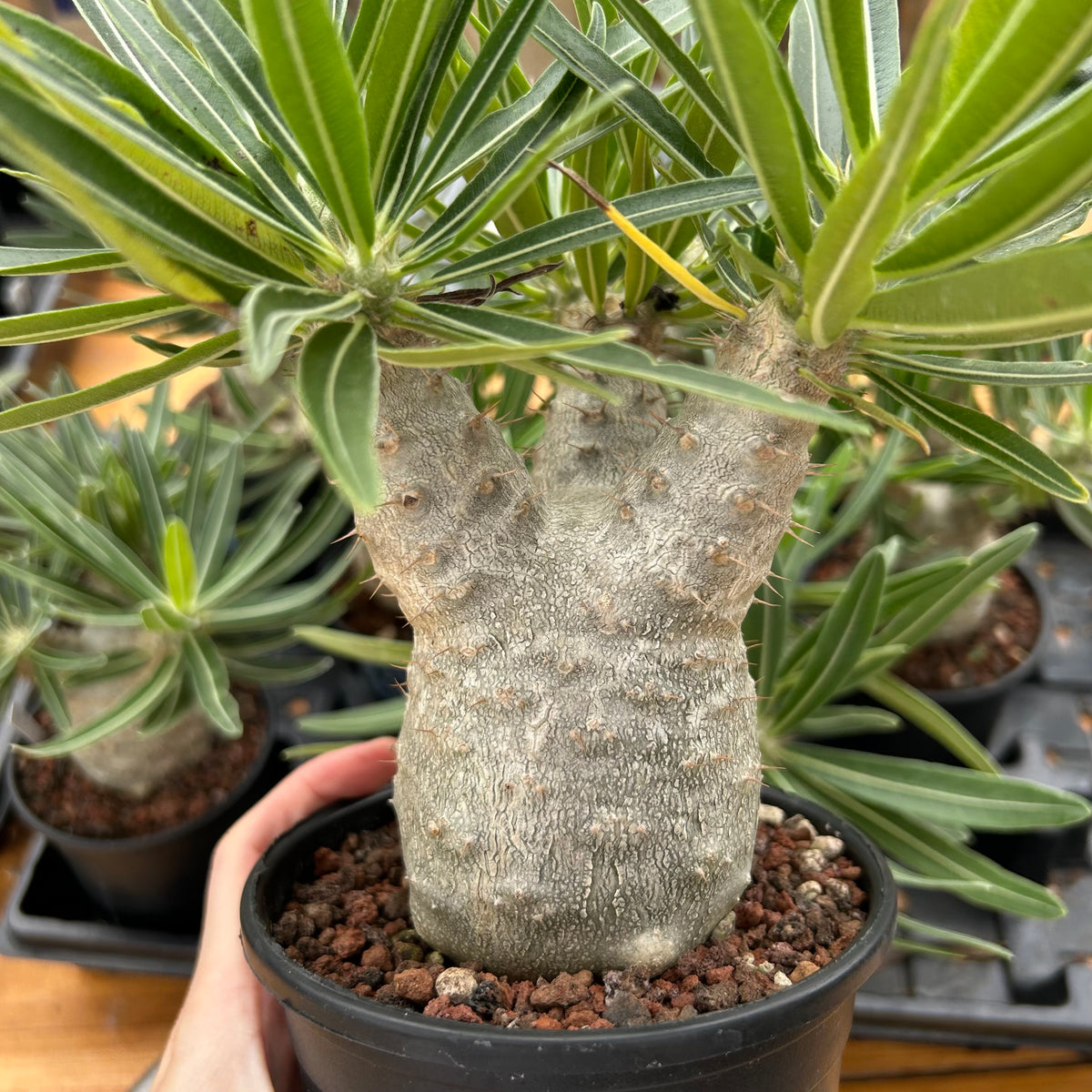
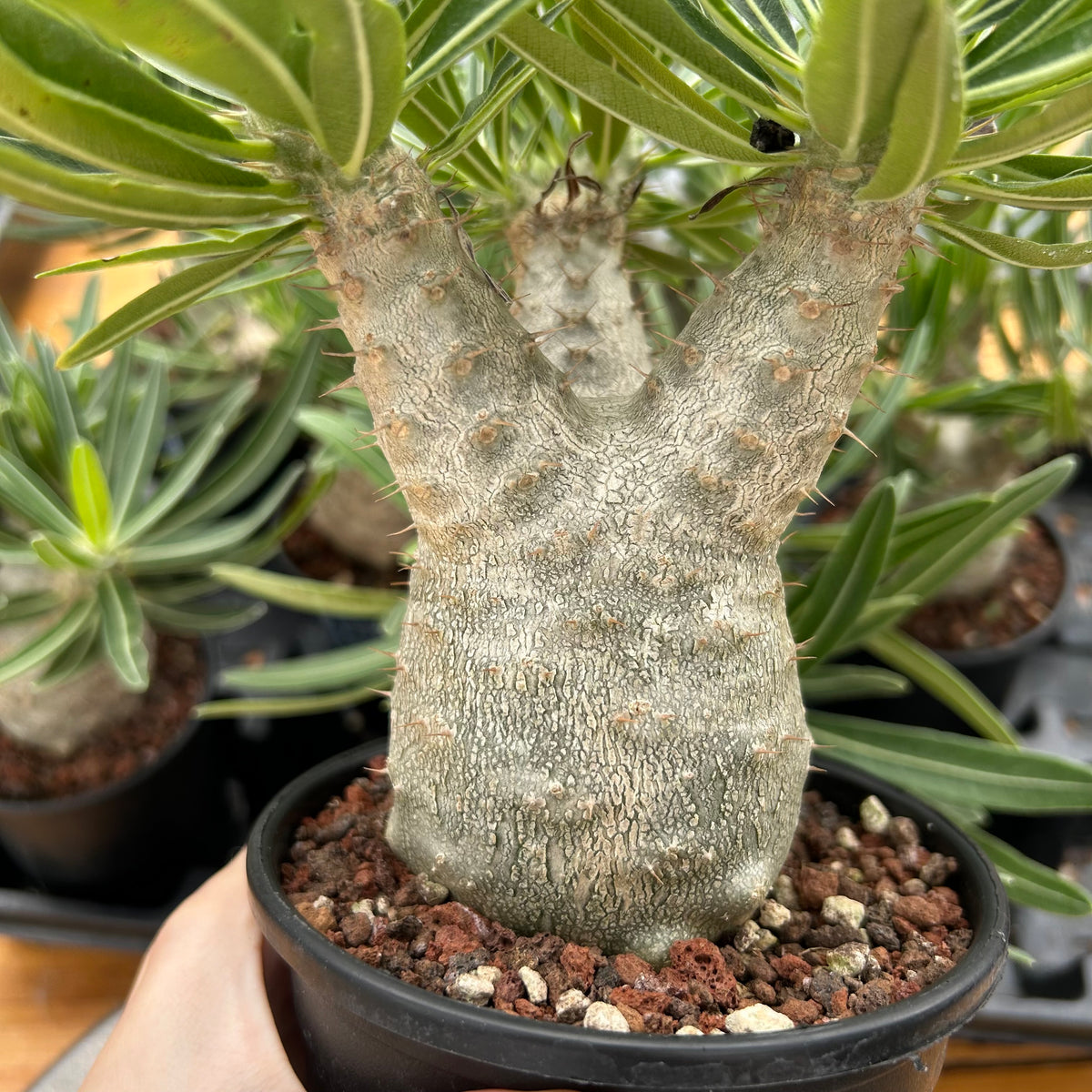
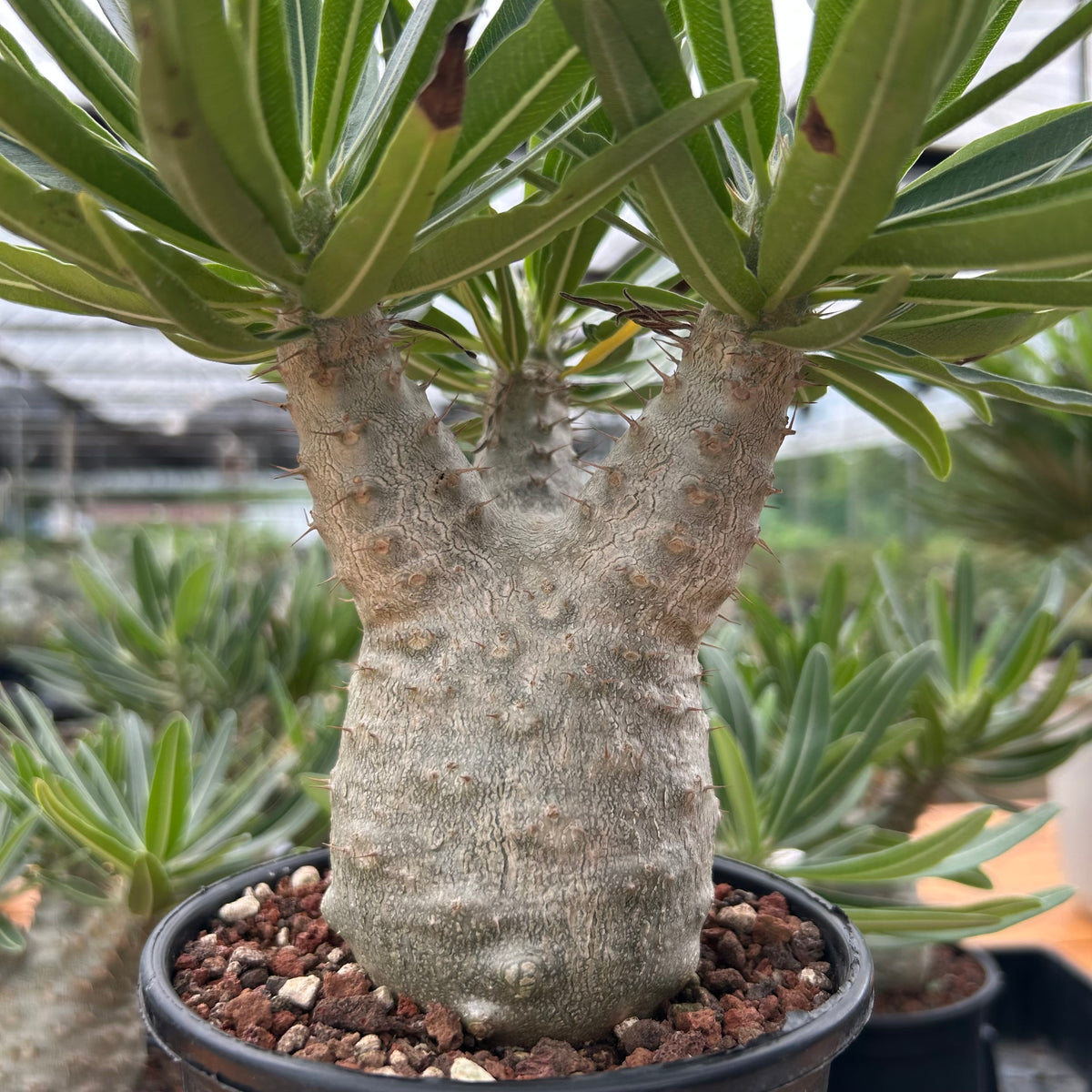
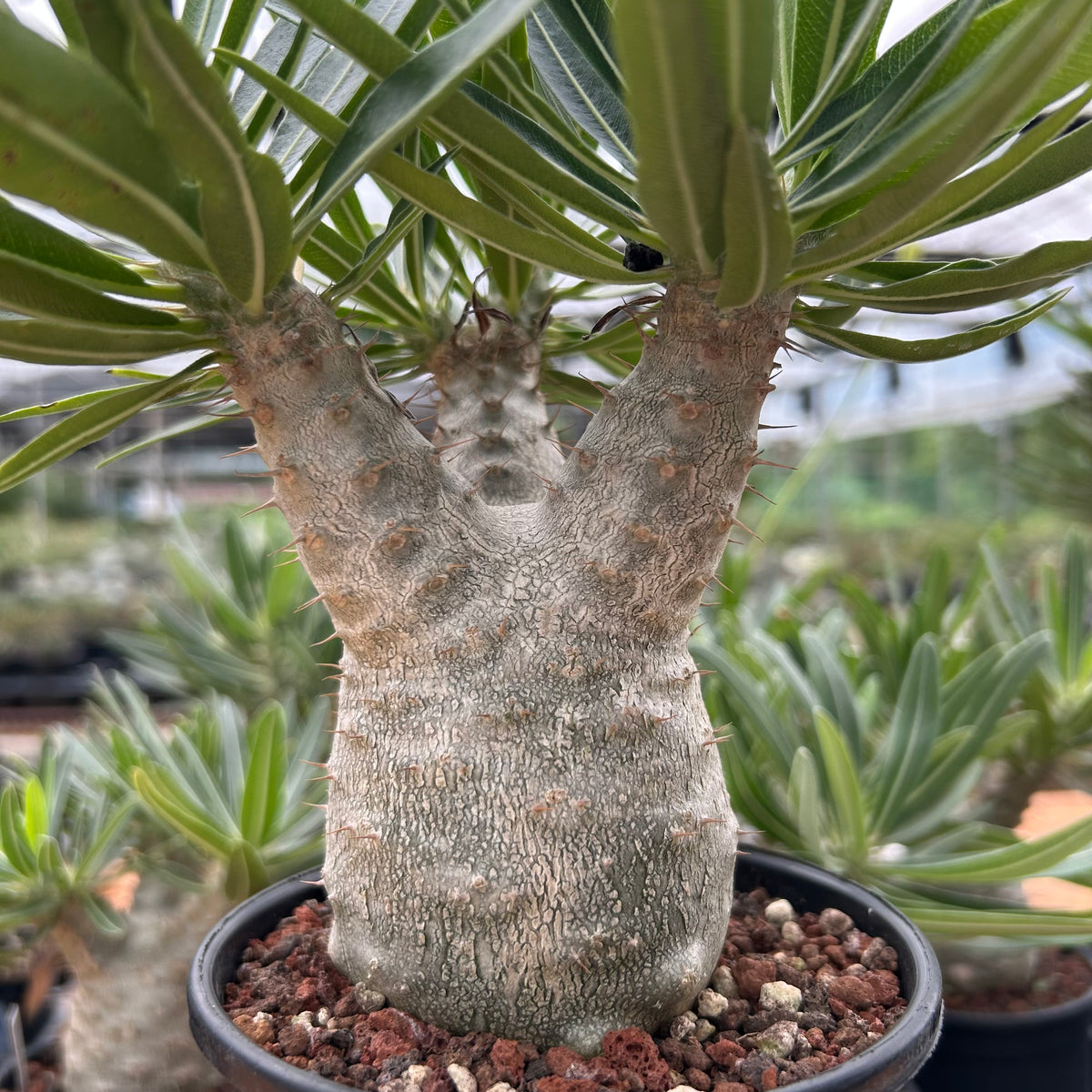
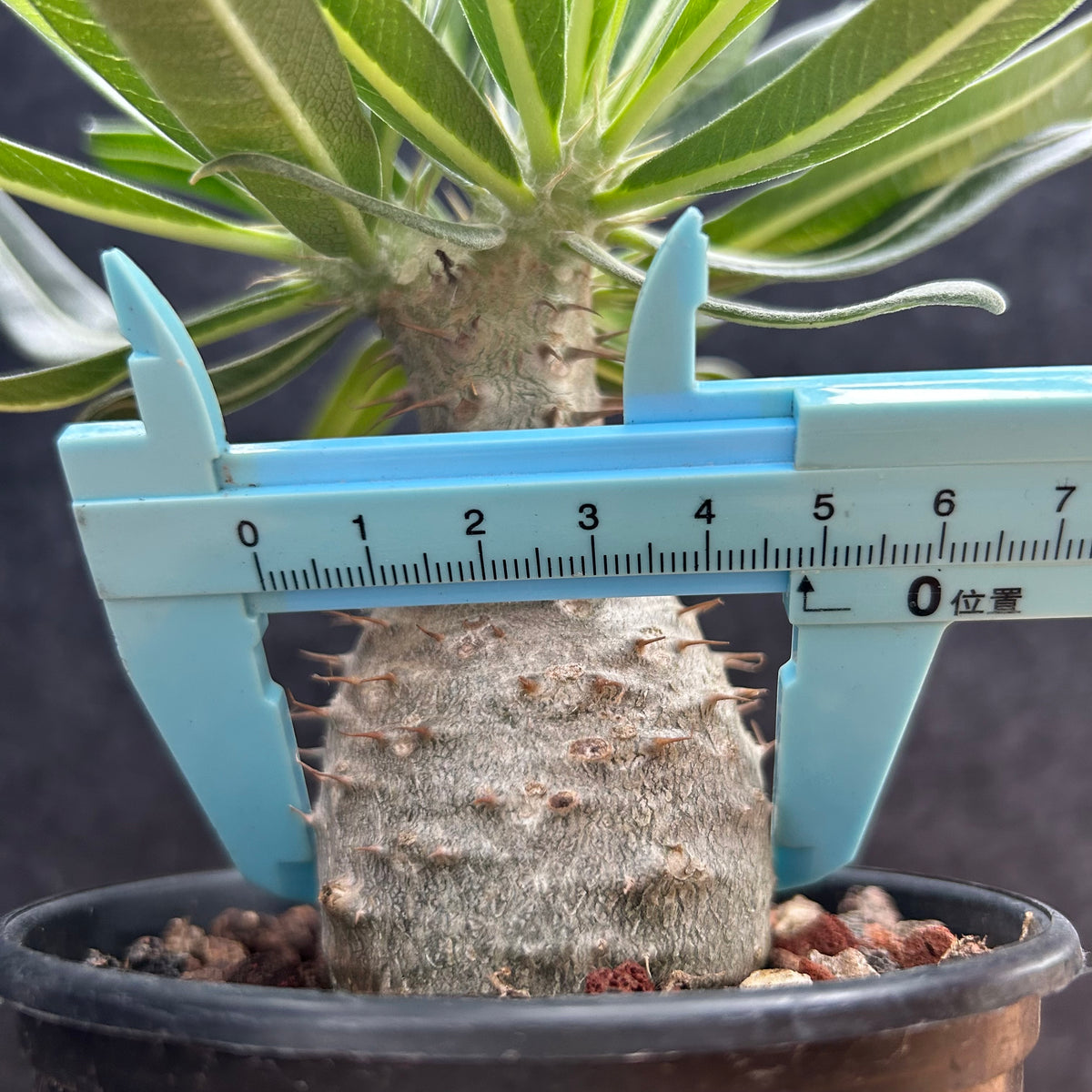
Pachypodium rosulatum var. gracilius

BotanicalCollector

4.9 · Premium
In Stock · Ships in 48h
$ 120.00 / plant
Attribute Option
Quantity Qty
1
International Logistics
Unbeatable Quality
All The Help You Need
Sales Type Retail, WYSIWYG
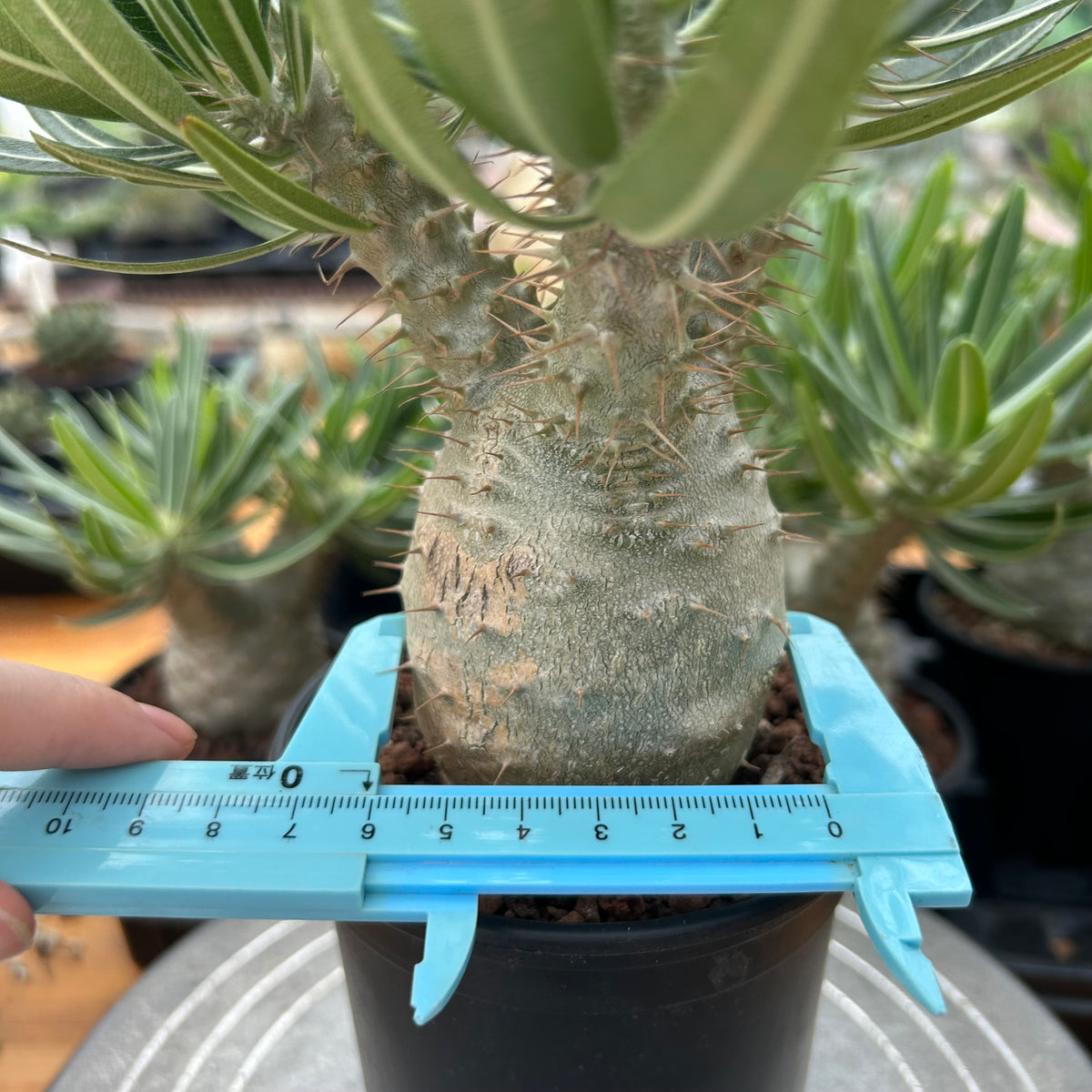
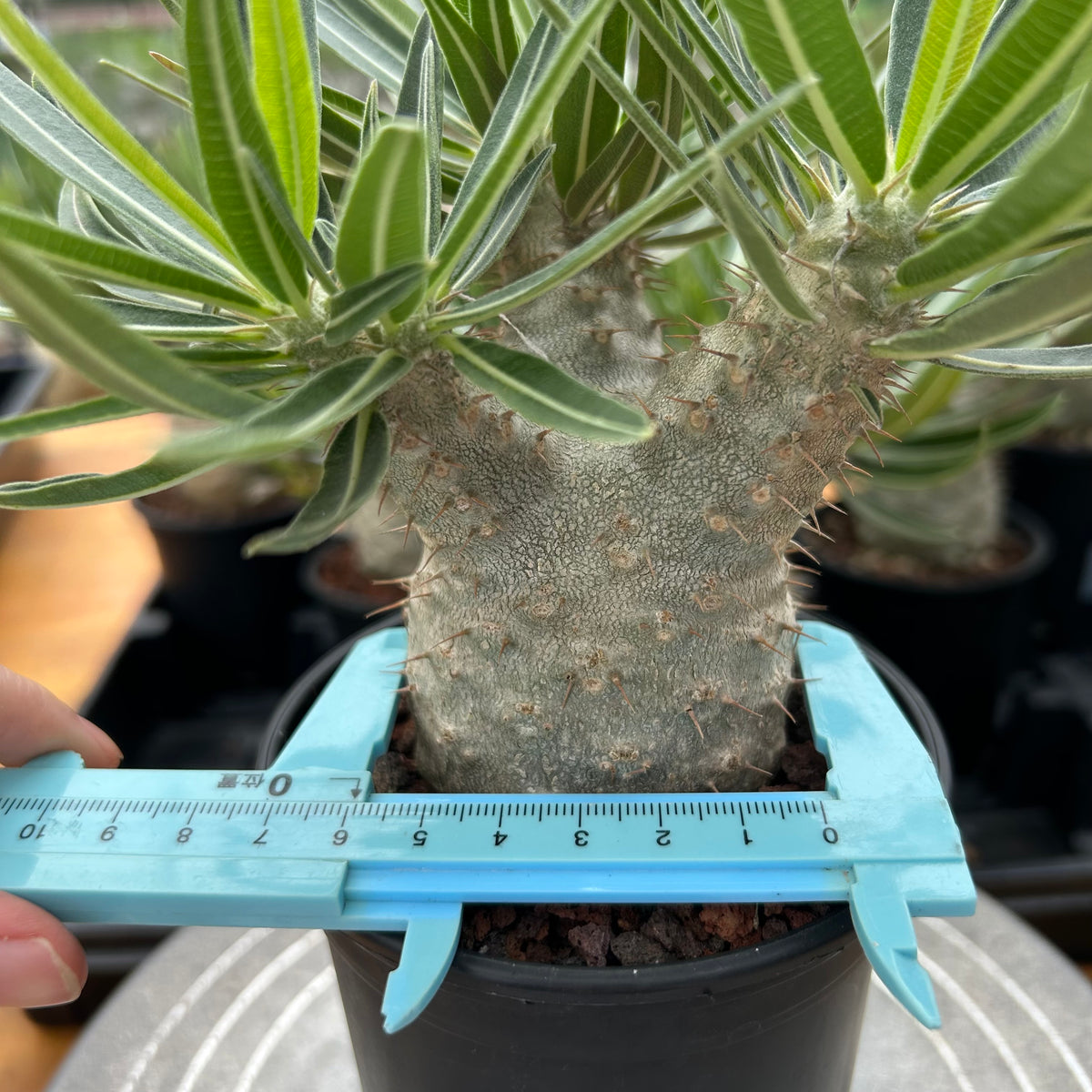
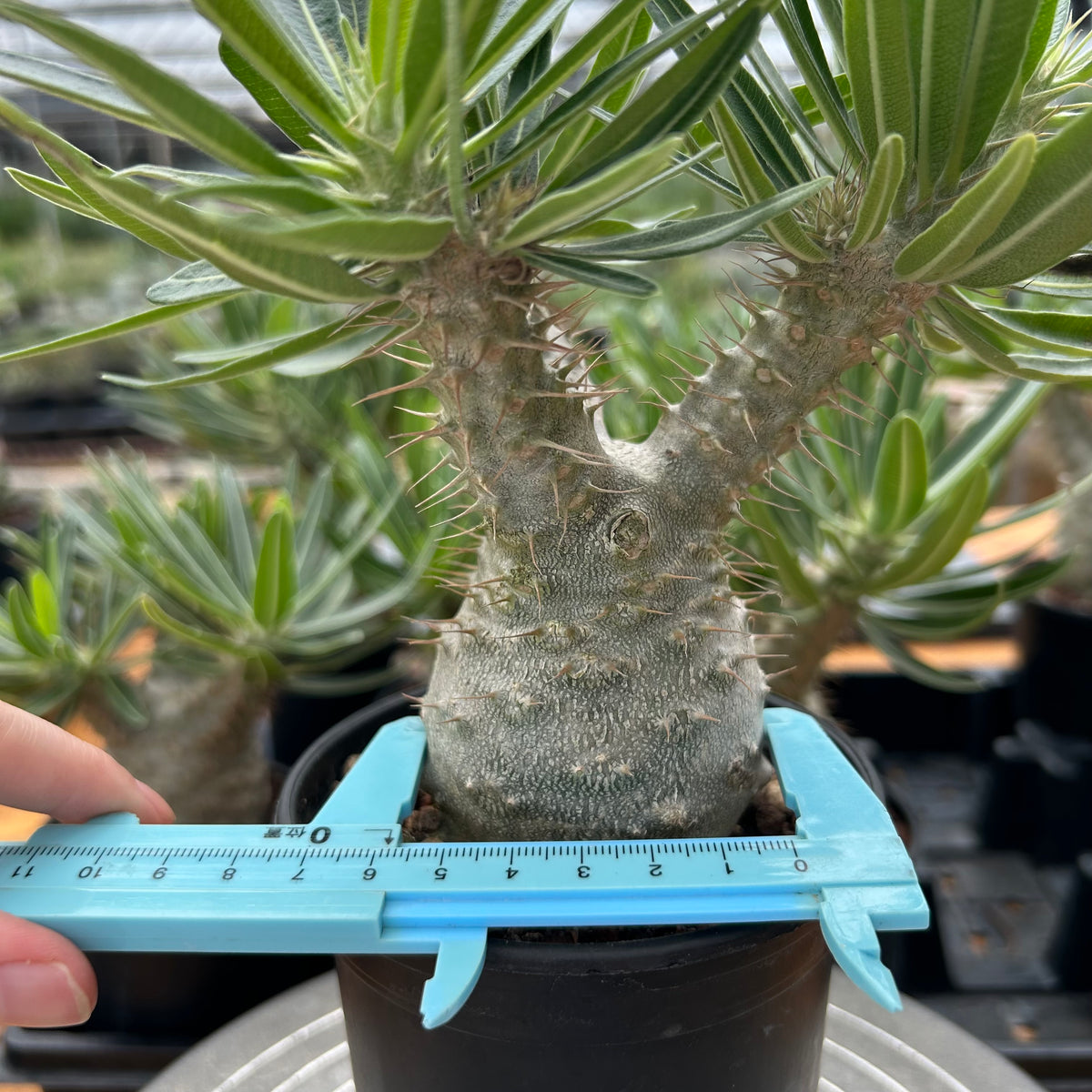
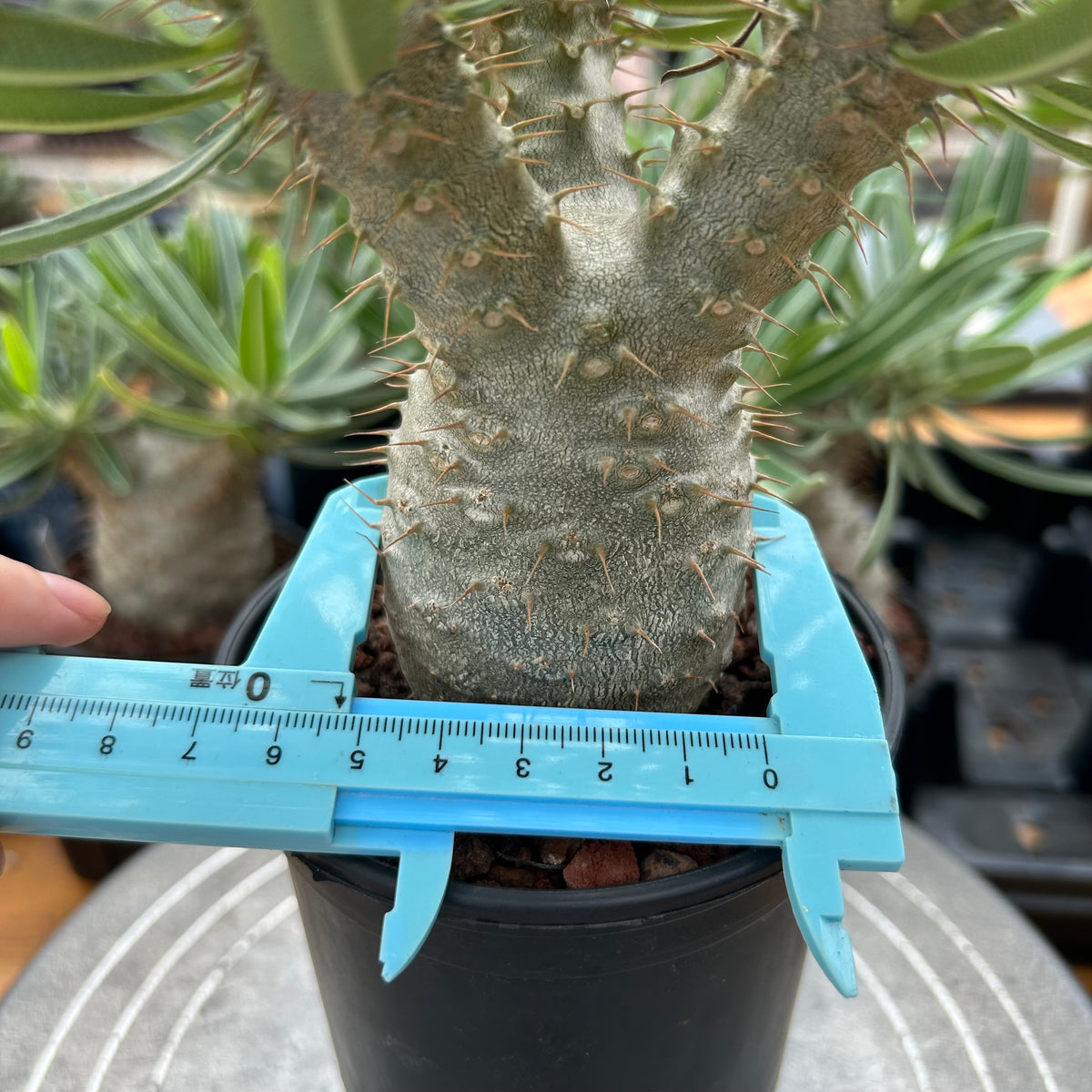
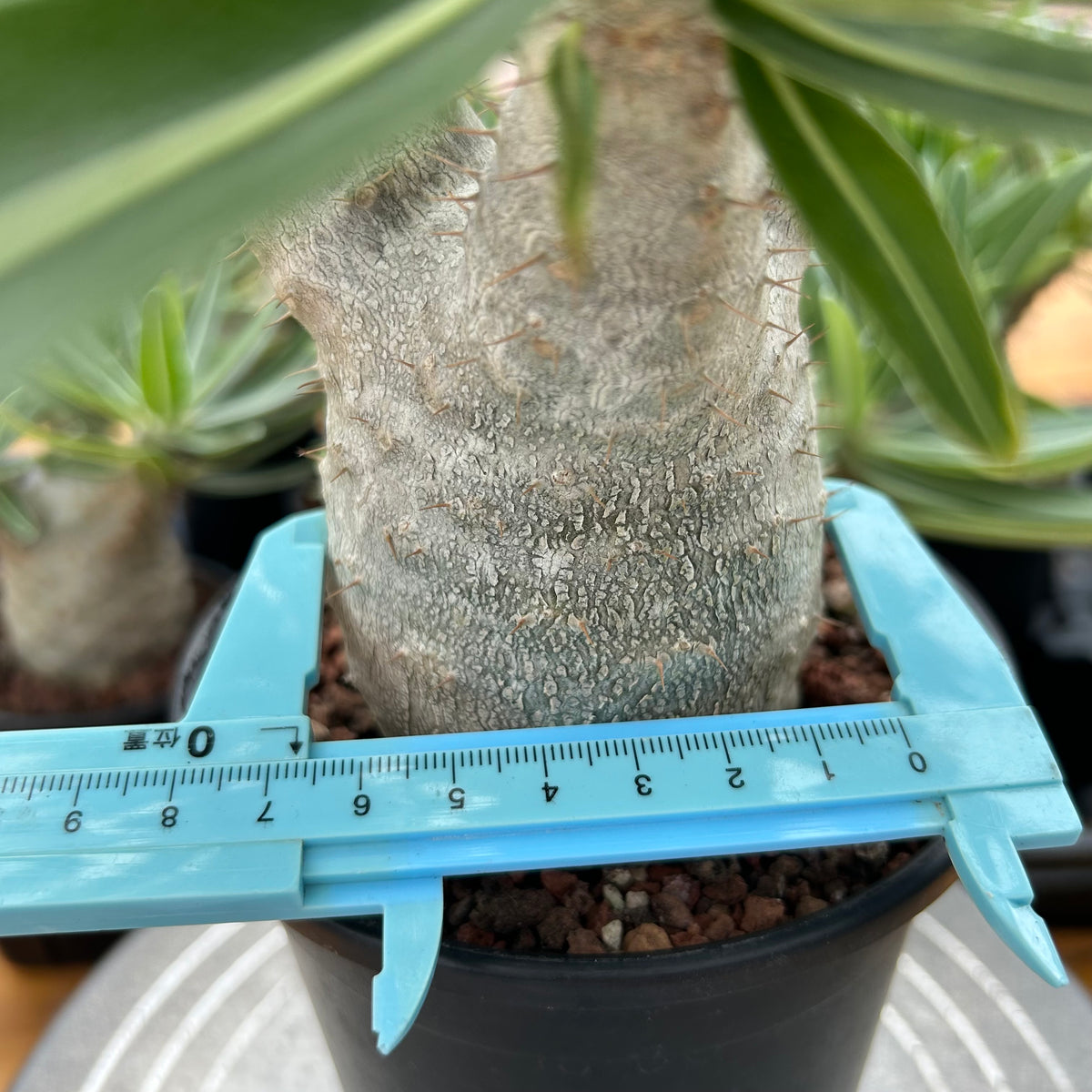
Product Size W6.2cm
Weight 0.2 kg
Propagation Method Seed-grown
Genus Pachypodium

Description

Origin

The crested form of Pachypodium rosulatum var. gracilius originates as an aberrant, fasciated mutation of the species, whose wild populations are endemic to the Isalo Massif of south-central Madagascar (Africa). The straight species was described from this remote sandstone landscape and has since become one of the most coveted Malagasy caudiciforms; crested individuals occur only sporadically in habitat and are propagated from cuttings or grafting, making them prized specimens in collector circles.

Habitat

In its natural environment, the typical (non-crested) form is a specialist of the dry sandstone plateaux of Isalo at altitudes around 600–1000 meters above sea level. It grows in shallow pockets of coarse sandy substrate accumulated within fissures of bare quartzite-sandstone domes, where rainfall is sharply seasonal — torrential summer monsoons followed by an extreme dry season of six or more months. During winter dormancy the plants drop their leaves and rely entirely on water reserves stored in the swollen caudex.

Description

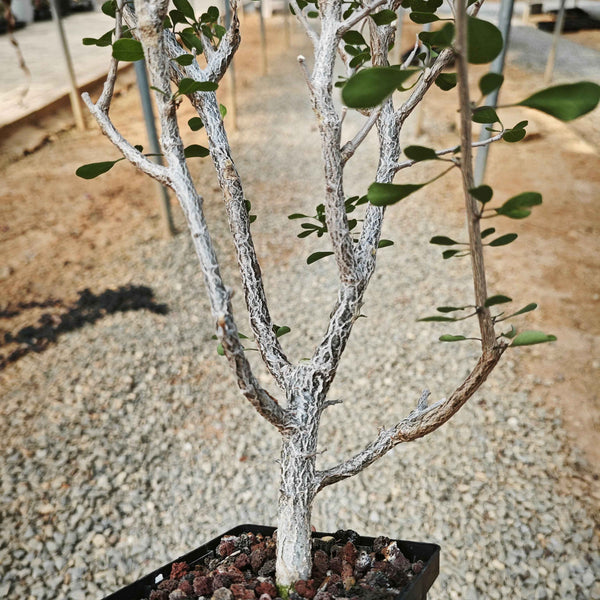
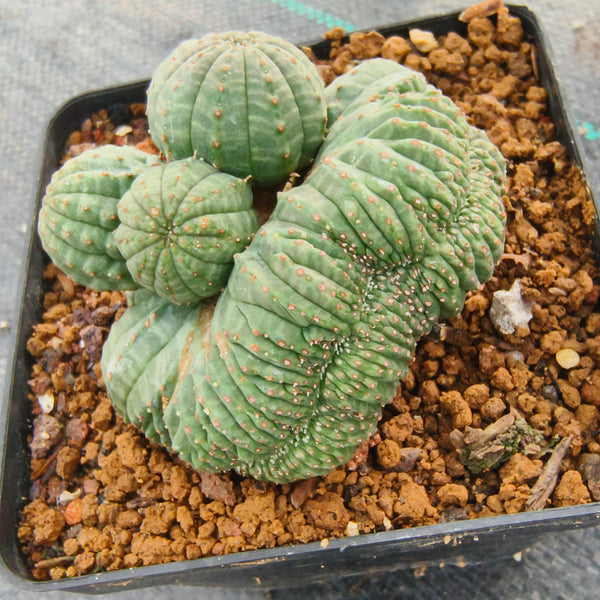
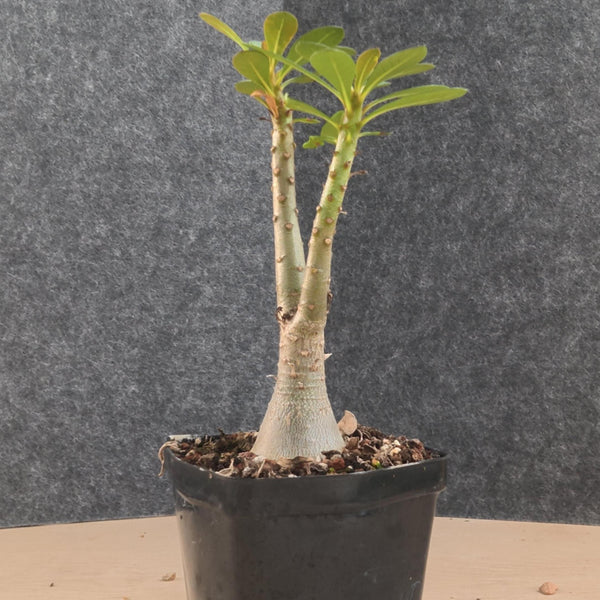
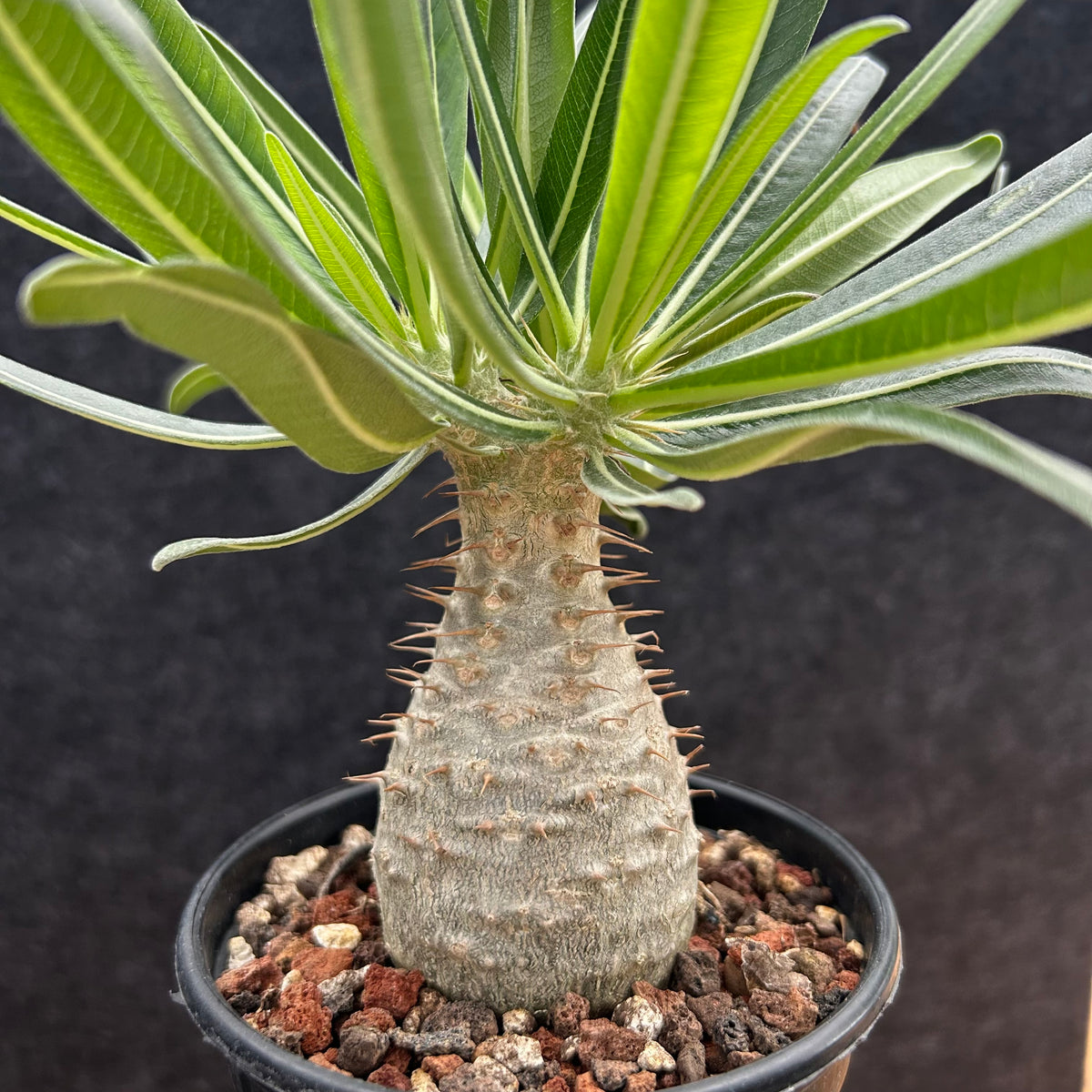
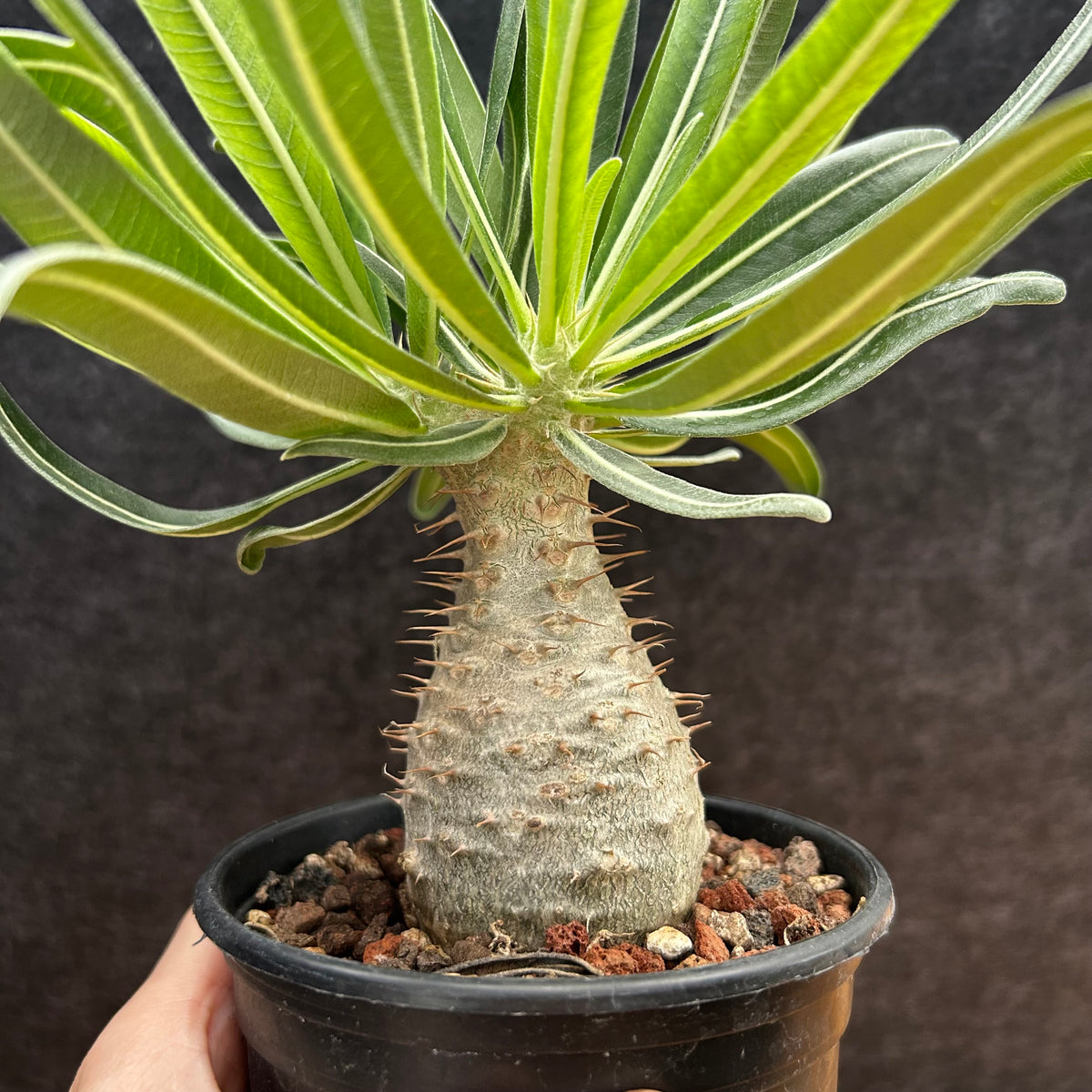
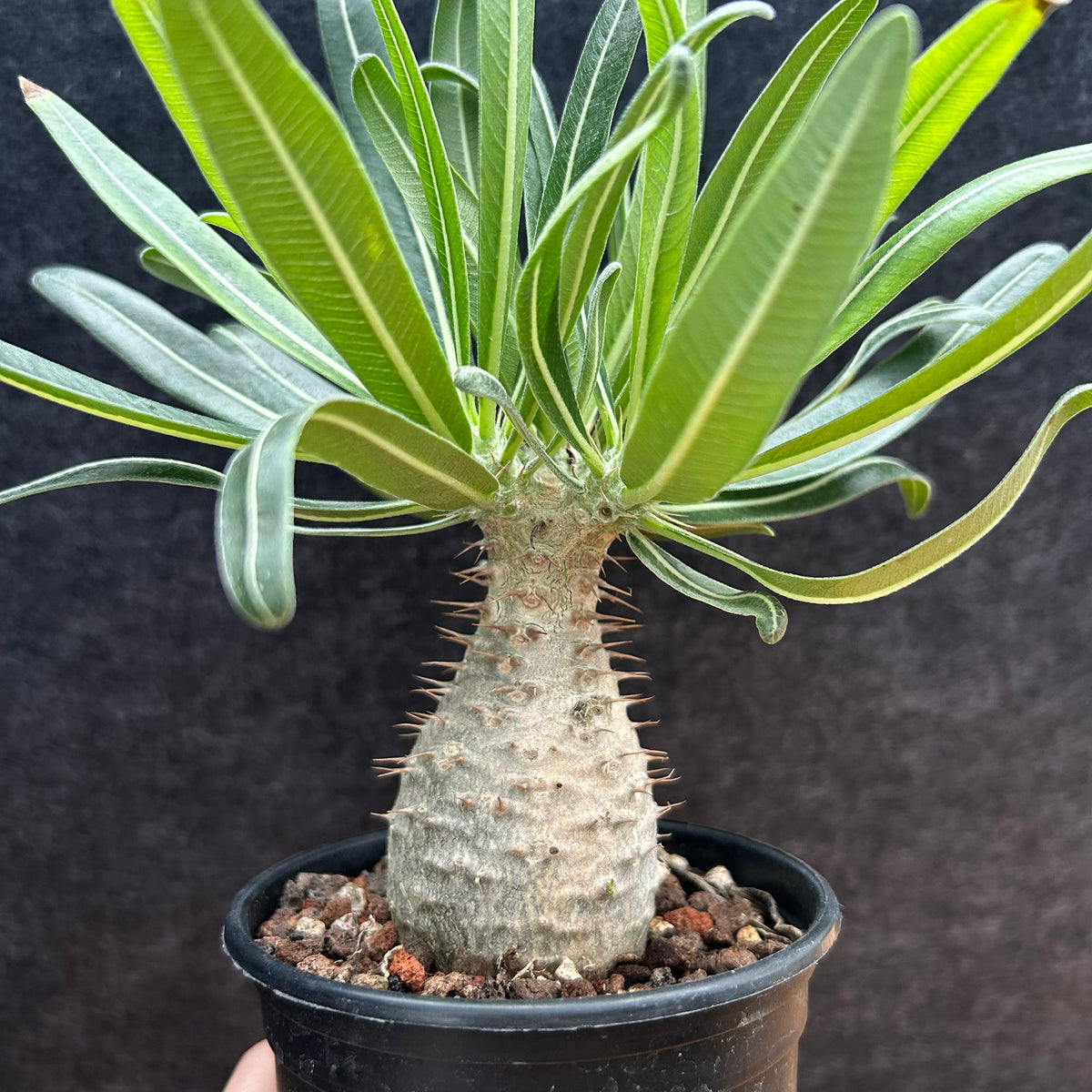
This crested clone of Pachypodium rosulatum var. gracilius is a sculptural caudiciform regarded as one of the most architectural fasciated forms among Malagasy succulents.

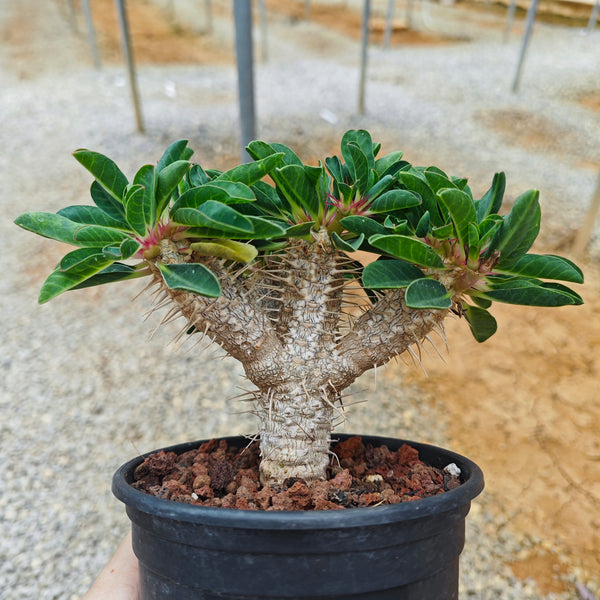
Caudex & Stem: The basal caudex is squat, silvery-grey, and bottle-shaped to bonsai-like, typically 10–20 cm wide; instead of producing the usual paired branches, the apical meristem flattens into a serpentine, fan-shaped crest 5–15 cm across, the defining trait of the cristate form.

Roots: A coarse, fleshy root system anchored in mineral grit, integrated visually with the caudex when grown raised above substrate level in collector pots.

Spines: Stout, paired, persistent spines line the ridge of the crest, more closely arranged than on a normal stem and emphasising the contorted flattened growth pattern.

Leaves: Small, glossy, lanceolate, glaucous-green leaves are clustered along the leading edge of the crest in summer; the plant is fully drought-deciduous, leafless from autumn through spring.

Flowers: Bright lemon-yellow, salverform corollas around 4–5 cm across appear at the tips of the crest in late spring before the leaves fully expand; flowering on cristate clones is irregular but striking when it occurs.

Cultivation: Slow-growing and rot-prone if overpotted; thrives in a strictly mineral, fast-draining substrate with deep grit. Provide full sun, warm summer temperatures with moderate watering, and a strictly dry winter rest above 10 °C; never water while leafless.

Care Guide

Essential Care Tips for Thriving Plants

Light

Provide partial to full sun. Most plants thrive on direct UV exposure. Avoid placing behind window glass, as it filters out the essential UV rays needed for healthy growth.

Water

Follow the "Soak and Dry" principle. Ensure the top 2–3 cm of soil is bone dry before watering (use the finger test). Reduce frequency in winter, but do not stop watering entirely.

Temperature

The ideal range is 18–35 °C. Maintain temperatures above 5 °C during winter. Please note that temperatures below 0 °C pose a significant risk of plant death.

Humidity

Best kept at 30–50% humidity. Note: High air humidity is not a substitute for root watering. Avoid overly damp areas to prevent root rot or leggy side shoots.

Soil

A loose, well-draining medium is ideal. A mix containing 50–70% grit or mineral soil is recommended for aeration. Outdoor ground planting is also a viable option.

Fertilizer

Fertilize during repotting using Osmocote A2 slow-release fertilizer. Apply sparingly twice a year, or adjust the fertilizer type based on your specific home environment.

Planting Guide

Start Your Green Journey in 4 Steps

01

Unbox & Inspect

Carefully unpack and inspect the plant’s body and roots. We recommend taking photos or videos immediately for your records. Place it in a shaded, well-ventilated spot for 1–2 days to acclimate to its new environment.

02

Potting & Placement

After 24 hours of rest, pot the plant using slightly moistened soil. Place it in a bright, airy location to encourage recovery. Keep away from AC vents or heaters to prevent damage from temperature fluctuations.

03

First Watering

Use water that has sat for at least 24 hours. If using the damp-potting method, wait 2–3 days before the first watering. Ensure a thorough soak until water drains freely from the bottom.

04

Daily Care

Monitor leaf condition and soil moisture daily. If the soil remains damp, increase ventilation rather than watering. Proper airflow is essential to prevent root rot and ensure lasting health.