Important Notice: Low-Temperature Shipping — Read Before Ordering

Notice on Low-Temperature Shipping

Recently, temperatures have been gradually dropping in various regions, and some plants require insulated packaging for shipping. When placing an order, you can check the estimated delivery time on the order page. Below are the packaging arrangements for different temperature conditions:

If the temperature at your address is expected to remain below -5°C throughout the estimated delivery period, please do not place an order.

If the minimum temperature at your address during the estimated delivery period is between 0°C and 5°C, your order will be shipped in an insulated box, and an additional shipping fee will be required. The specific fee will be notified by email. You may pay the additional shipping fee, or apply to us for a refund.

If the minimum temperature at your address during the estimated delivery period is above 5°C, no insulated box will be arranged, and your order will be shipped as normal.

Note: For some cold-sensitive plants, we will send email reminders depending on the situation.

Thank you all for your support and trust!

WYSIWYG

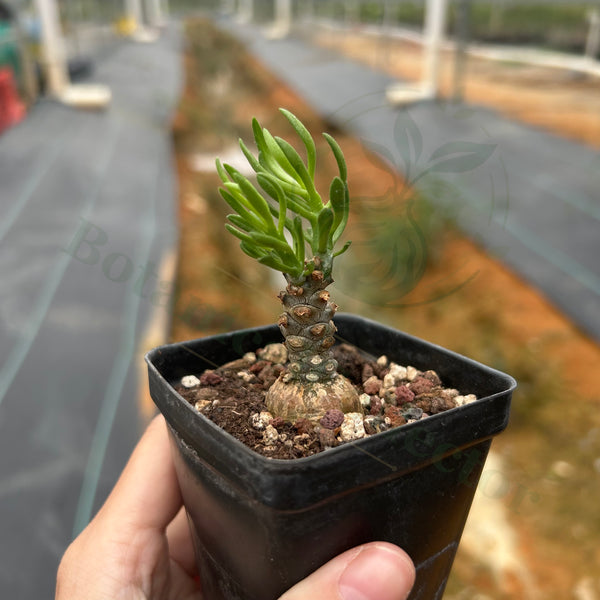
Othonna quercifolia

Othonna
$ 45.00 / plant
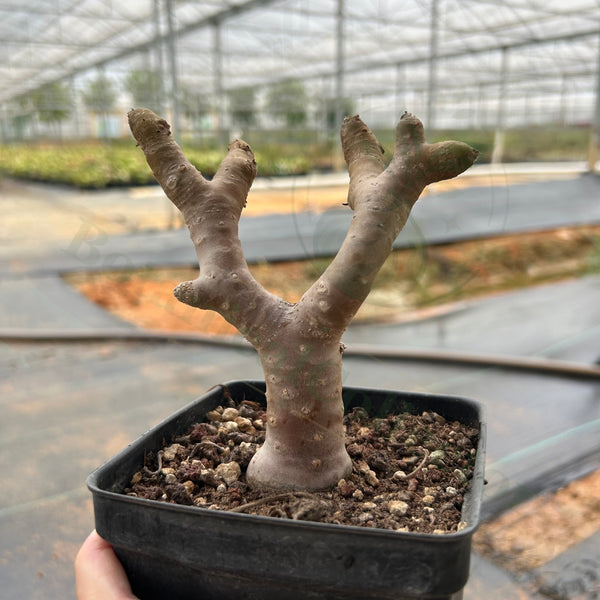
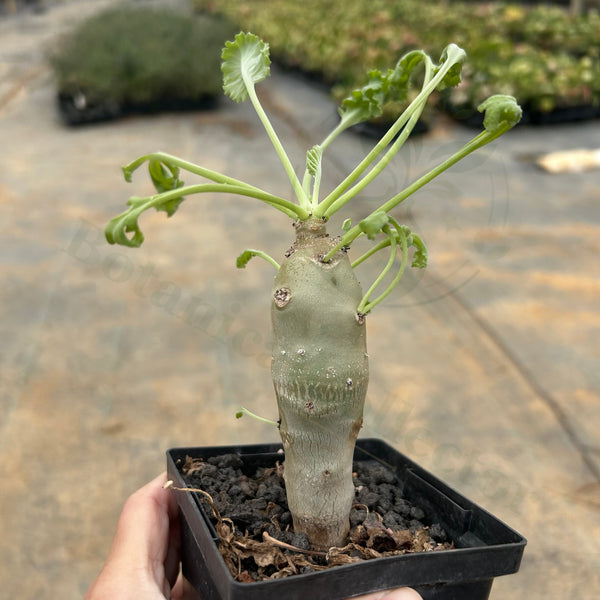
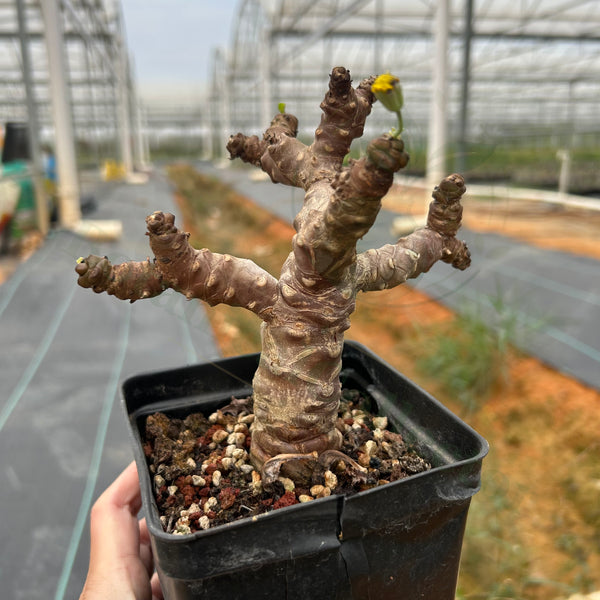
Plant selection You will receive the exact plant shown in the photos. In stock · 1 of 1
Quantity
Sales Type Retail, WYSIWYG
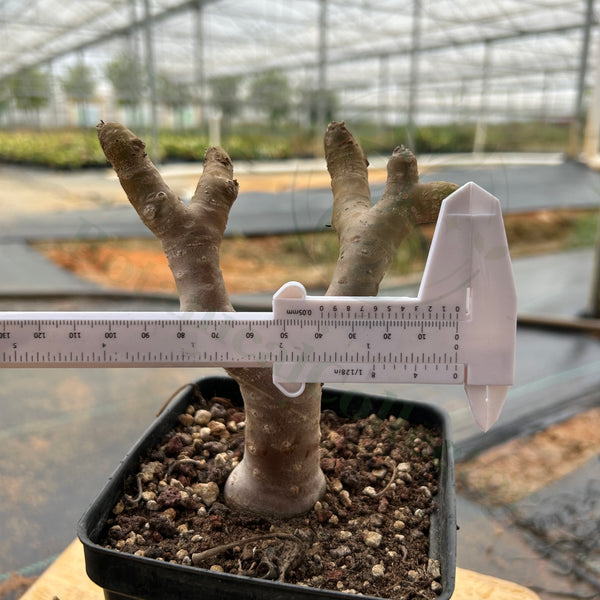
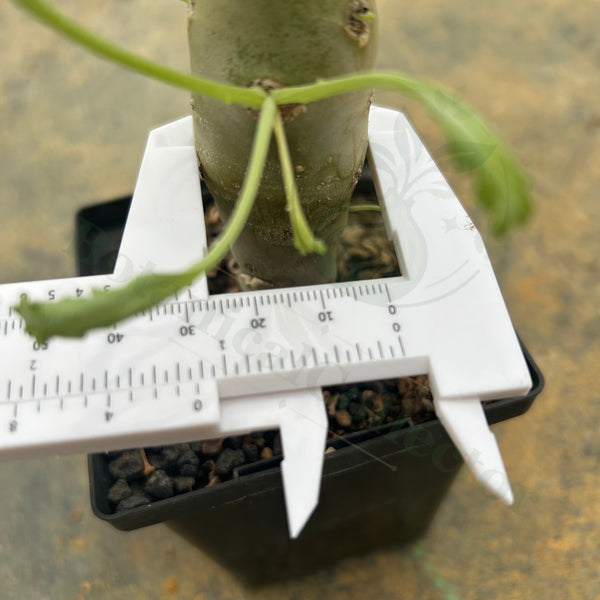
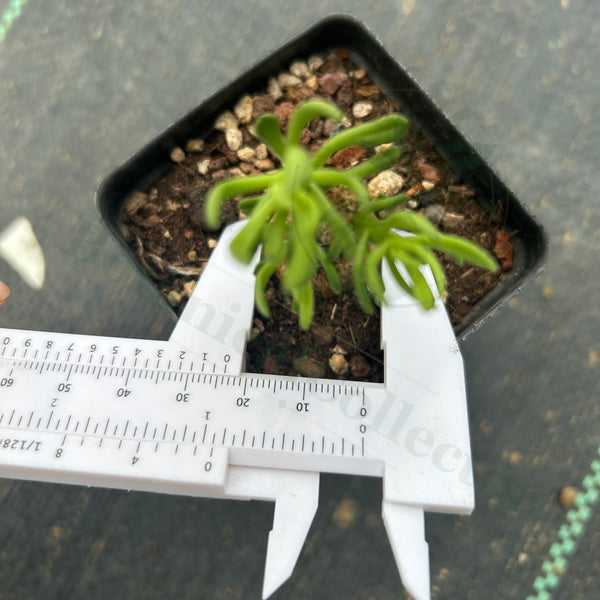
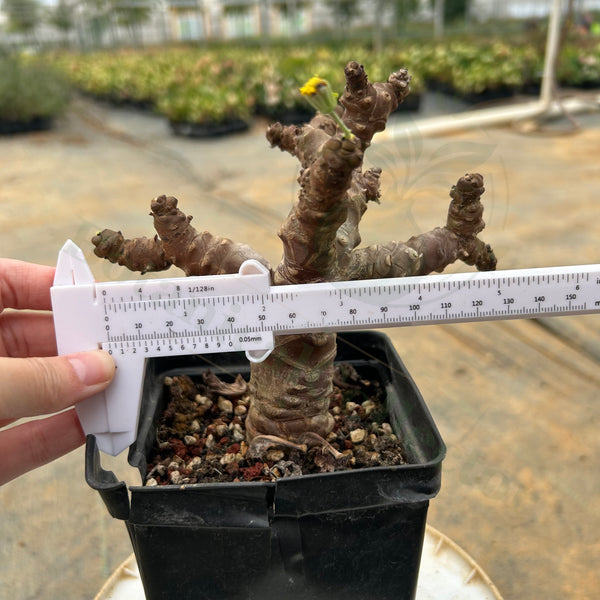
Plant size W3cm
Packaged Weight Actual packaged weight varies by product and root system. 0.2 kg
Propagation Method Seed-grown

Cataloged as

Description

Geographic & Climate

  • Geographic Coordinates:

    Approx. 31°30'S to 34°00'S, 18°30'E to 21°30'E (Western Cape & Little Karoo regions, South Africa).

  • Climate Classification:

    Mediterranean to Semi-Arid / Winter-Rainfall Climate (Köppen classification: Csb / BSk).

  • Habitat Characteristics:

    Found primarily in dry fynbos, renosterveld, and quartz field edges across Western Cape gravel flats and rocky slopes. Occurs at elevations typically ranging from 100 m to 1,200 m above sea level. Thrives in well-drained, nutrient-poor soils composed of decomposed shale, phyllite, grit, and quartz stone pavement. Receives low annual precipitation (approx. 150–350 mm), concentrated predominantly during cool winter months.

Botanical Morphology

  • Diagnostic Features:

    A pachycaul to small caudiciform succulent shrublet characterized by a swollen, woody, basal caudex (often spherical to knobby in age) and erect to semi-spreading woody stems. Leaves are distinctive: deeply lobed to sinuate-pinnatifid with crisp margins, closely resembling small oak leaves (Quercus), glaucous-green to dark blue-green. Flowers are solitary or sparsely branched composite capitula featuring bright yellow ray and disc florets borne on thin peduncles.

  • Growth Habit:

    Strict winter grower (winter-active). Plants active from autumn to spring, producing lush foliage and blooms, before dropping leaves and entering complete dormancy during hot summer months. Slow to moderate growth rate. Reaches a final height of 20–40 cm with a swollen basal caudex up to 8–15 cm in diameter.

History & Etymology

  • Etymology:

    The generic name Othonna derives from the Classical Greek word othone ( linen or cloth), likely referring to the soft, woolly down or hair present on the seeds or leaf bases of some early-described species in the genus. The specific epithet quercifolia combines Latin quercus (oak) and folium (leaf), literally translating to "oak-leaved," in reference to the characteristic oak-like outline of its foliage.

  • Historical Context:

    Formally described in 1838 by the eminent Swiss botanist Augustin Pyramus de Candolle in Prodr. 6: 479. Long recognized as a classic pachycaul member of the winter-rainfall flora of South Africa's Greater Cape Floristic Region, it has become a sought-after collector item in succulent horticulture for its bonsai-like caudex and oak-shaped foliage.

Care Guide

Essential Care Tips for Thriving Plants

Light

Provide partial to full sun. Most plants thrive on direct UV exposure. Avoid placing behind window glass, as it filters out the essential UV rays needed for healthy growth.

Water

Follow the "Soak and Dry" principle. Ensure the top 2–3 cm of soil is bone dry before watering (use the finger test). Reduce frequency in winter, but do not stop watering entirely.

Temperature

The ideal range is 18–35 °C. Maintain temperatures above 5 °C during winter. Please note that temperatures below 0 °C pose a significant risk of plant death.

Humidity

Best kept at 30–50% humidity. Note: High air humidity is not a substitute for root watering. Avoid overly damp areas to prevent root rot or leggy side shoots.

Soil

A loose, well-draining medium is ideal. A mix containing 50–70% grit or mineral soil is recommended for aeration. Outdoor ground planting is also a viable option.

Fertilizer

Fertilize during repotting using Osmocote A2 slow-release fertilizer. Apply sparingly twice a year, or adjust the fertilizer type based on your specific home environment.

Planting Guide

Start Your Green Journey in 4 Steps

Unbox & Inspect

Carefully unpack and inspect the plant’s body and roots. We recommend taking photos or videos immediately for your records. Place it in a shaded, well-ventilated spot for 1–2 days to acclimate to its new environment.

Potting & Placement

After 24 hours of rest, pot the plant using slightly moistened soil. Place it in a bright, airy location to encourage recovery. Keep away from AC vents or heaters to prevent damage from temperature fluctuations.

First Watering

Use water that has sat for at least 24 hours. If using the damp-potting method, wait 2–3 days before the first watering. Ensure a thorough soak until water drains freely from the bottom.

Daily Care

Monitor leaf condition and soil moisture daily. If the soil remains damp, increase ventilation rather than watering. Proper airflow is essential to prevent root rot and ensure lasting health.