Important Notice: Low-Temperature Shipping — Read Before Ordering

Notice on Low-Temperature Shipping

Recently, temperatures have been gradually dropping in various regions, and some plants require insulated packaging for shipping. When placing an order, you can check the estimated delivery time on the order page. Below are the packaging arrangements for different temperature conditions:

If the temperature at your address is expected to remain below -5°C throughout the estimated delivery period, please do not place an order.

If the minimum temperature at your address during the estimated delivery period is between 0°C and 5°C, your order will be shipped in an insulated box, and an additional shipping fee will be required. The specific fee will be notified by email. You may pay the additional shipping fee, or apply to us for a refund.

If the minimum temperature at your address during the estimated delivery period is above 5°C, no insulated box will be arranged, and your order will be shipped as normal.

Note: For some cold-sensitive plants, we will send email reminders depending on the situation.

Thank you all for your support and trust!

WYSIWYG

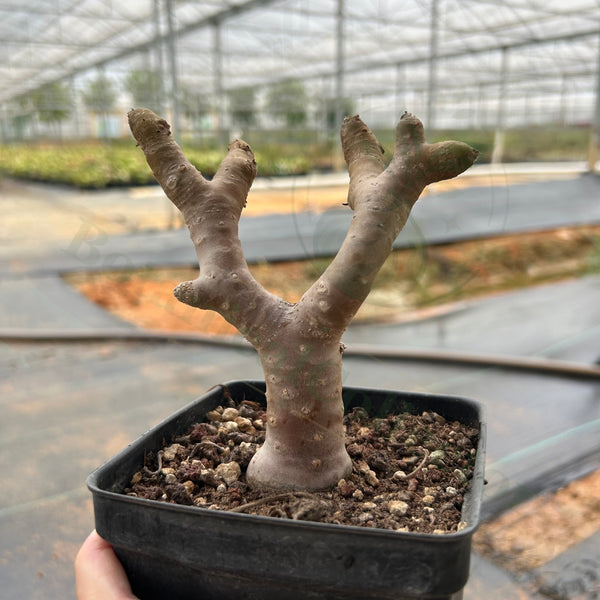
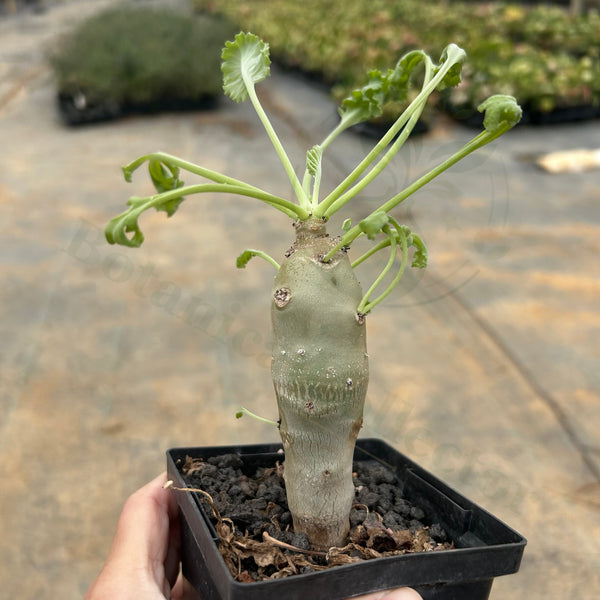
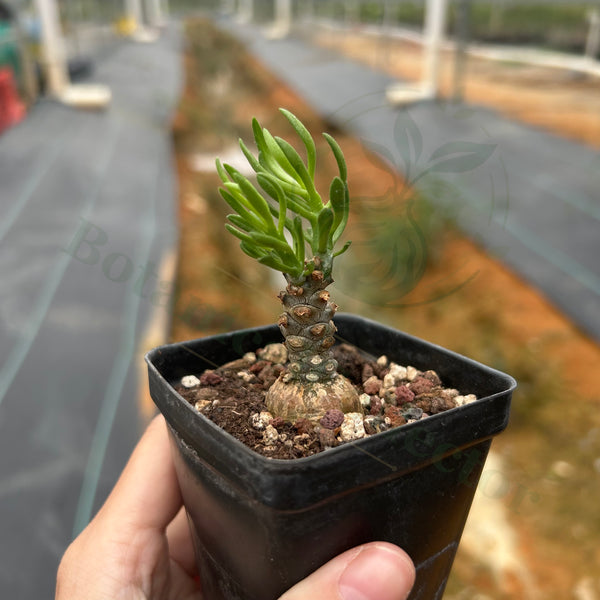
Othonna cremnophila

Othonna
$ 70.00 / plant
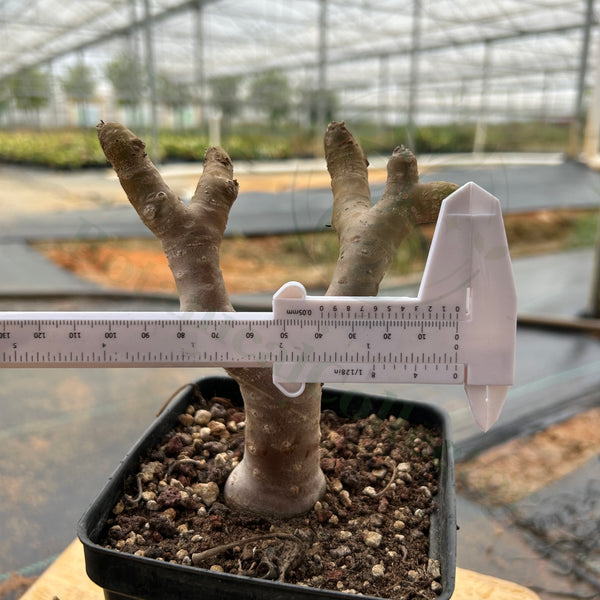
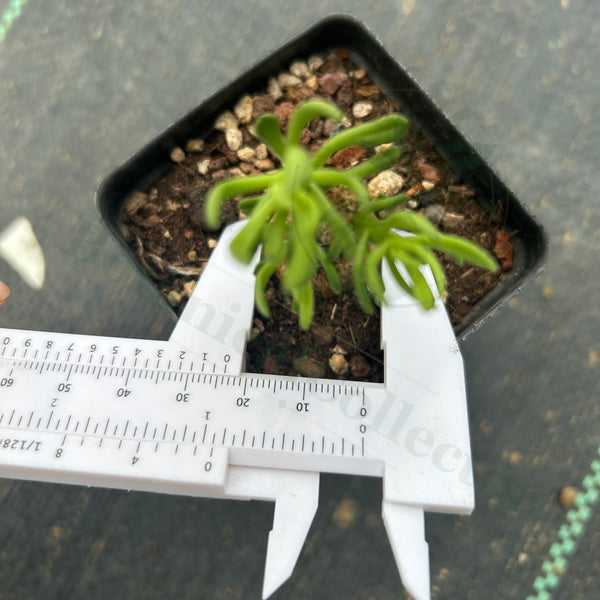
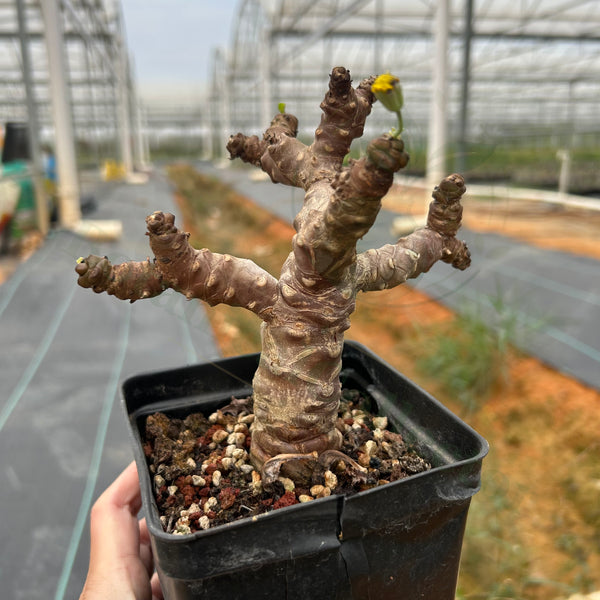
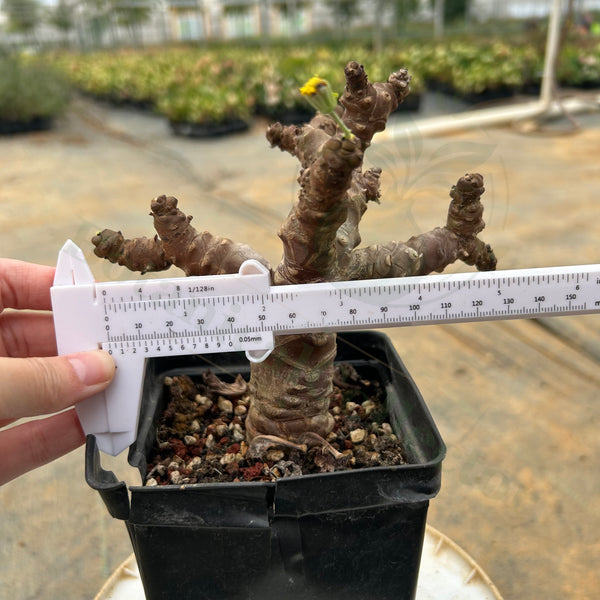
Plant selection You will receive the exact plant shown in the photos. In stock · 1 of 1
Quantity
Sales Type Retail, WYSIWYG
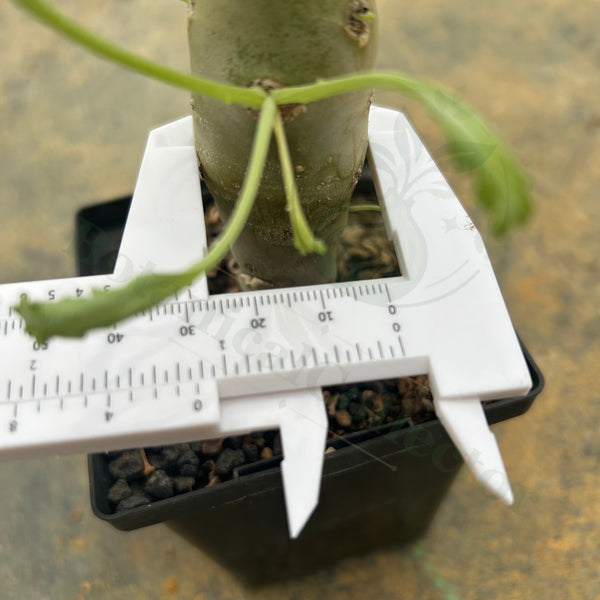
Plant size W15cm
Packaged Weight Actual packaged weight varies by product and root system. 0.6 kg
Propagation Method Seed-grown

Cataloged as

Description

Geographic & Climate

  • Geographic Coordinates: Approx. 28°36'S to 28°40'S, 17°10'E to 17°16'E (Type Locality: Rosyntjieberg, Central Richtersveld, Northern Cape, South Africa)

  • Climate Classification: Arid / Desert Climate (Köppen climate classification: BWh / BWk transitioning to Succulent Karoo winter-rainfall zone)

  • Habitat Characteristics: Altitude ranging from 700 to 1,000 meters above sea level. Strictly obligate to quartz rock crevices on sheer, south-facing cliffs (cremnophyte). Characterized by sparse, low winter rainfall (50–150 mm annually) with frequent coastal morning fogs and dry, hot summer atmospheric conditions. Growing substrate consists of highly drained, mineral-poor quartzitic soil within narrow rock fractures.

Botanical Morphology

  • Diagnostic Features: Erect to ascending, thick, succulent pachycaul shrublet with swollen, fleshy stems covered in smooth bark. Distinguished within the genus Othonna by its strict cliff-dwelling habit and distinct tufts of white, woolly or silky trichomes at the growing tips and leaf axils, protecting apical buds. Leaves are succulent, glaucous, semi-terete to spatulate, tightly clustered at branch tips. Yellow flower heads (capitula) are borne on short peduncles during its winter growth phase.

  • Growth Habit: Strict winter-grower; highly summer-deciduous, dropping its leaves in late spring while stems remain photosynthetically active. Extremely slow-growing species maintaining a dwarf, compact architectural form.

History & Etymology

  • Etymology: The generic name Othonna derives from the ancient Greek othone, meaning "linen" or "cloth," referencing the soft, woolly foliage or hairy seed pappus of certain species. The specific epithet cremnophila originates from the Greek kremnos (cliff/crag) and philos (loving), translating directly to "cliff-loving," referring to its specialized vertical rock habitat.

  • Historical Context: Described as a distinct species in 2005 by botanists Ernst van Jaarsveld and Bertil Nordenstam following field collections in the remote Rosyntjieberg mountains of the Richtersveld National Park. Due to its extreme habitat specialization on sheer cliffs inaccessible to livestock, it represents a classic localized endemic (extent of occurrence ~40 km²).

Care Guide

Essential Care Tips for Thriving Plants

Light

Provide partial to full sun. Most plants thrive on direct UV exposure. Avoid placing behind window glass, as it filters out the essential UV rays needed for healthy growth.

Water

Follow the "Soak and Dry" principle. Ensure the top 2–3 cm of soil is bone dry before watering (use the finger test). Reduce frequency in winter, but do not stop watering entirely.

Temperature

The ideal range is 18–35 °C. Maintain temperatures above 5 °C during winter. Please note that temperatures below 0 °C pose a significant risk of plant death.

Humidity

Best kept at 30–50% humidity. Note: High air humidity is not a substitute for root watering. Avoid overly damp areas to prevent root rot or leggy side shoots.

Soil

A loose, well-draining medium is ideal. A mix containing 50–70% grit or mineral soil is recommended for aeration. Outdoor ground planting is also a viable option.

Fertilizer

Fertilize during repotting using Osmocote A2 slow-release fertilizer. Apply sparingly twice a year, or adjust the fertilizer type based on your specific home environment.

Planting Guide

Start Your Green Journey in 4 Steps

Unbox & Inspect

Carefully unpack and inspect the plant’s body and roots. We recommend taking photos or videos immediately for your records. Place it in a shaded, well-ventilated spot for 1–2 days to acclimate to its new environment.

Potting & Placement

After 24 hours of rest, pot the plant using slightly moistened soil. Place it in a bright, airy location to encourage recovery. Keep away from AC vents or heaters to prevent damage from temperature fluctuations.

First Watering

Use water that has sat for at least 24 hours. If using the damp-potting method, wait 2–3 days before the first watering. Ensure a thorough soak until water drains freely from the bottom.

Daily Care

Monitor leaf condition and soil moisture daily. If the soil remains damp, increase ventilation rather than watering. Proper airflow is essential to prevent root rot and ensure lasting health.