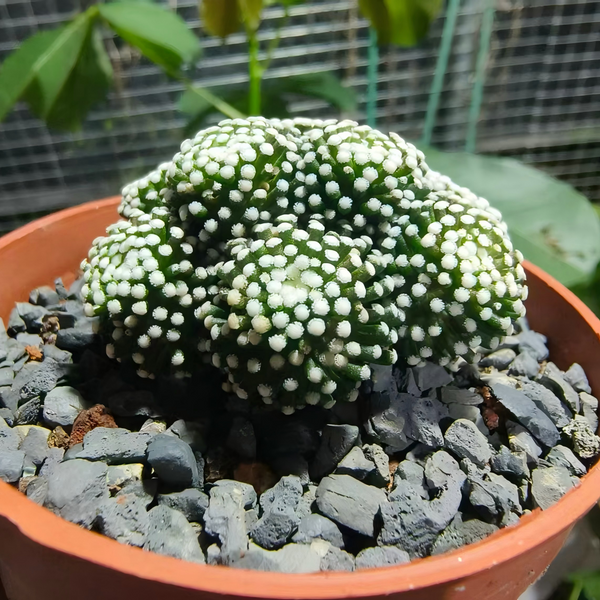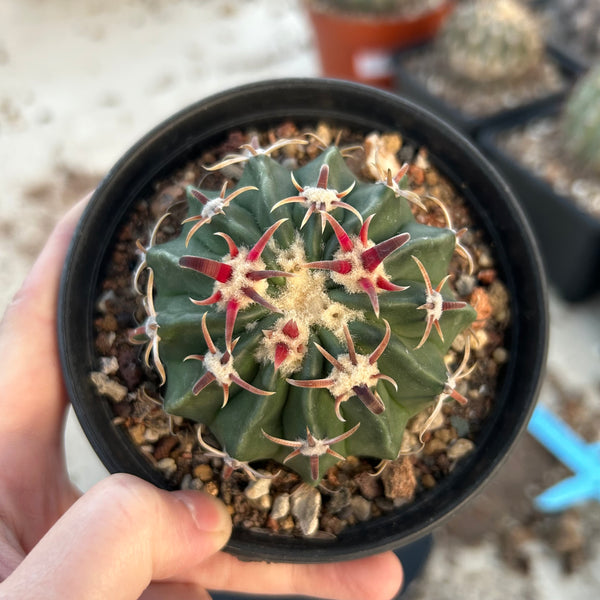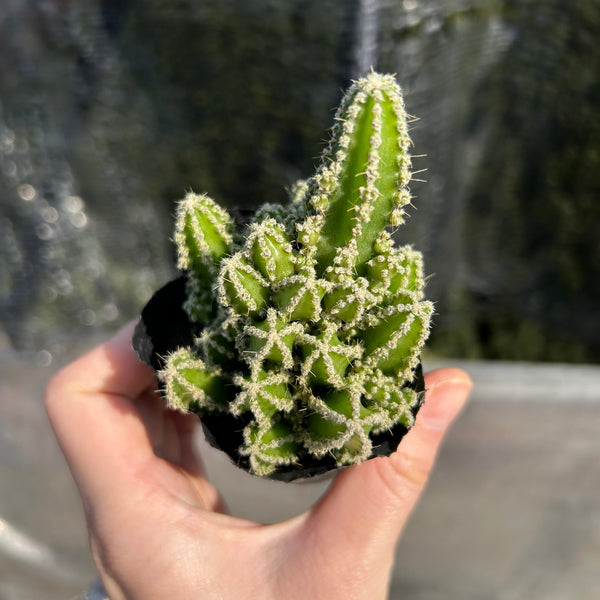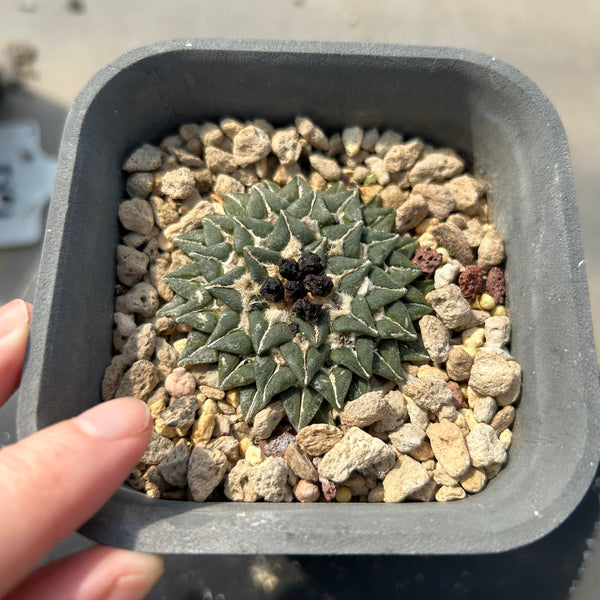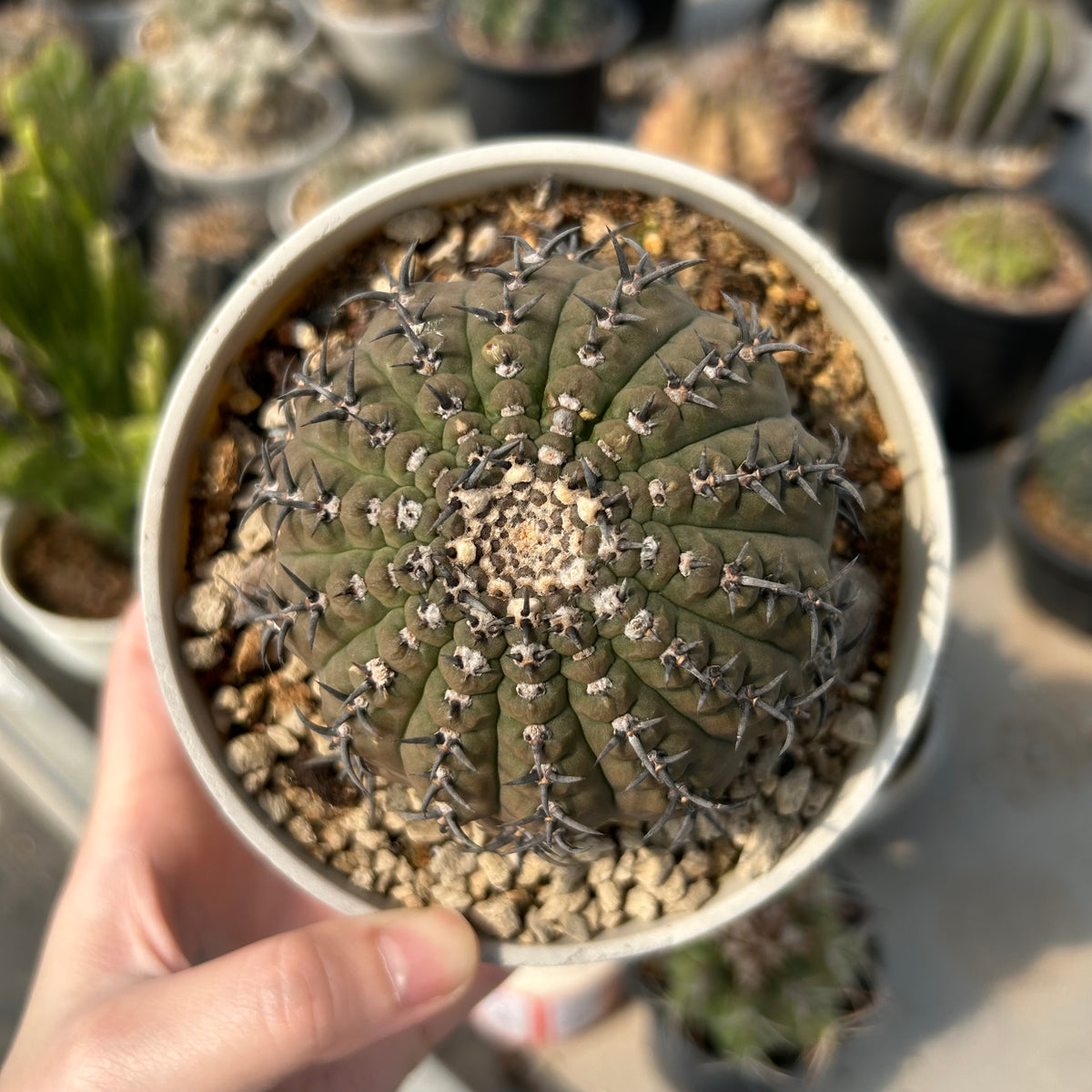
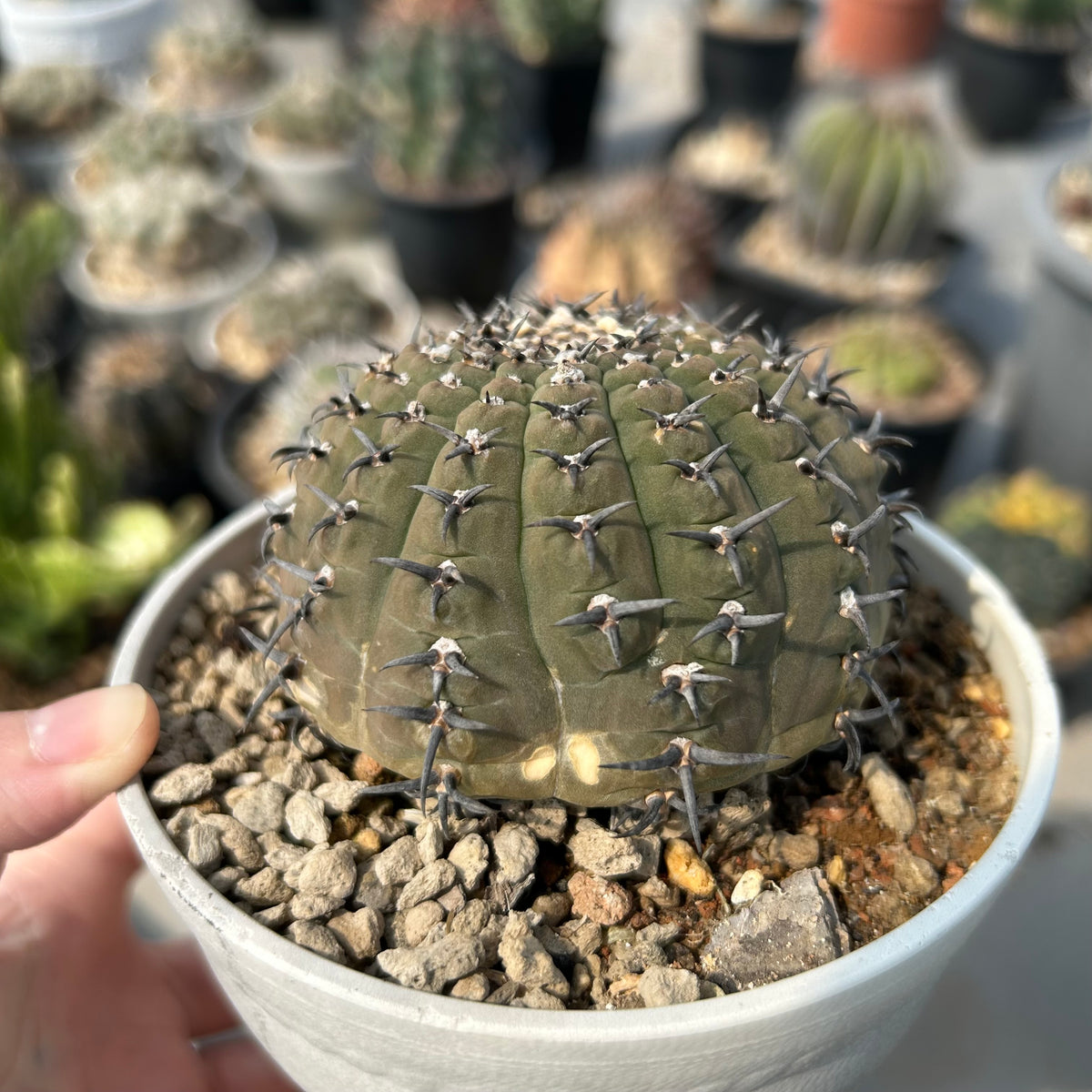
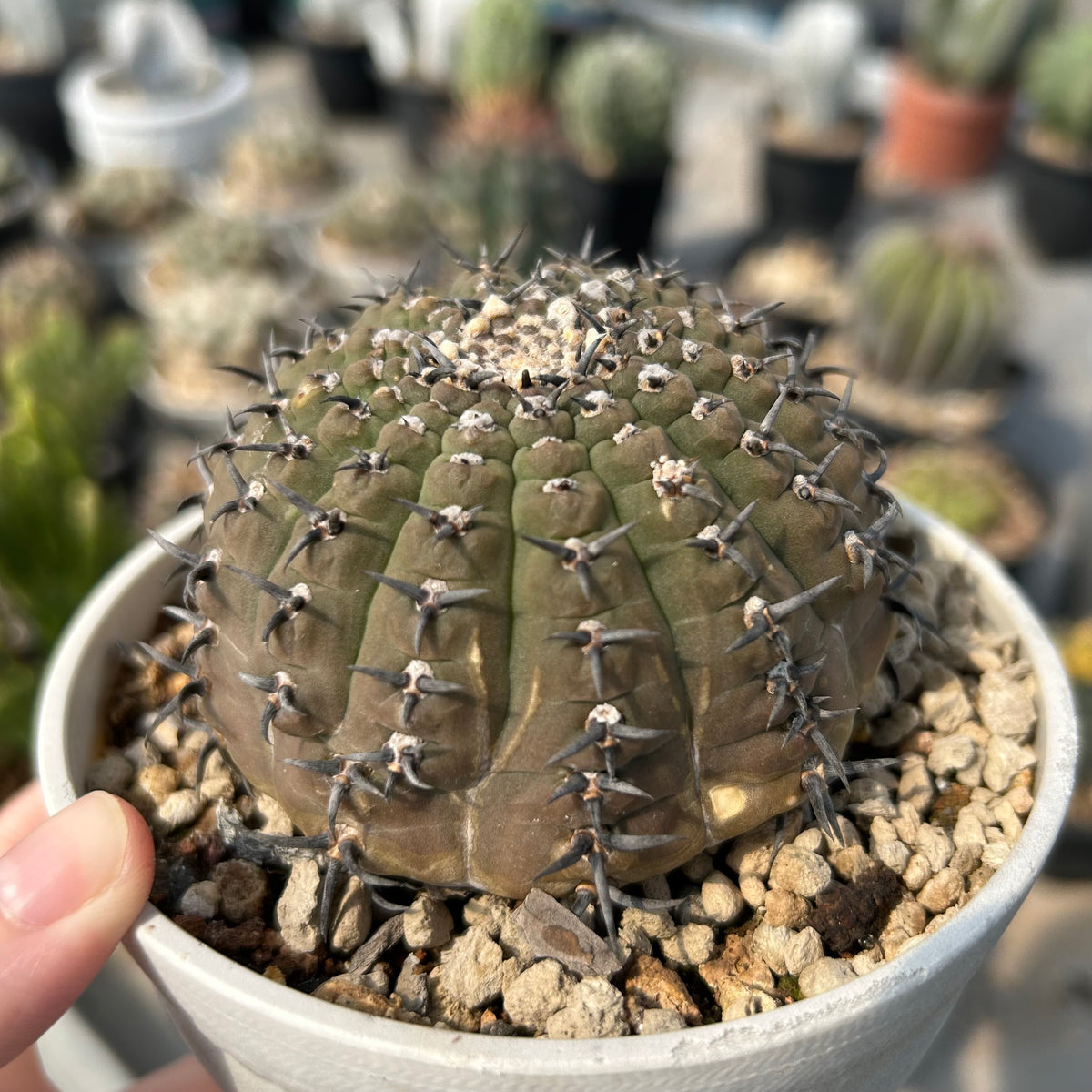
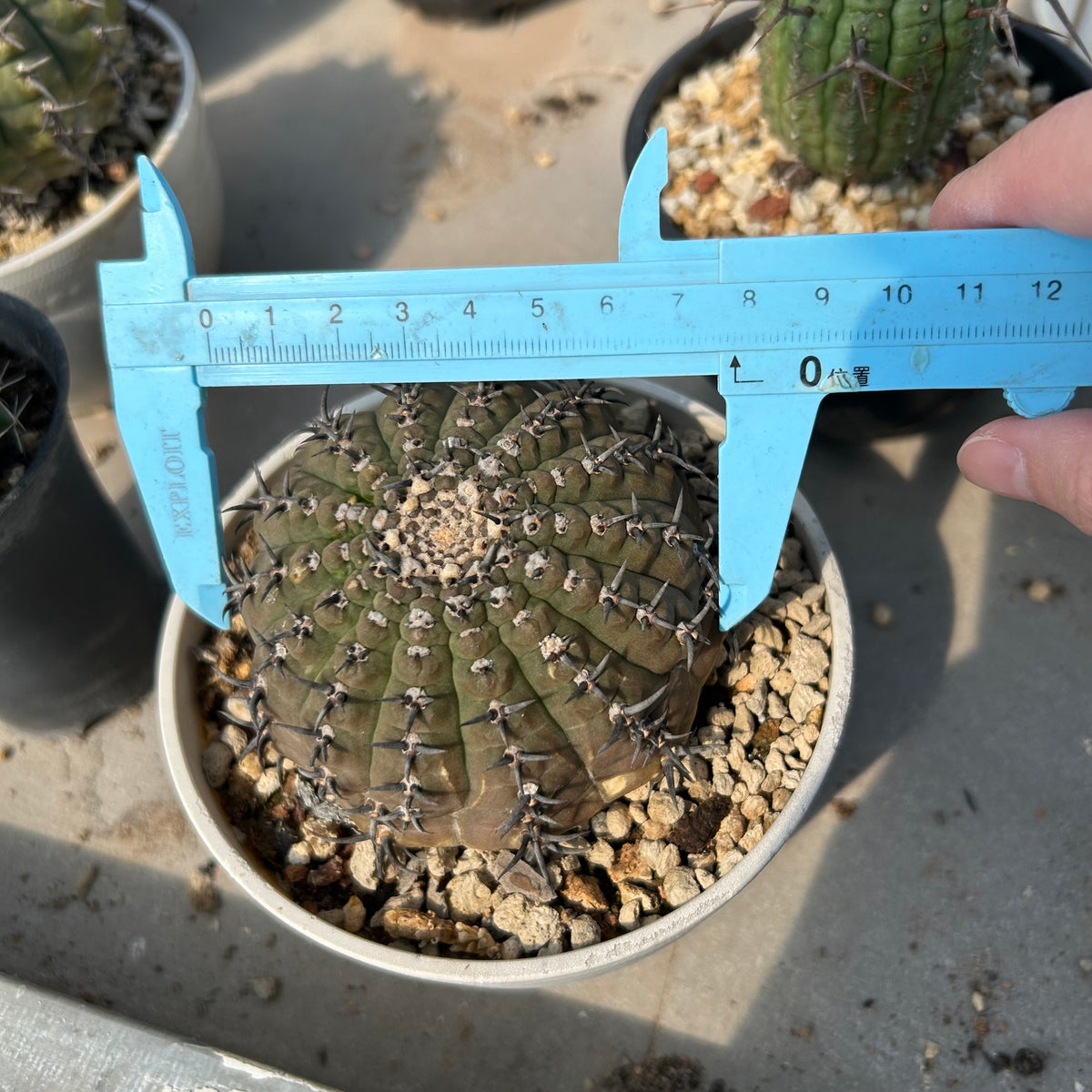
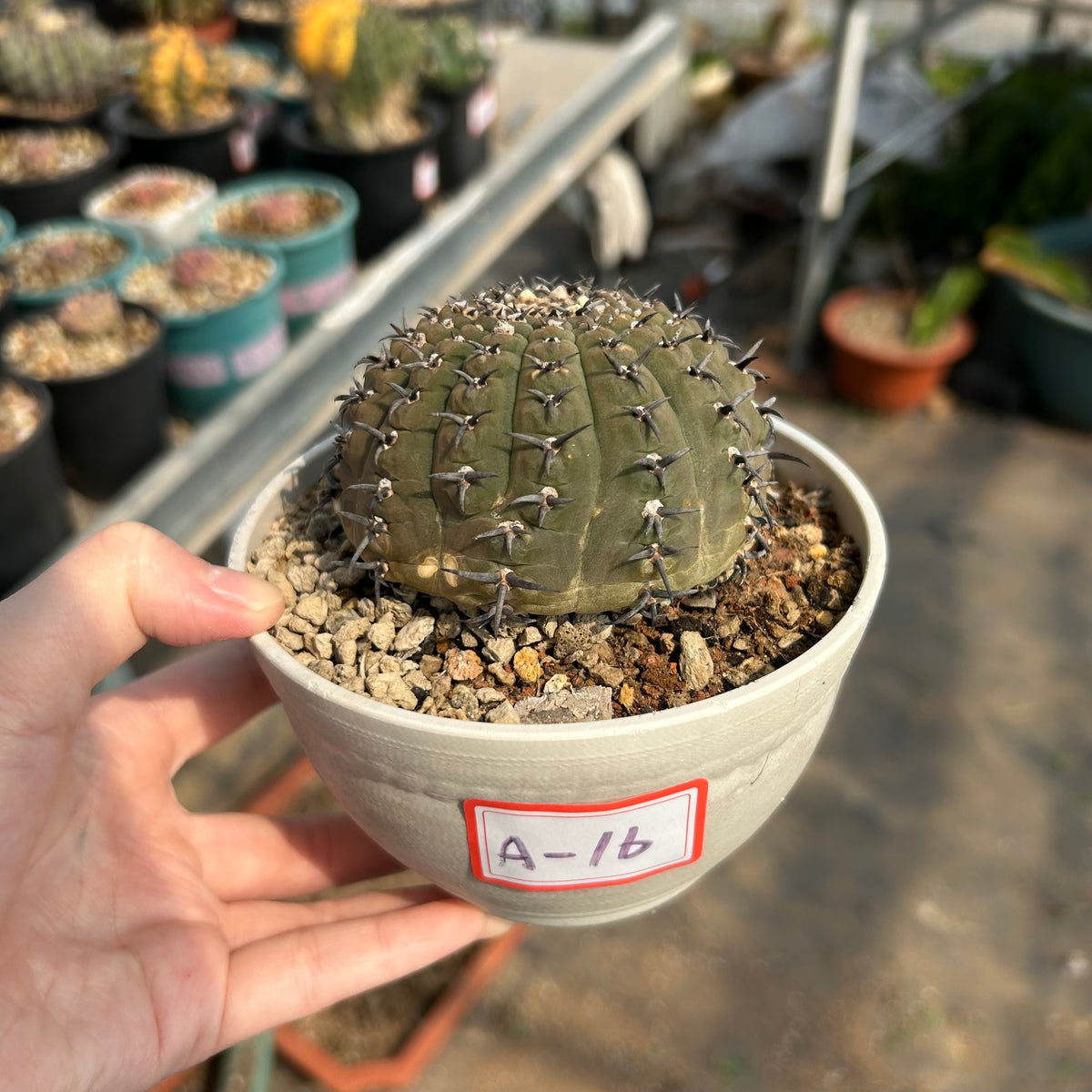
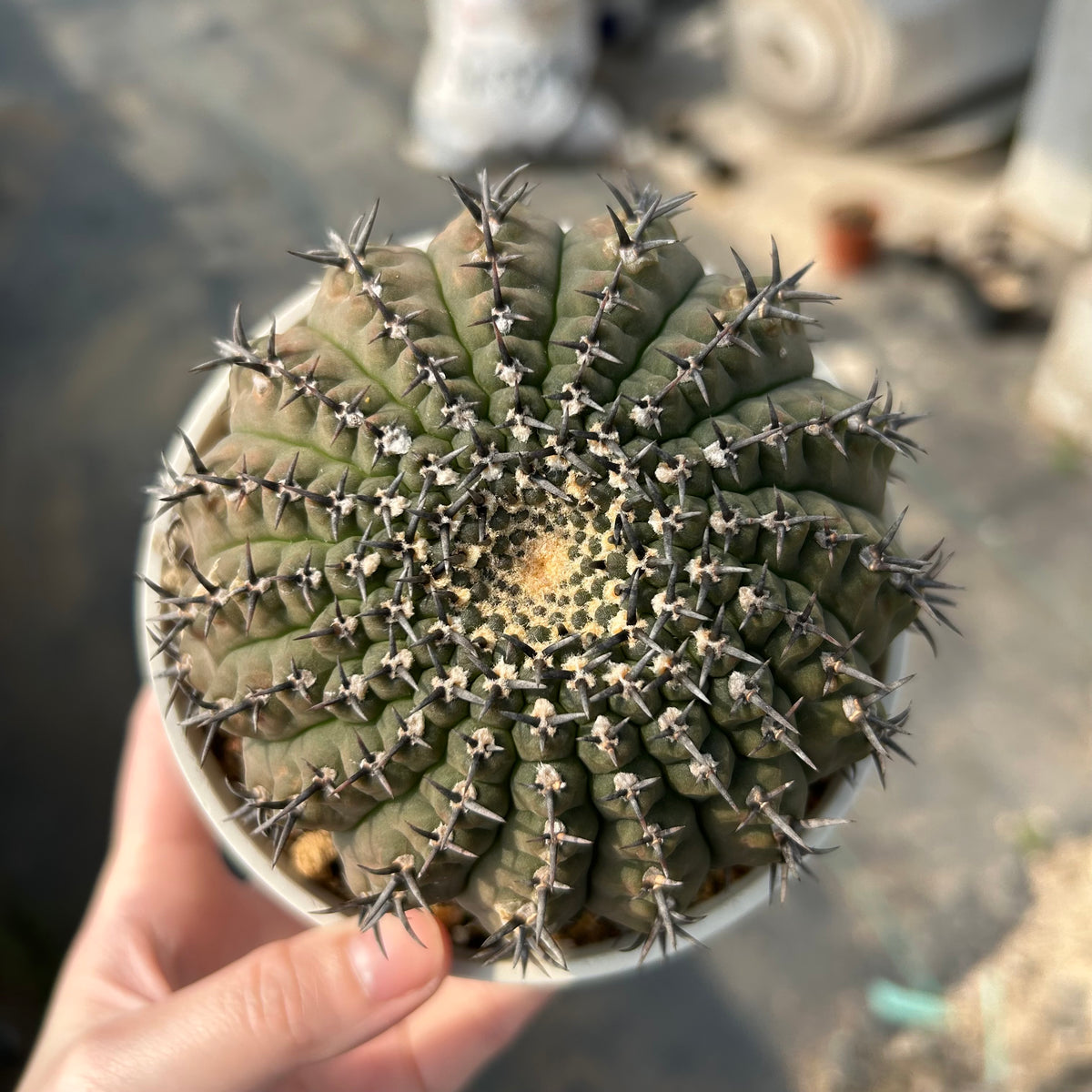
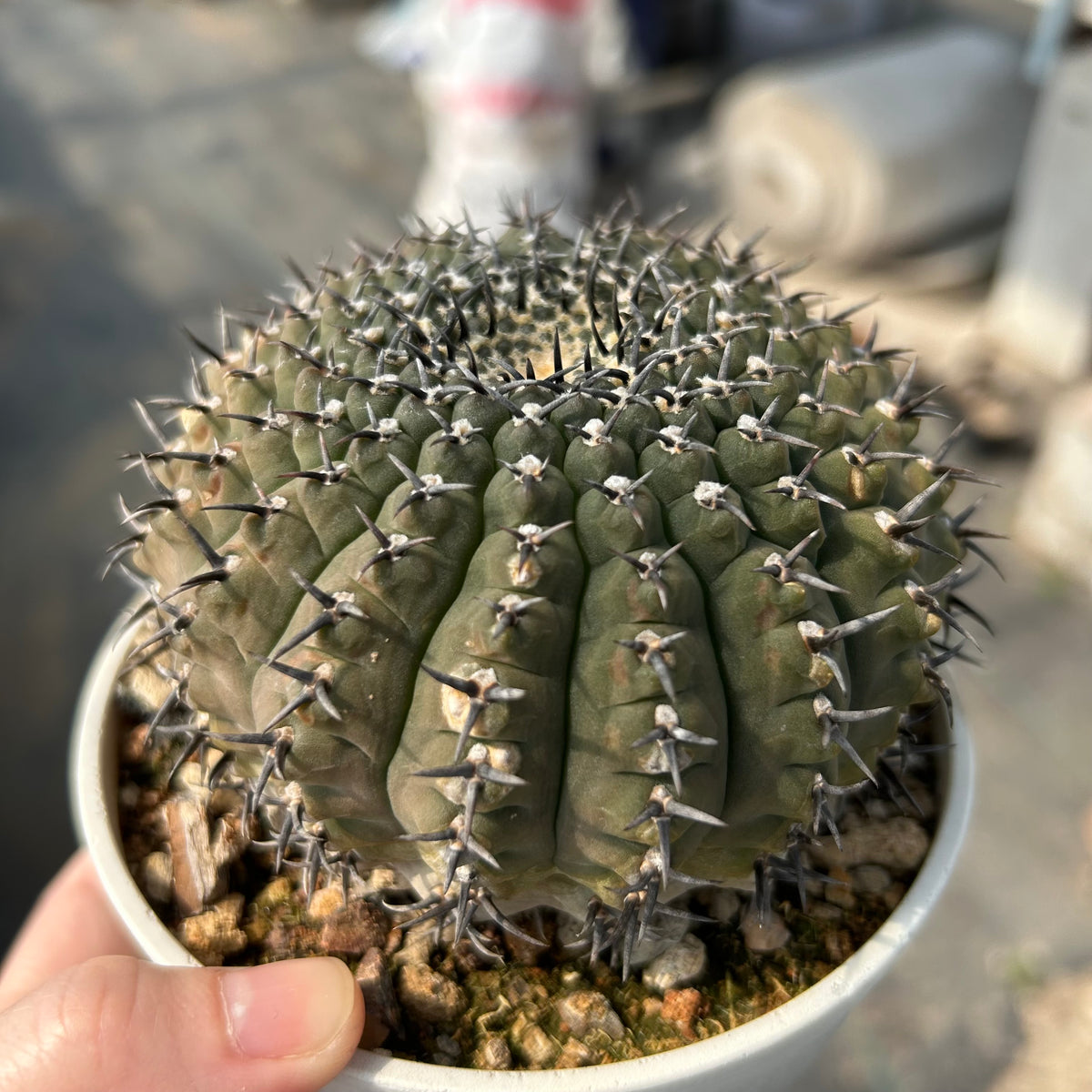
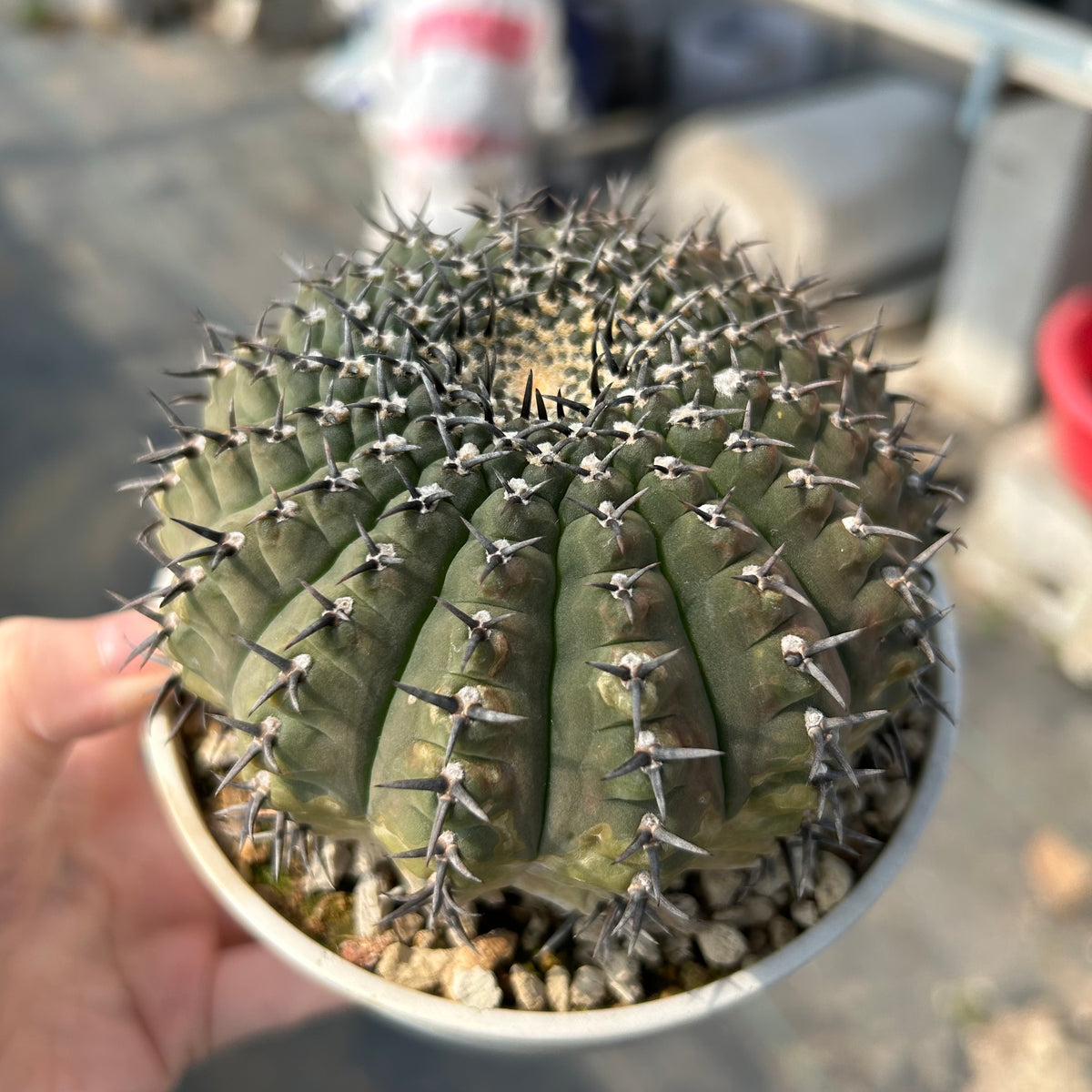
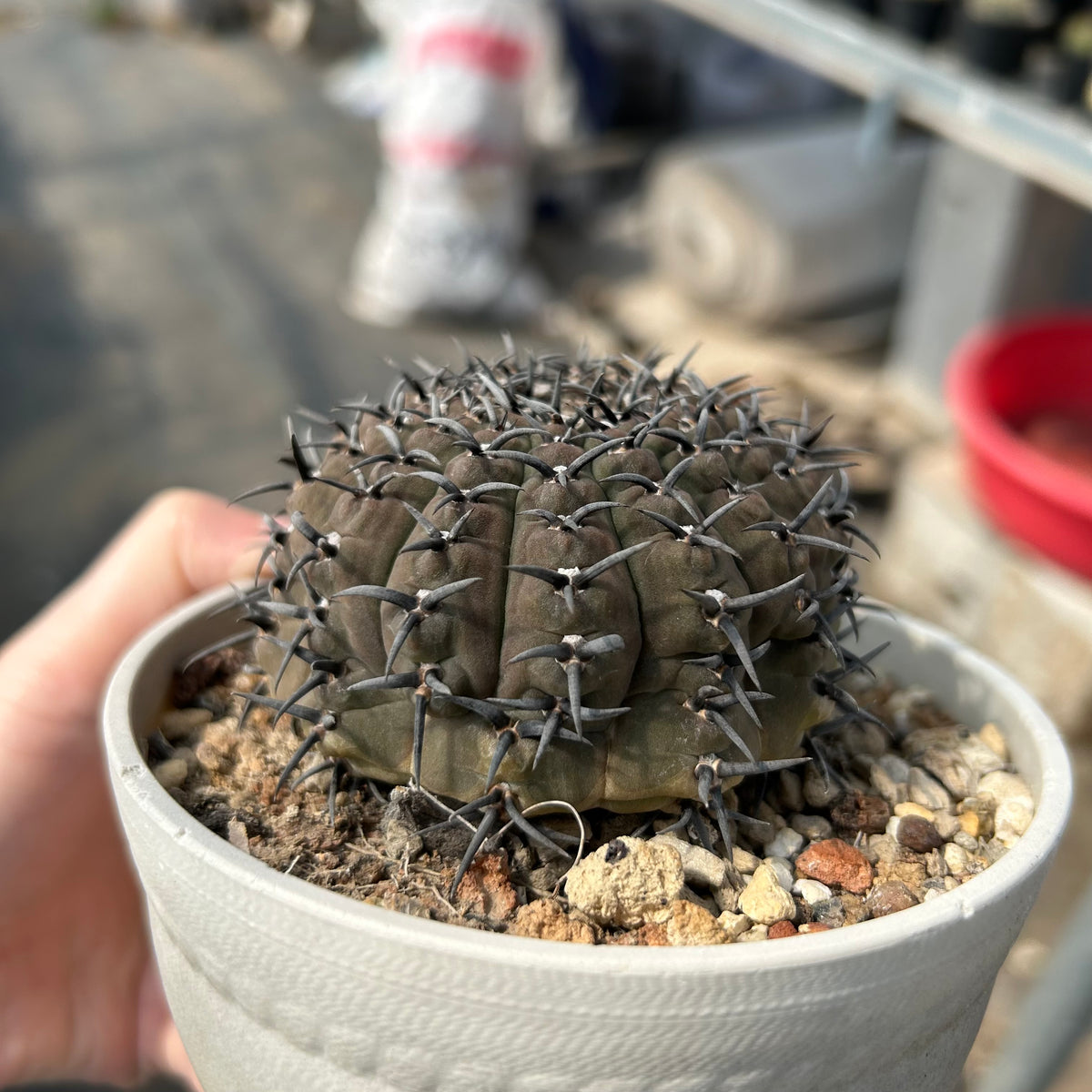
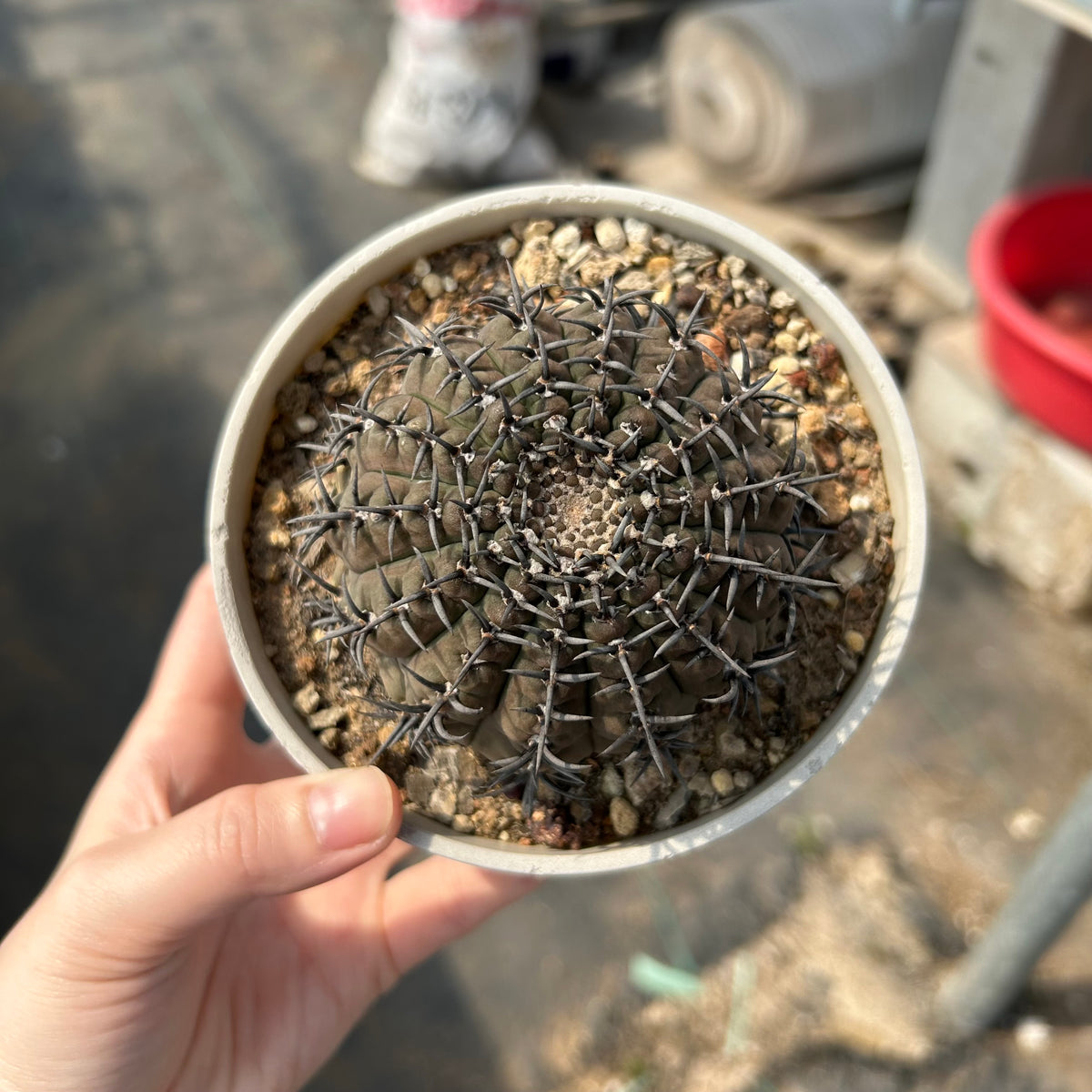
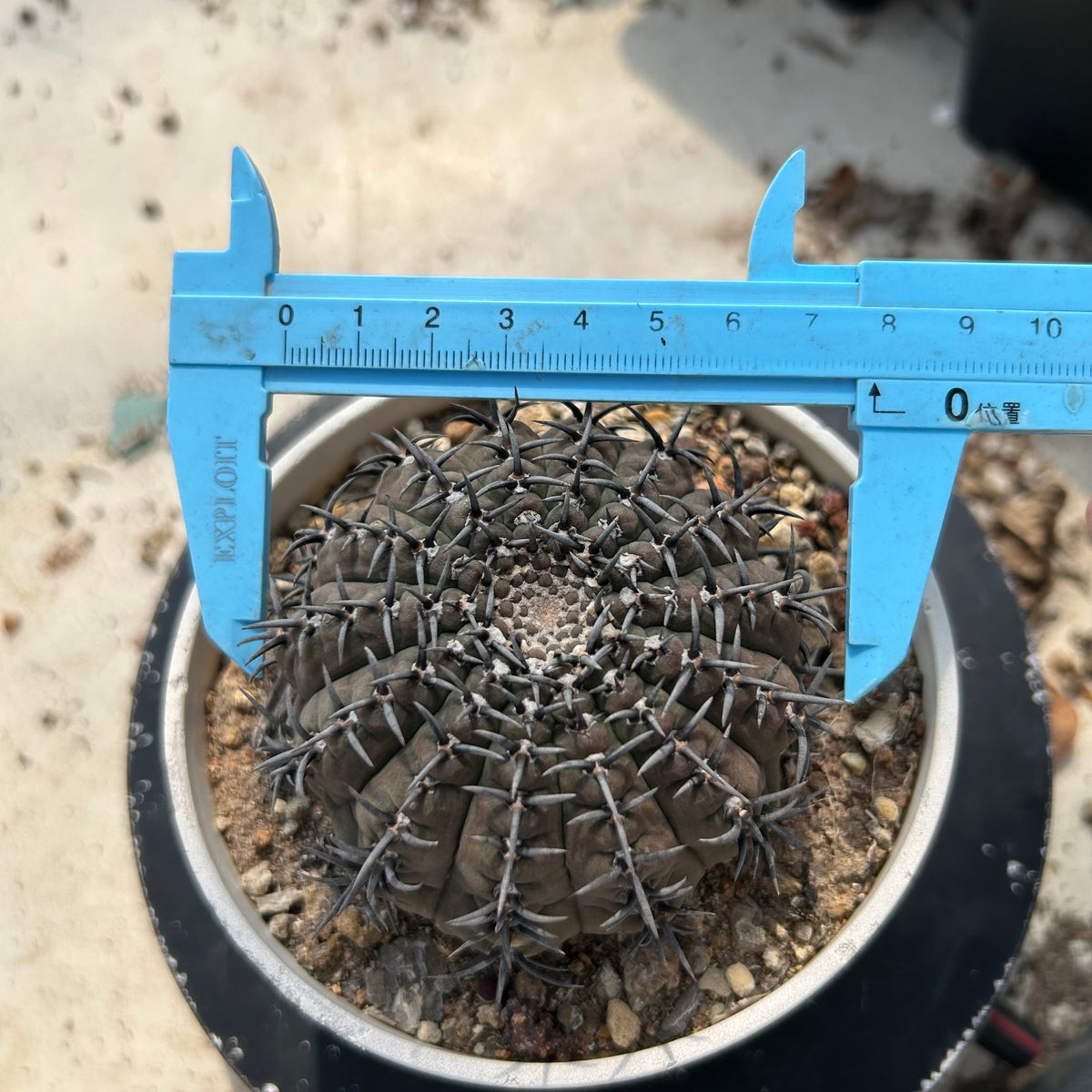
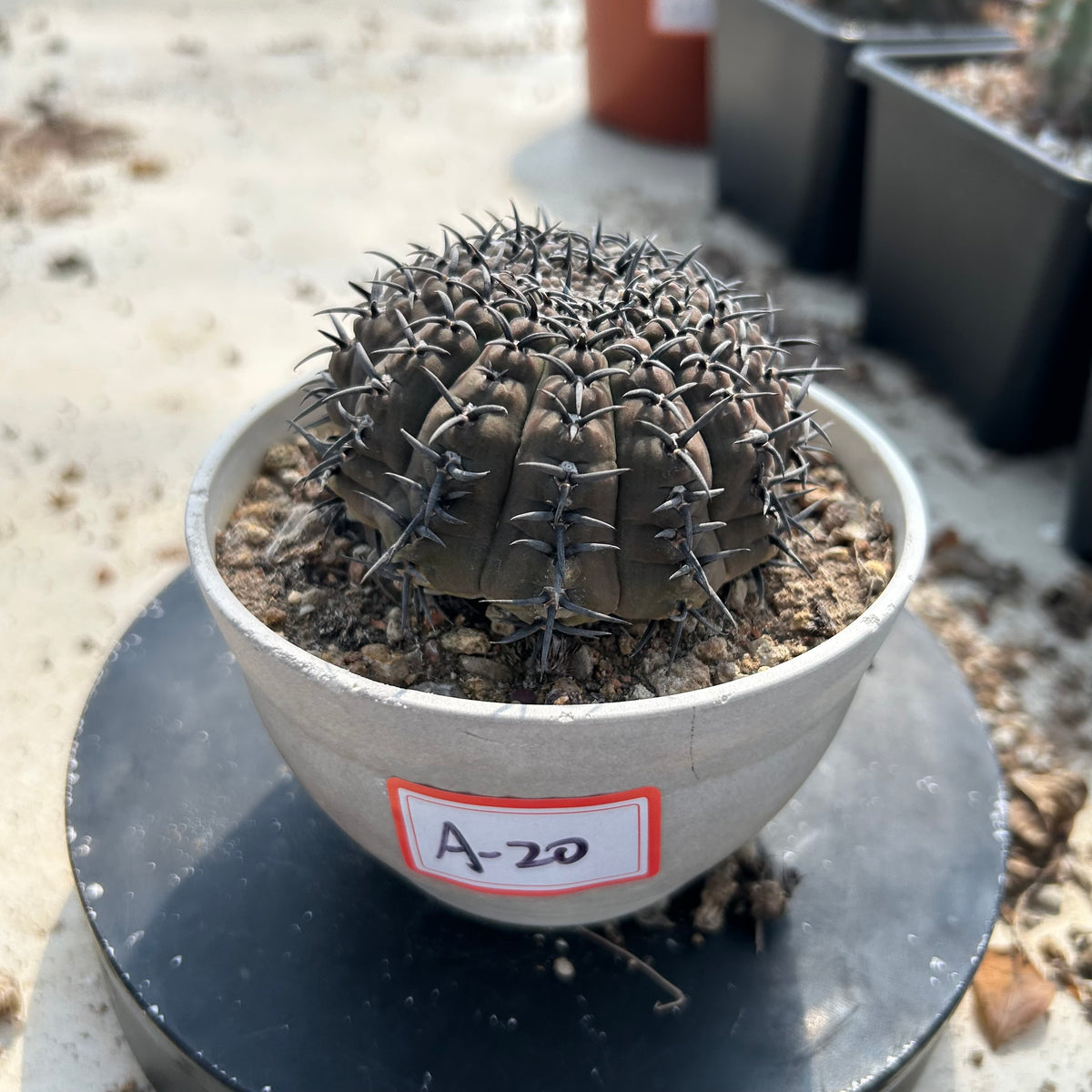
Gymnocalycium bodenbenderianum | WYSIWYG

BotanicalCollector

4.9 · Premium
Out of Stock
$ 40.00 / plant
Attribute Option
Quantity Qty
1
International Logistics
Unbeatable Quality
All The Help You Need
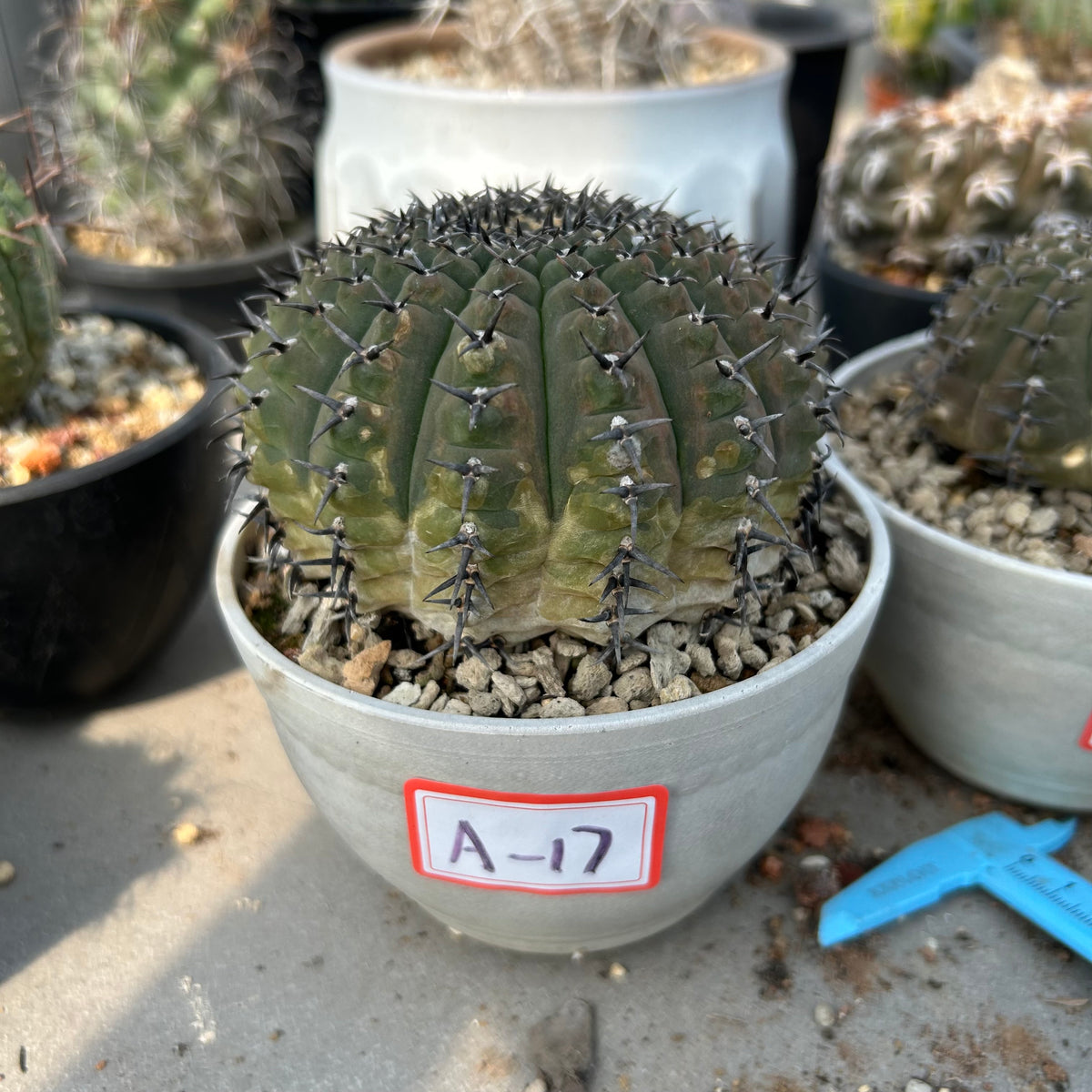
Sales Type Retail, WYSIWYG
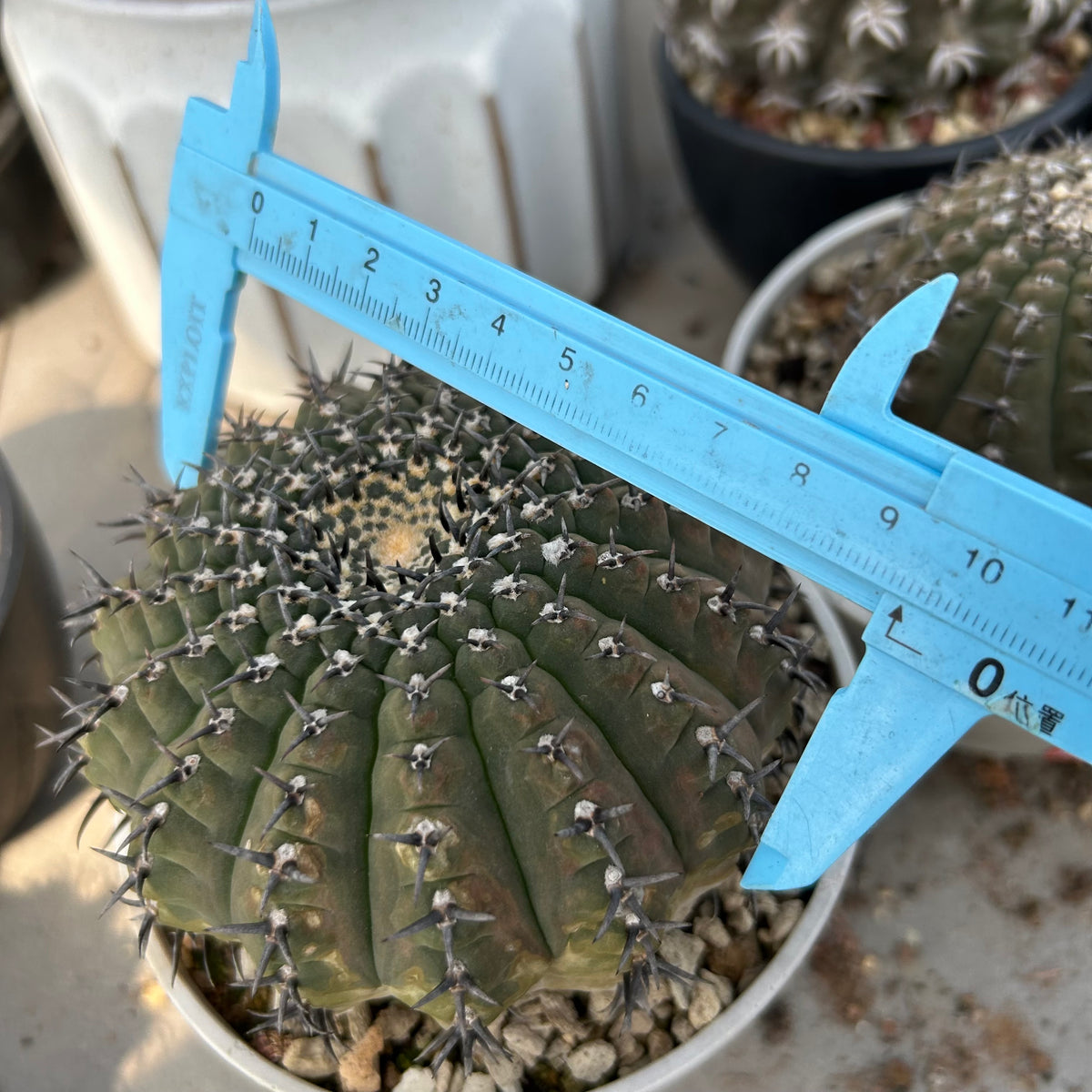
Product Size W7-10CM
Weight 0.4 kg
Propagation Method Seed-grown
Genus Gymnocalycium

Description

Origin

Gymnocalycium bodenbenderianum is native to the dry inter-mountain basins of north-central Argentina, principally La Rioja and northern San Juan provinces (South America). It was described by Hosseus from material collected in the foothills of the Sierra de Velasco, and remains one of the most prized "earth-star" gymnos for collectors due to its tendency to sit half-buried in stony ground, almost invisible until it flowers.

Habitat

In its natural environment, this species is a specialist of the Monte semi-desert on stony bajadas at altitudes around 600–1200 meters above sea level. It grows on coarse alluvial gravels mixed with thin reddish loams over granitic and metamorphic bedrock, where rainfall is concentrated in short summer thunderstorms. During prolonged drought it contracts strongly and pulls itself flush with the gravel surface, mimicking a flat stone and escaping both grazers and extreme insolation.

Description

Gymnocalycium bodenbenderianum is a flat, disc-like cactus regarded by collectors as one of the most distinctive "earth-star" species of the genus.

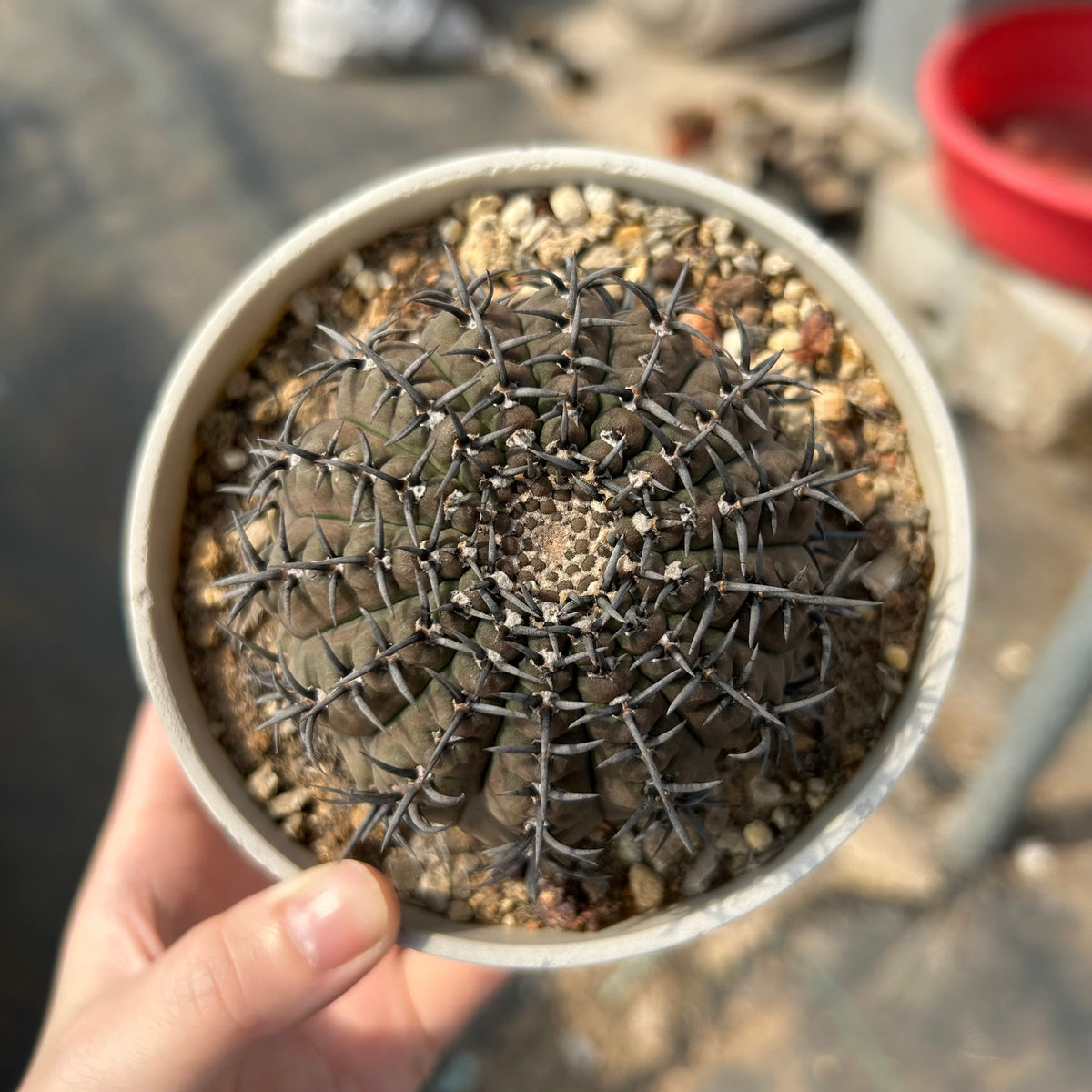
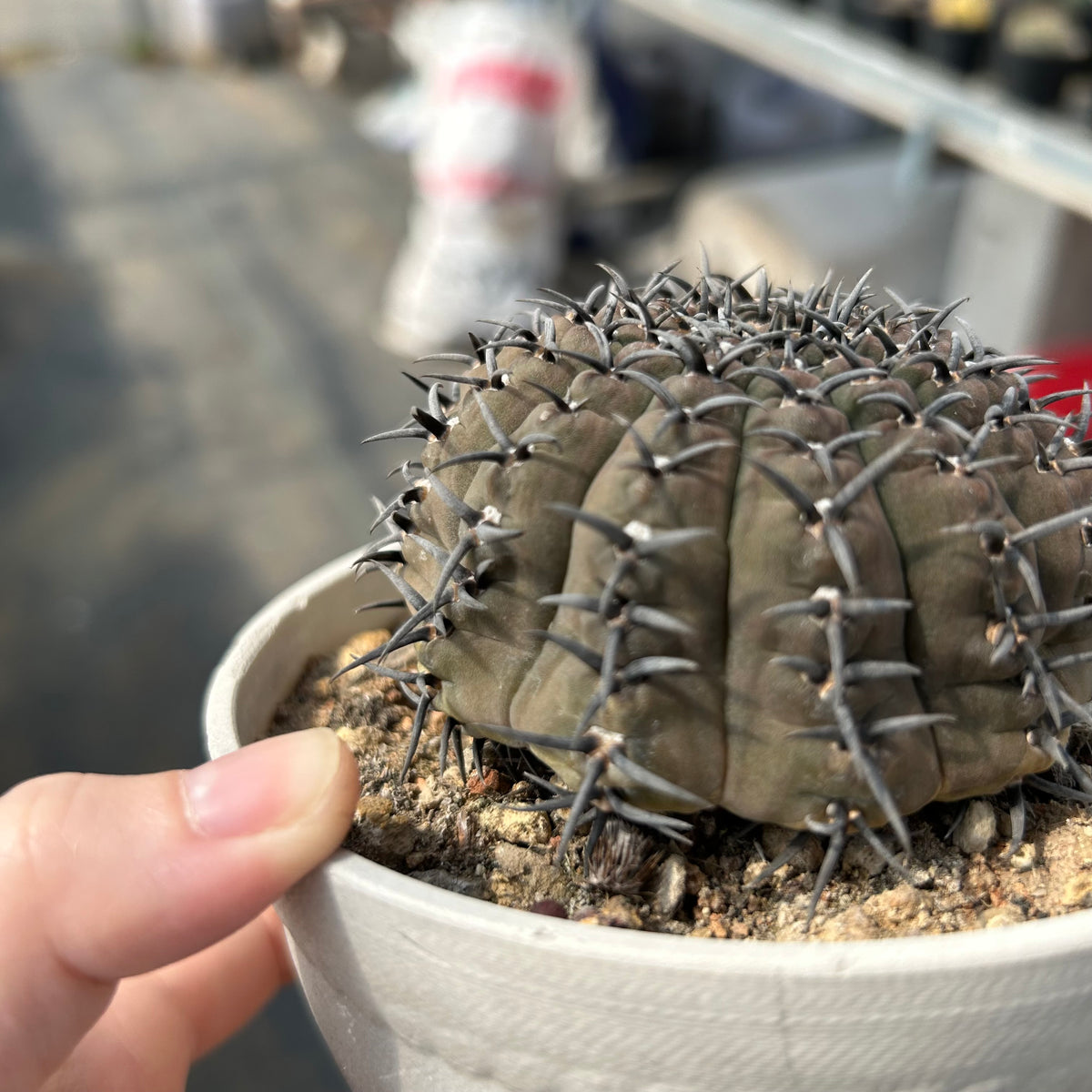
Size & Stem: Solitary, depressed-globose to almost flat, typically 6–9 cm in diameter and only 2–3 cm tall above ground, with a matte epidermis ranging from olive-grey to dark bronze depending on sun exposure.

Roots: A stout, contractile taproot with a thickened upper section that lets the plant retract below the soil surface during drought; this organ is critical to the species' field-stone disguise.

Ribs & Spines: 11–14 low, broad, tubercled ribs separated by sinuous transverse furrows; areoles bear only 3–5 short, recurved, blackish-grey spines pressed flat against the body, with no central spines — a key trait separating it from the spinier G. ochoterenae complex.

Flowers: Spring to early summer; funnelform blooms 3.5–5 cm wide, opening from the crown, with creamy-white to pale pink petals and a deeper rose throat, often produced in succession over several weeks.

Cultivation: Slow-growing and very rot-prone on its own roots; thrives in a strictly mineral, sharply drained substrate with minimal organic matter. Provide bright filtered light, generous summer ventilation, and a completely dry, cool winter rest near 5–8 °C to set buds and preserve the flat earth-star silhouette.

Care Guide

Essential Care Tips for Thriving Plants

Light

Provide partial to full sun. Most plants thrive on direct UV exposure. Avoid placing behind window glass, as it filters out the essential UV rays needed for healthy growth.

Water

Follow the "Soak and Dry" principle. Ensure the top 2–3 cm of soil is bone dry before watering (use the finger test). Reduce frequency in winter, but do not stop watering entirely.

Temperature

The ideal range is 18–35 °C. Maintain temperatures above 5 °C during winter. Please note that temperatures below 0 °C pose a significant risk of plant death.

Humidity

Best kept at 30–50% humidity. Note: High air humidity is not a substitute for root watering. Avoid overly damp areas to prevent root rot or leggy side shoots.

Soil

A loose, well-draining medium is ideal. A mix containing 50–70% grit or mineral soil is recommended for aeration. Outdoor ground planting is also a viable option.

Fertilizer

Fertilize during repotting using Osmocote A2 slow-release fertilizer. Apply sparingly twice a year, or adjust the fertilizer type based on your specific home environment.

Planting Guide

Start Your Green Journey in 4 Steps

01

Unbox & Inspect

Carefully unpack and inspect the plant’s body and roots. We recommend taking photos or videos immediately for your records. Place it in a shaded, well-ventilated spot for 1–2 days to acclimate to its new environment.

02

Potting & Placement

After 24 hours of rest, pot the plant using slightly moistened soil. Place it in a bright, airy location to encourage recovery. Keep away from AC vents or heaters to prevent damage from temperature fluctuations.

03

First Watering

Use water that has sat for at least 24 hours. If using the damp-potting method, wait 2–3 days before the first watering. Ensure a thorough soak until water drains freely from the bottom.

04

Daily Care

Monitor leaf condition and soil moisture daily. If the soil remains damp, increase ventilation rather than watering. Proper airflow is essential to prevent root rot and ensure lasting health.