Cold Weather Notice: If your local 7-day forecast shows temperatures below 50°F (10°C), please contact us via the bottom-right chat icon or email.
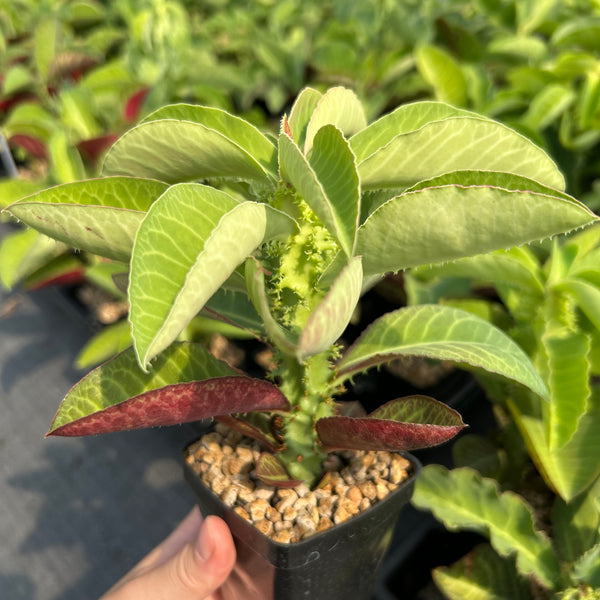
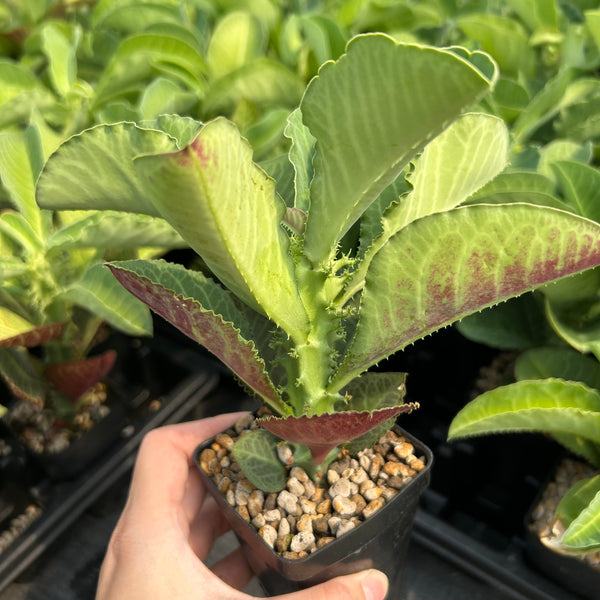
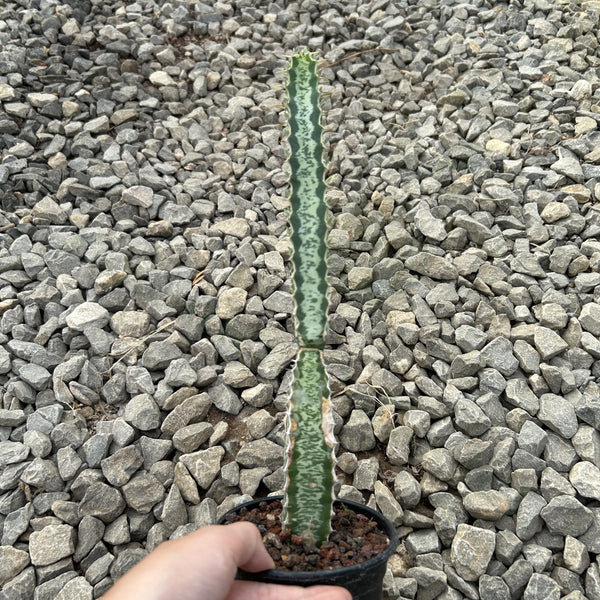
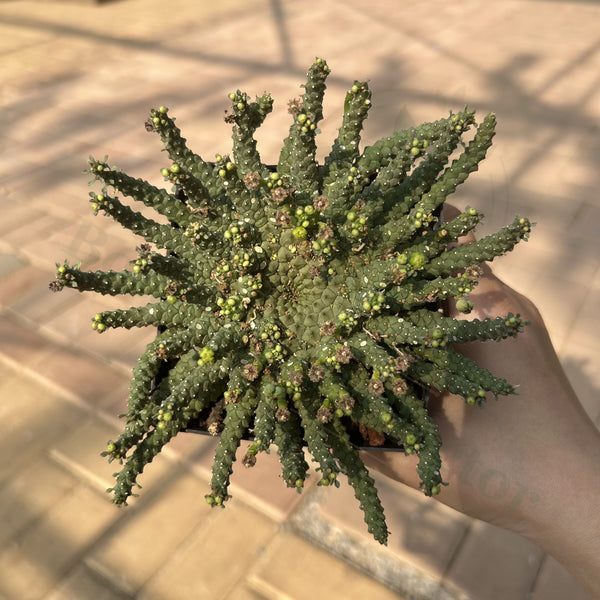
Euphorbia spectabilis / Monadenium spectabili
| Sales Type | Retail, Same Batch |
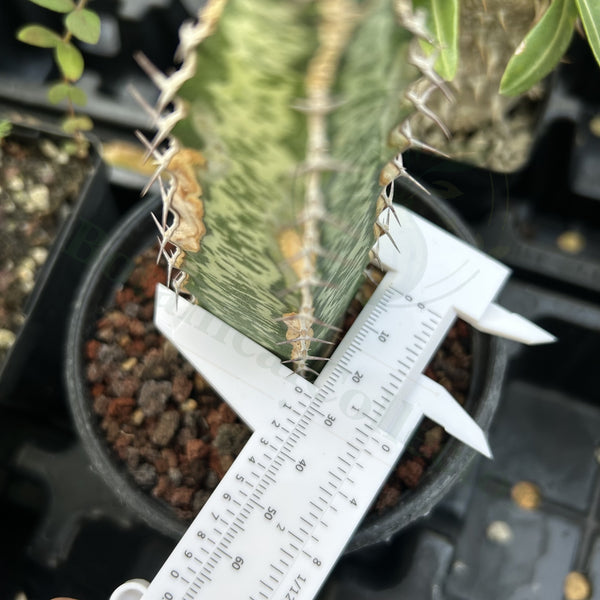
| Product Size | W3-4cm |
| Packaged Weight Actual packaged weight varies by product and root system. See related articles for details. | 0.3 kg |
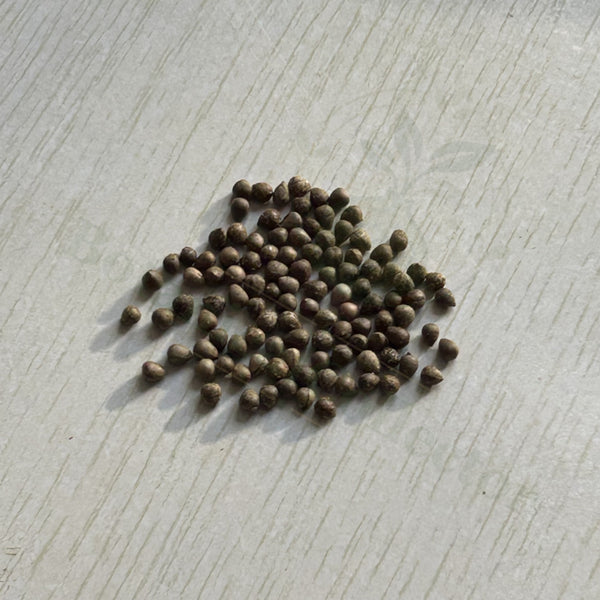
| Propagation Method | Seed-grown |
Cataloged as
Related articles

Essential Care Tips for Thriving Plants
Light
Provide partial to full sun. Most plants thrive on direct UV exposure. Avoid placing behind window glass, as it filters out the essential UV rays needed for healthy growth.
Water
Follow the "Soak and Dry" principle. Ensure the top 2–3 cm of soil is bone dry before watering (use the finger test). Reduce frequency in winter, but do not stop watering entirely.
Temperature
The ideal range is 18–35 °C. Maintain temperatures above 5 °C during winter. Please note that temperatures below 0 °C pose a significant risk of plant death.
Humidity
Best kept at 30–50% humidity. Note: High air humidity is not a substitute for root watering. Avoid overly damp areas to prevent root rot or leggy side shoots.
Soil
A loose, well-draining medium is ideal. A mix containing 50–70% grit or mineral soil is recommended for aeration. Outdoor ground planting is also a viable option.
Fertilizer
Fertilize during repotting using Osmocote A2 slow-release fertilizer. Apply sparingly twice a year, or adjust the fertilizer type based on your specific home environment.
Start Your Green Journey in 4 Steps
Unbox & Inspect
Carefully unpack and inspect the plant’s body and roots. We recommend taking photos or videos immediately for your records. Place it in a shaded, well-ventilated spot for 1–2 days to acclimate to its new environment.
Potting & Placement
After 24 hours of rest, pot the plant using slightly moistened soil. Place it in a bright, airy location to encourage recovery. Keep away from AC vents or heaters to prevent damage from temperature fluctuations.
First Watering
Use water that has sat for at least 24 hours. If using the damp-potting method, wait 2–3 days before the first watering. Ensure a thorough soak until water drains freely from the bottom.
Daily Care
Monitor leaf condition and soil moisture daily. If the soil remains damp, increase ventilation rather than watering. Proper airflow is essential to prevent root rot and ensure lasting health.
More Rare Plants You May Like