Plant Space
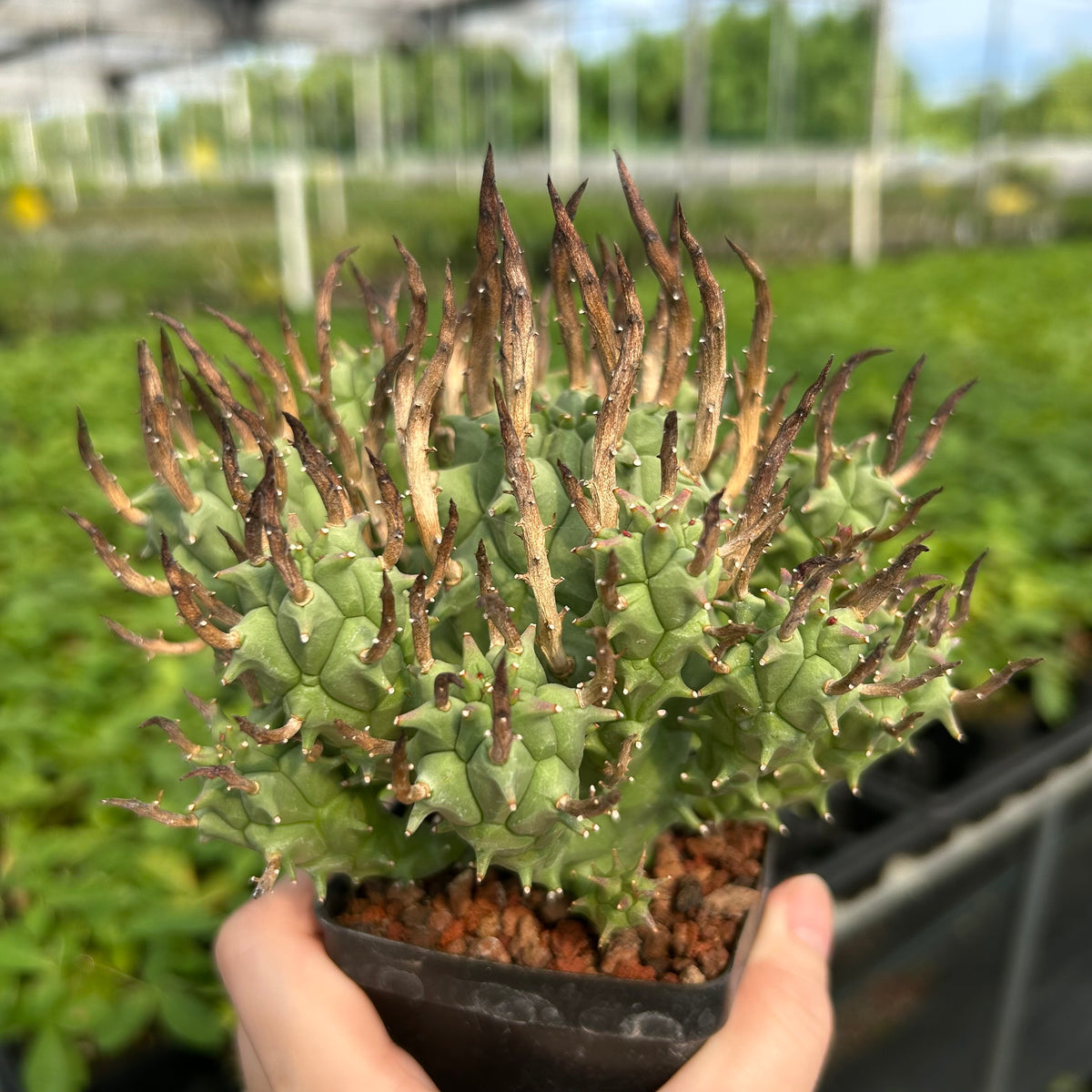
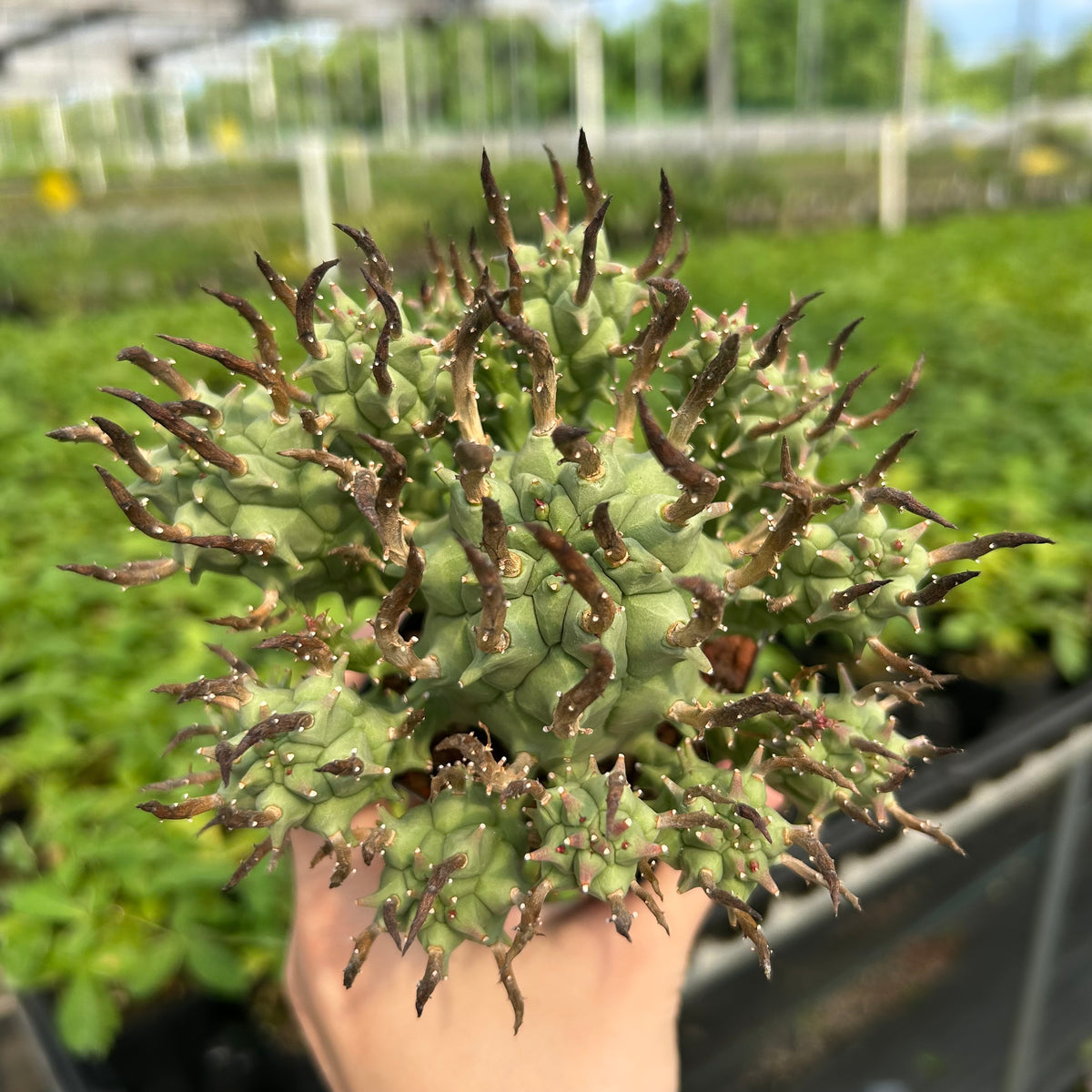
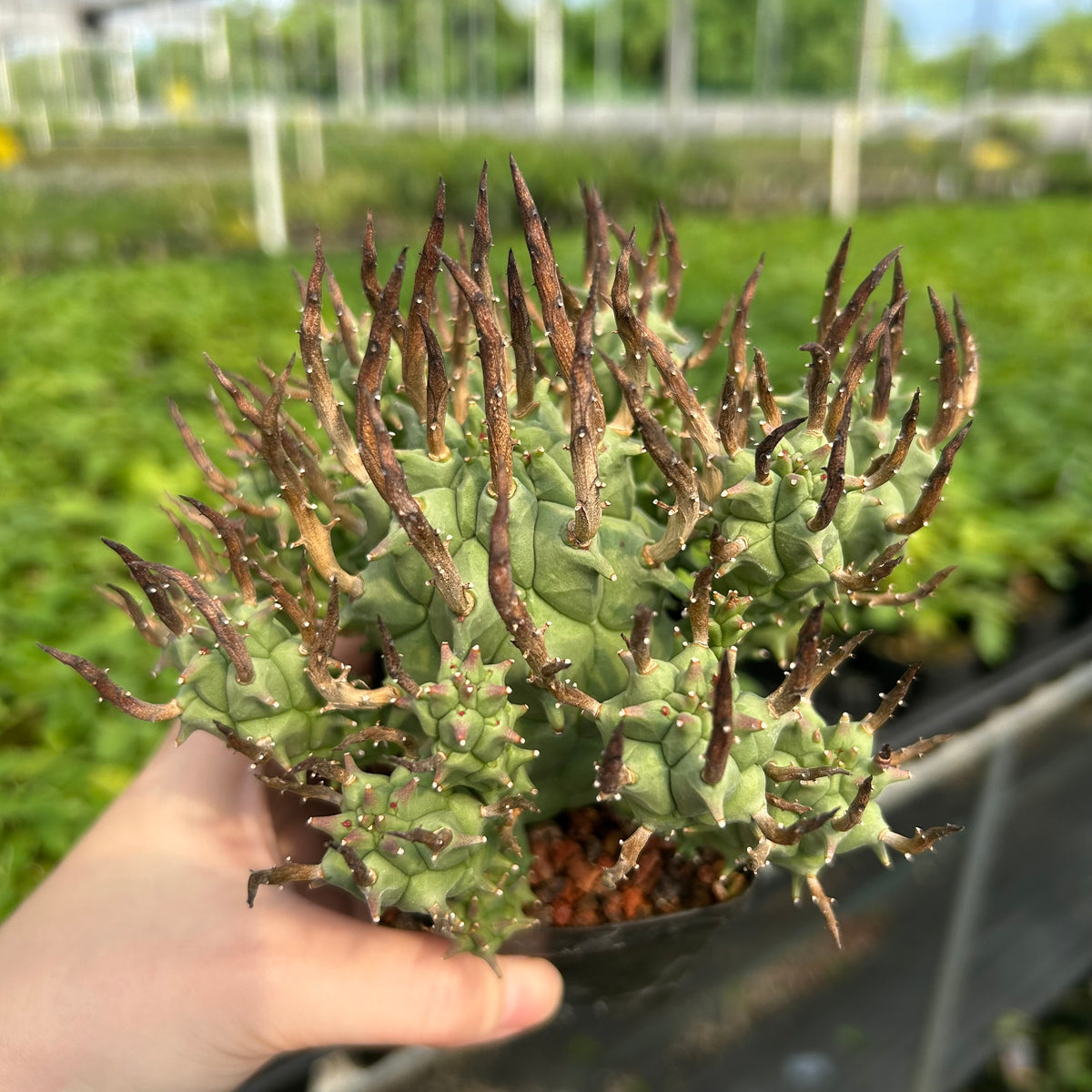
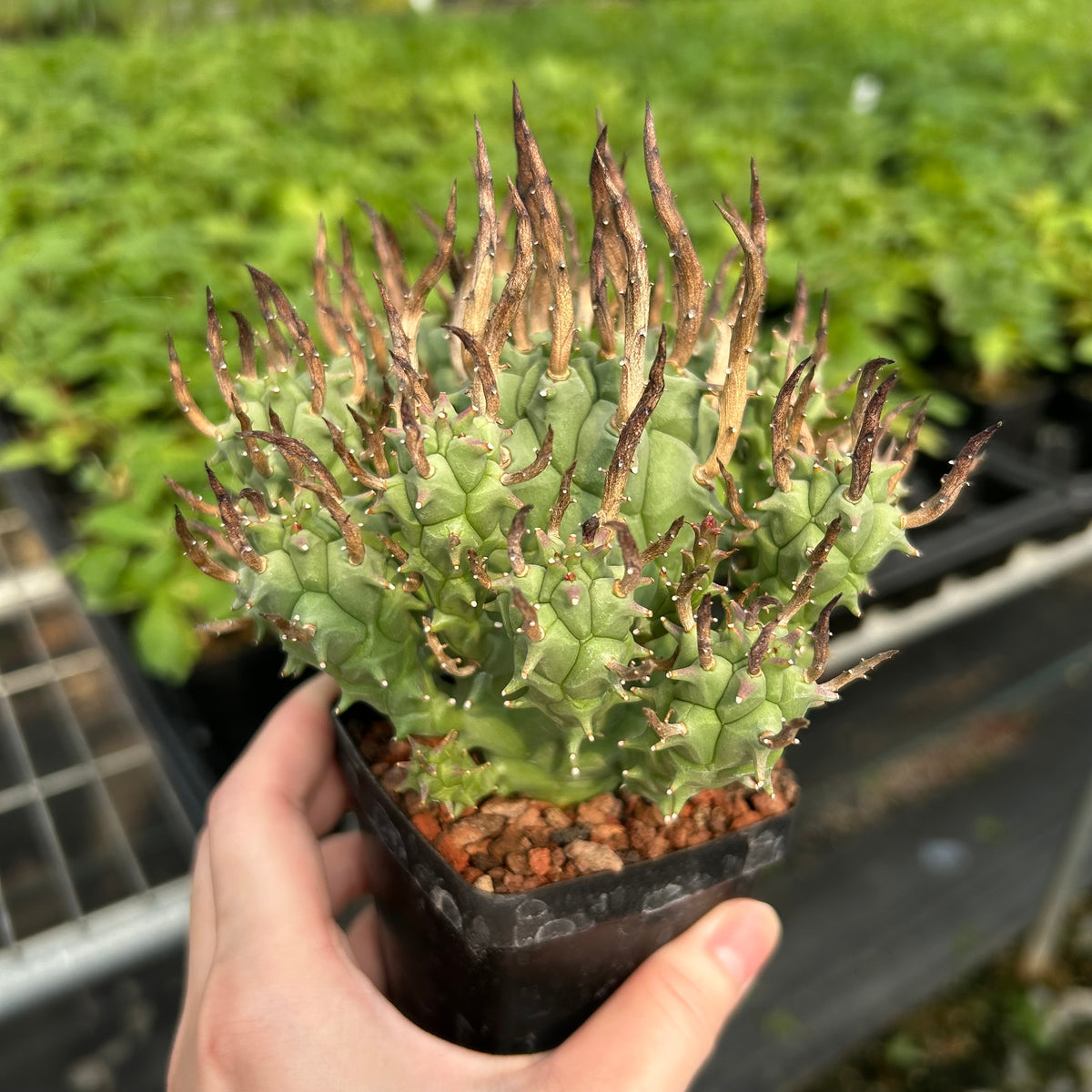
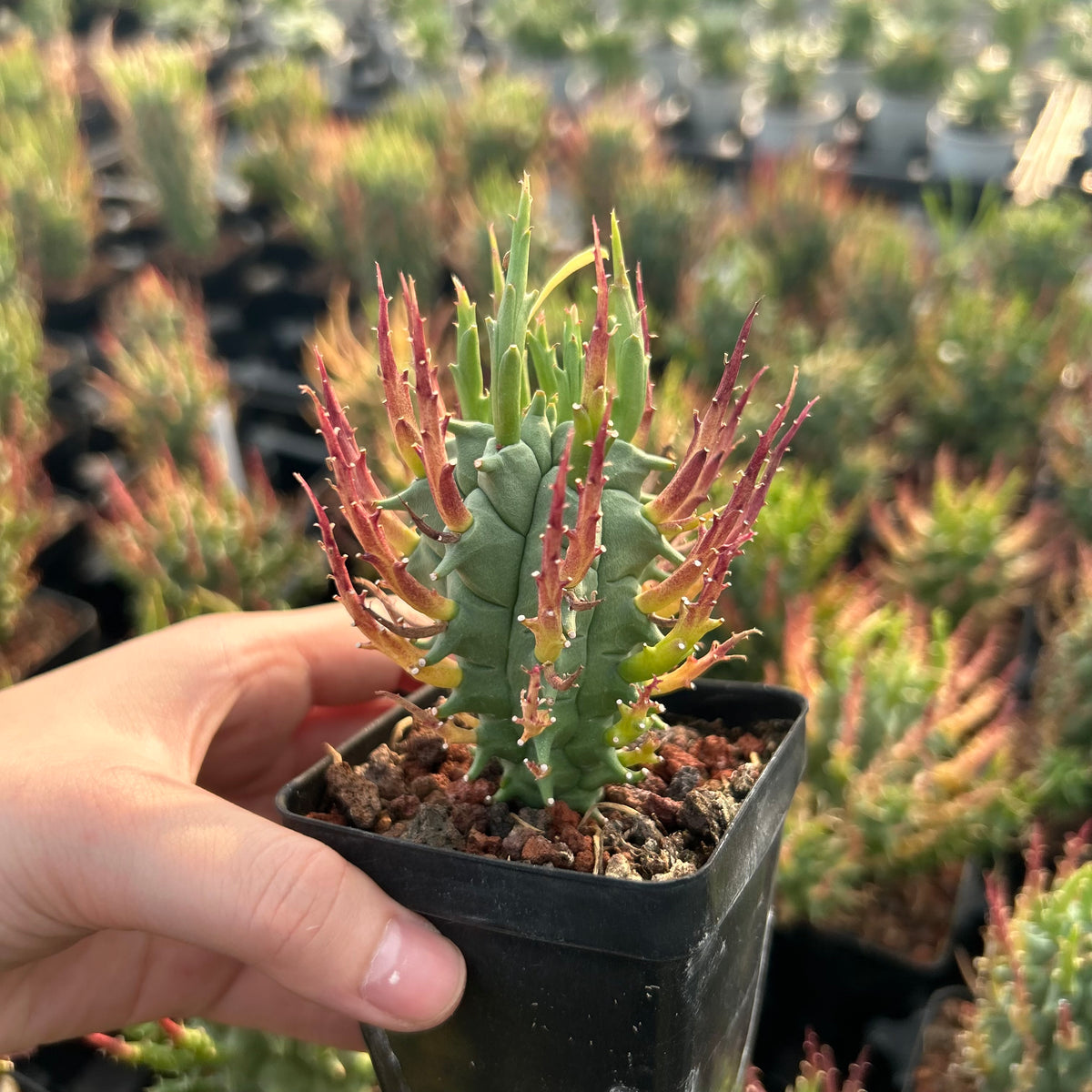
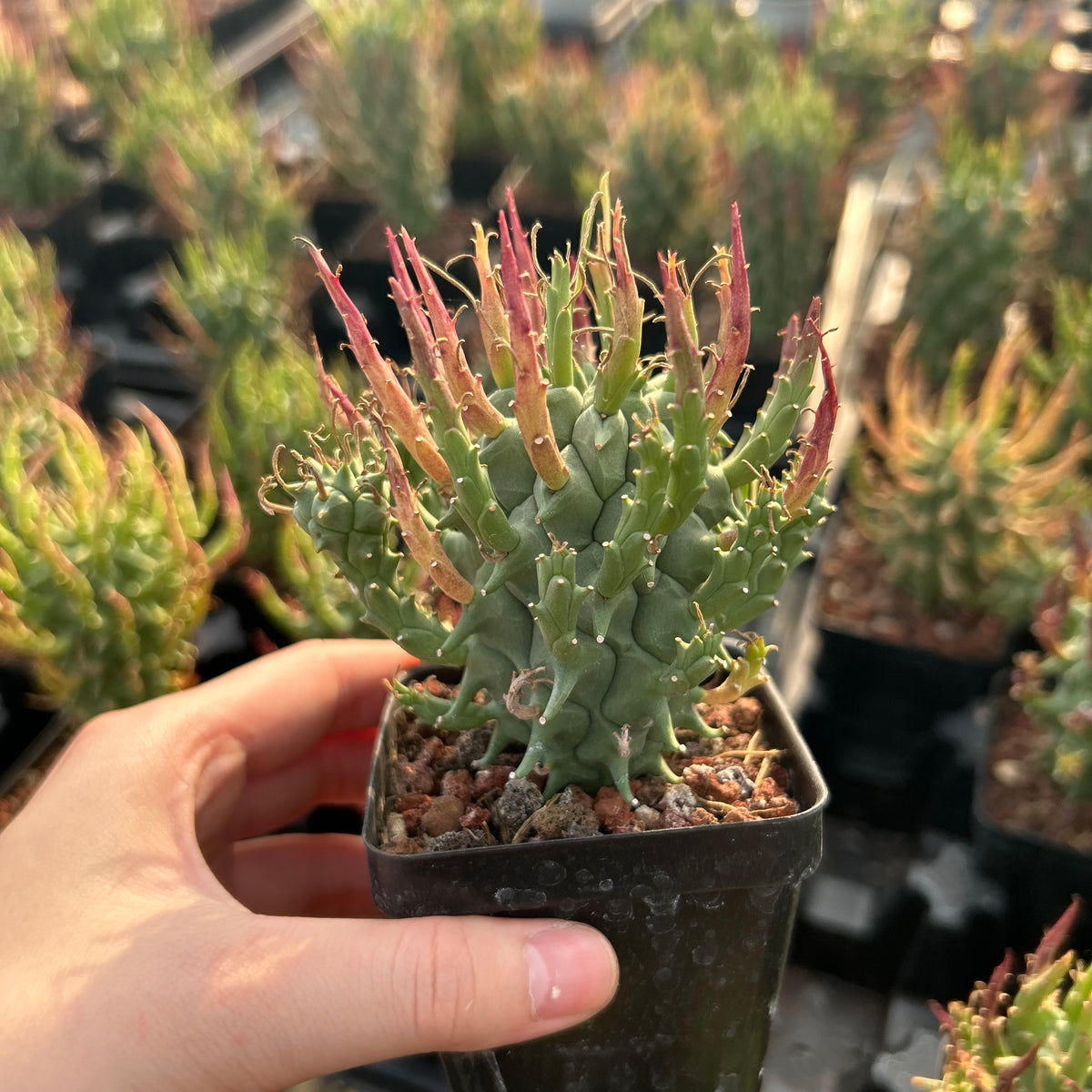
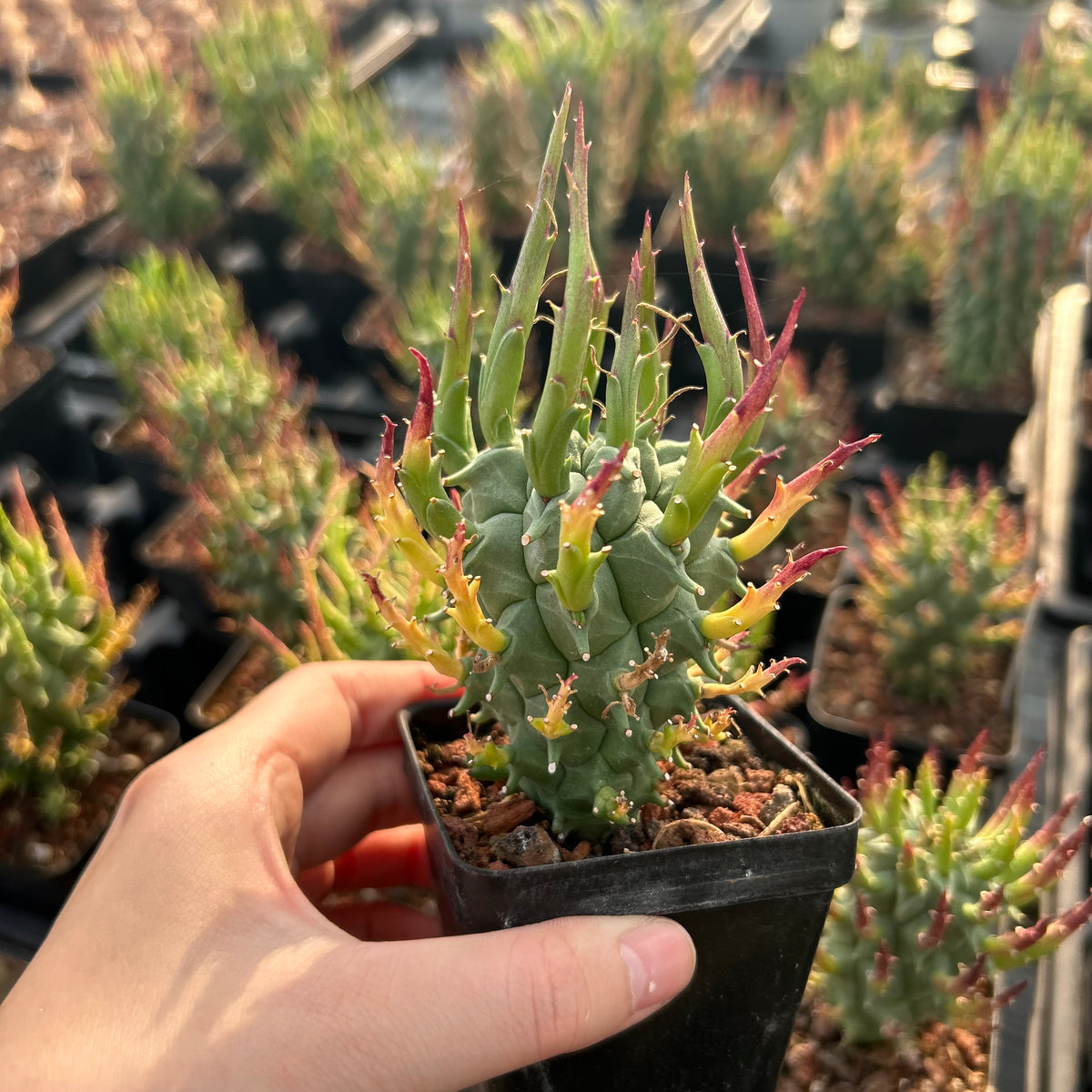
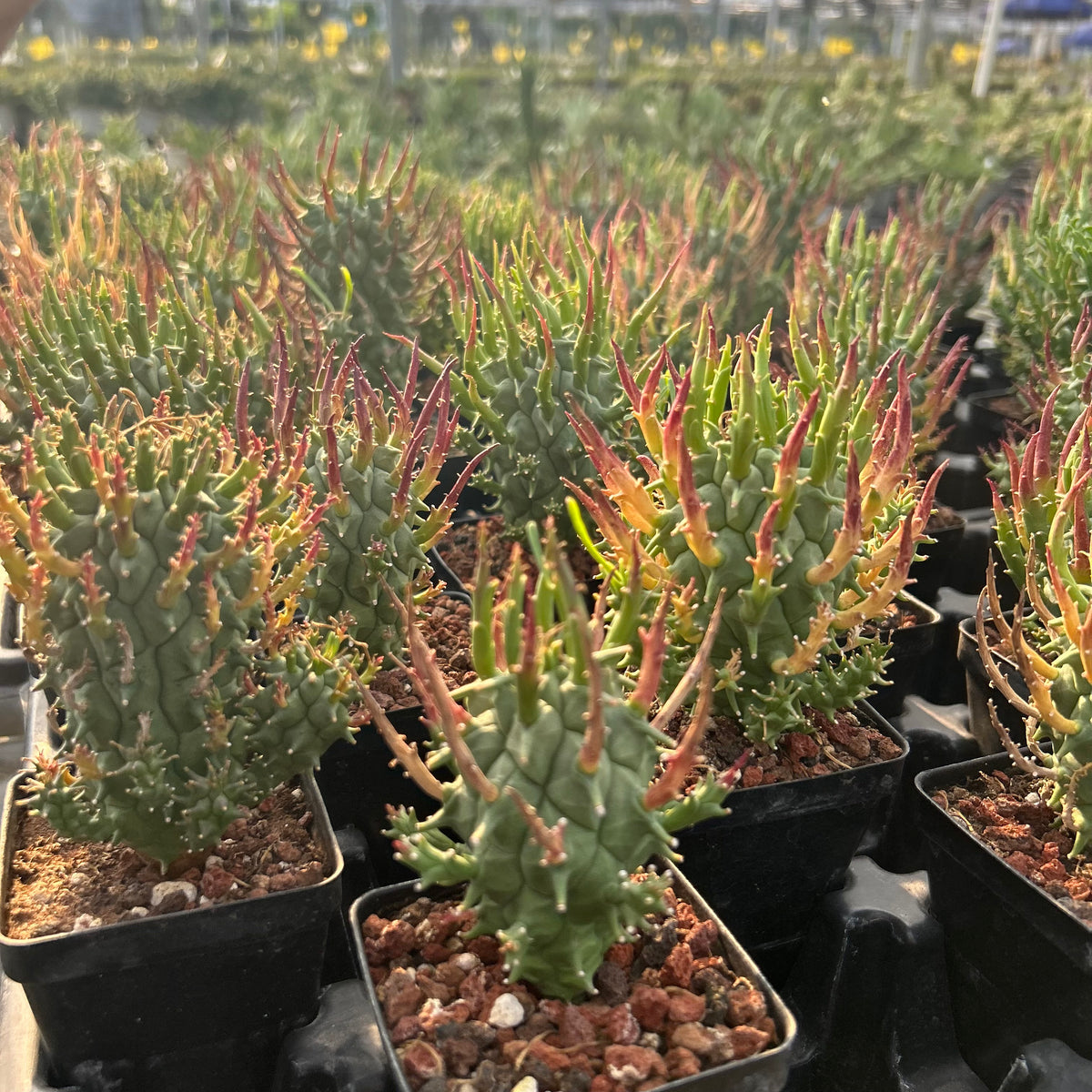
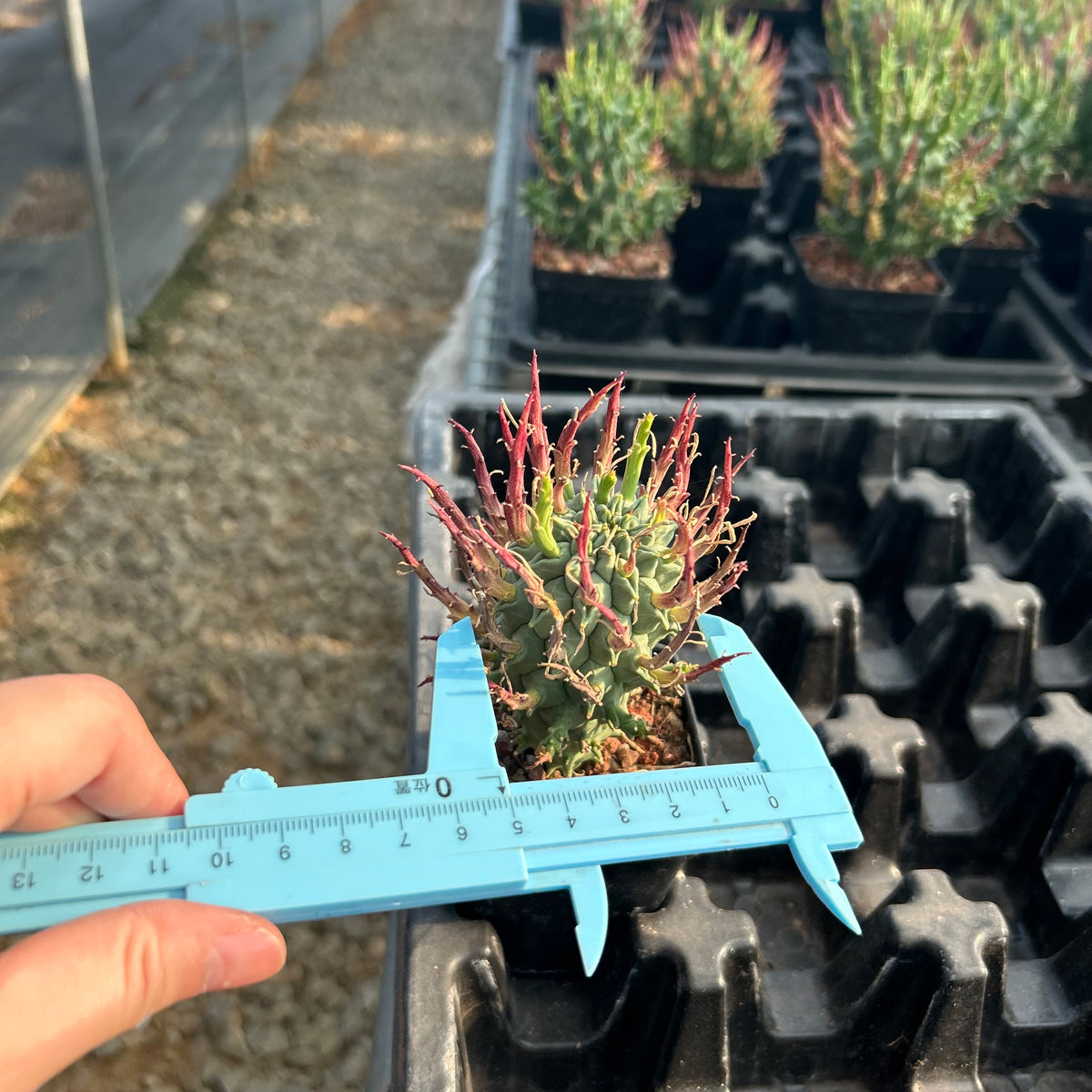
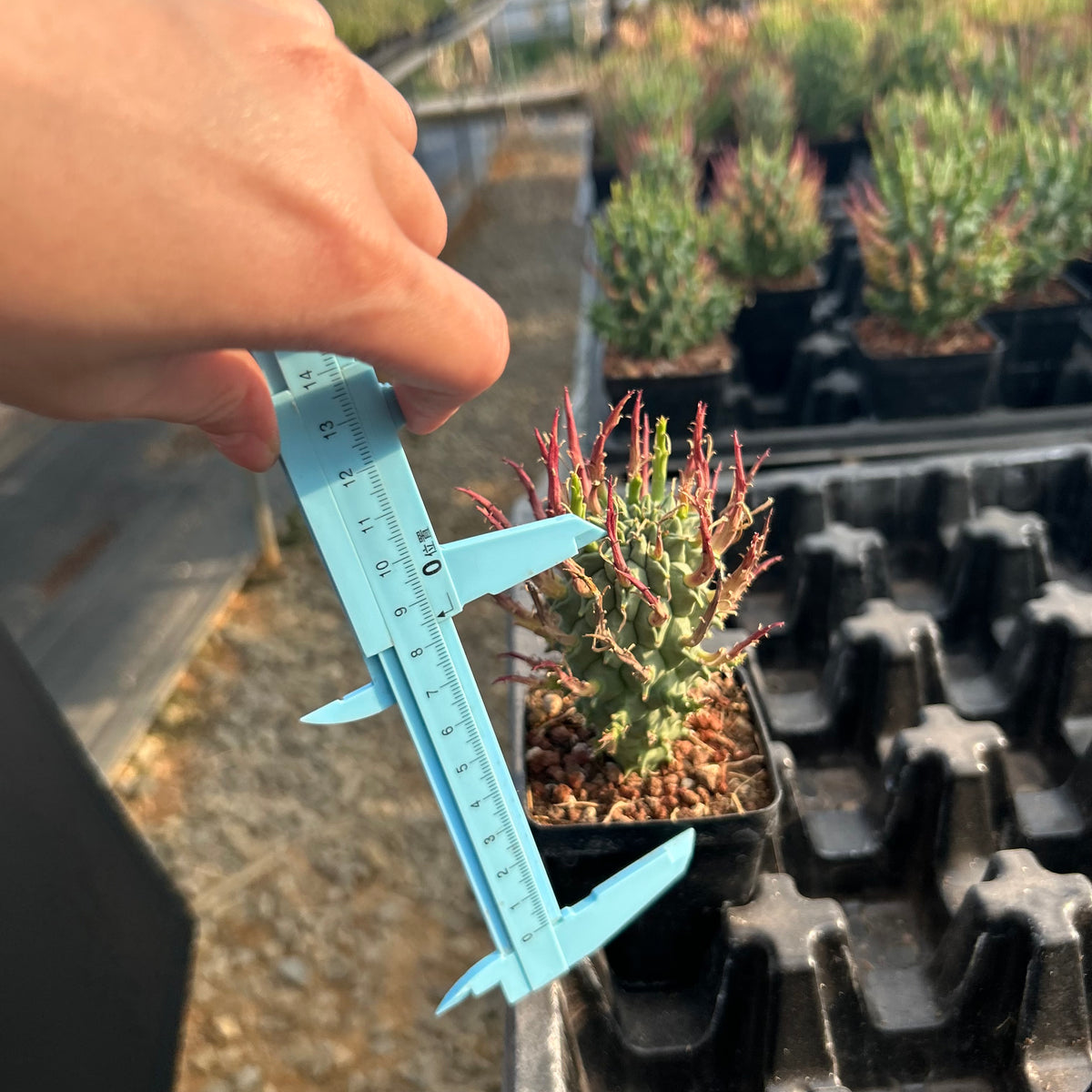
Euphorbia schoenlandii | Seed-grown | H:6-8cm
Couldn't load pickup availability
Origin
Euphorbia schoenlandii is native to the Western Cape Province of South Africa. Its distribution is primarily concentrated in the Namaqualand and Olifants River Valley regions. It is a highly specialized species belonging to the Euphorbia section Anthacanthae, named in honor of the German-born botanist Selmar Schönland. Due to its unique morphology and slow growth, it is a protected species under CITES Appendix II.
Habitat
In the wild, this species thrives in semi-arid, sandy, or stony plains and rocky hillslopes. It is a characteristic plant of the Succulent Karoo biome. It typically grows in well-drained, nutrient-poor soils, often in areas with winter rainfall and extremely dry summers. The plant's robust structure and "armored" exterior allow it to withstand intense solar radiation and deter herbivores in its harsh native environment.
Description
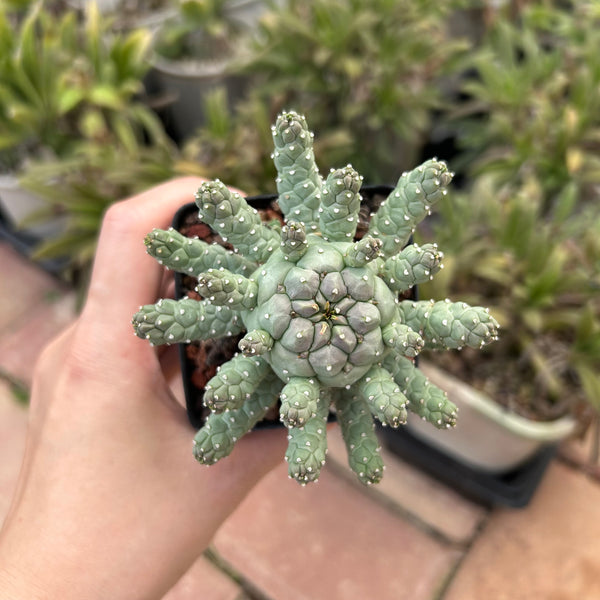
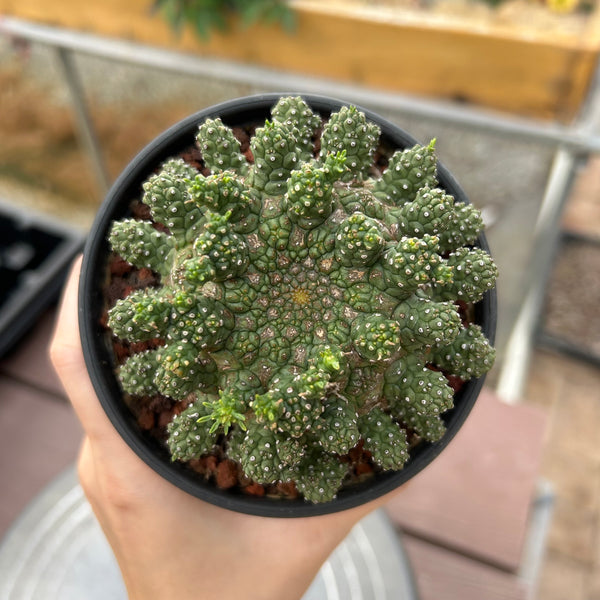
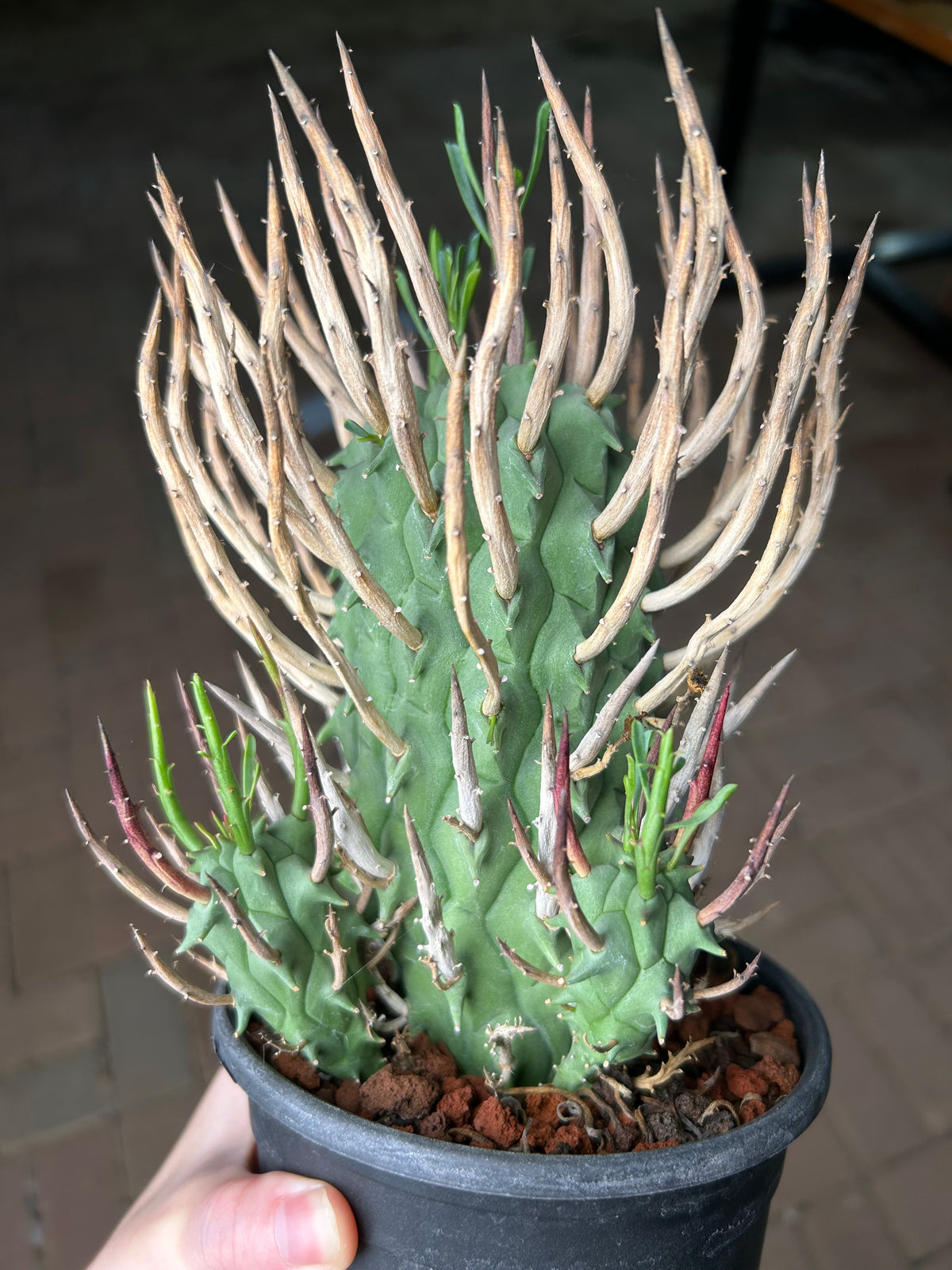
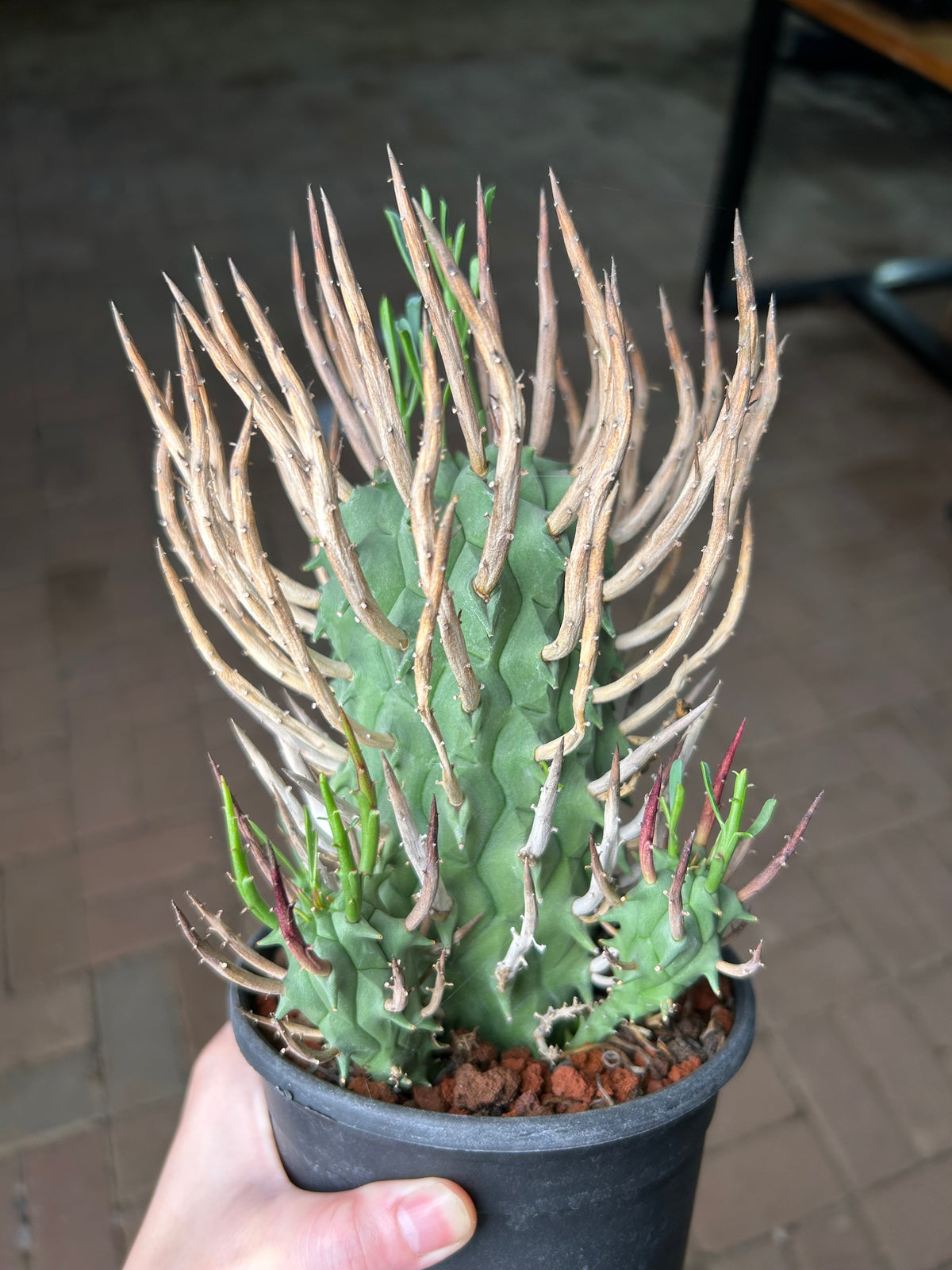
Euphorbia schoenlandii is a spectacular, slow-growing succulent prized for its prehistoric appearance and formidable spination.
-
Growth Habit: It grows as a solitary, unbranched columnar stem, although very old specimens may occasionally offset from the base. It can reach a height of 20–70 cm and a diameter of up to 20 cm.
-
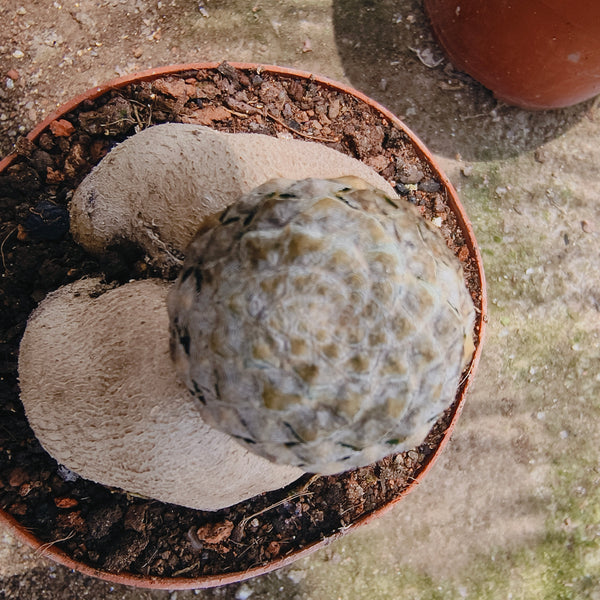
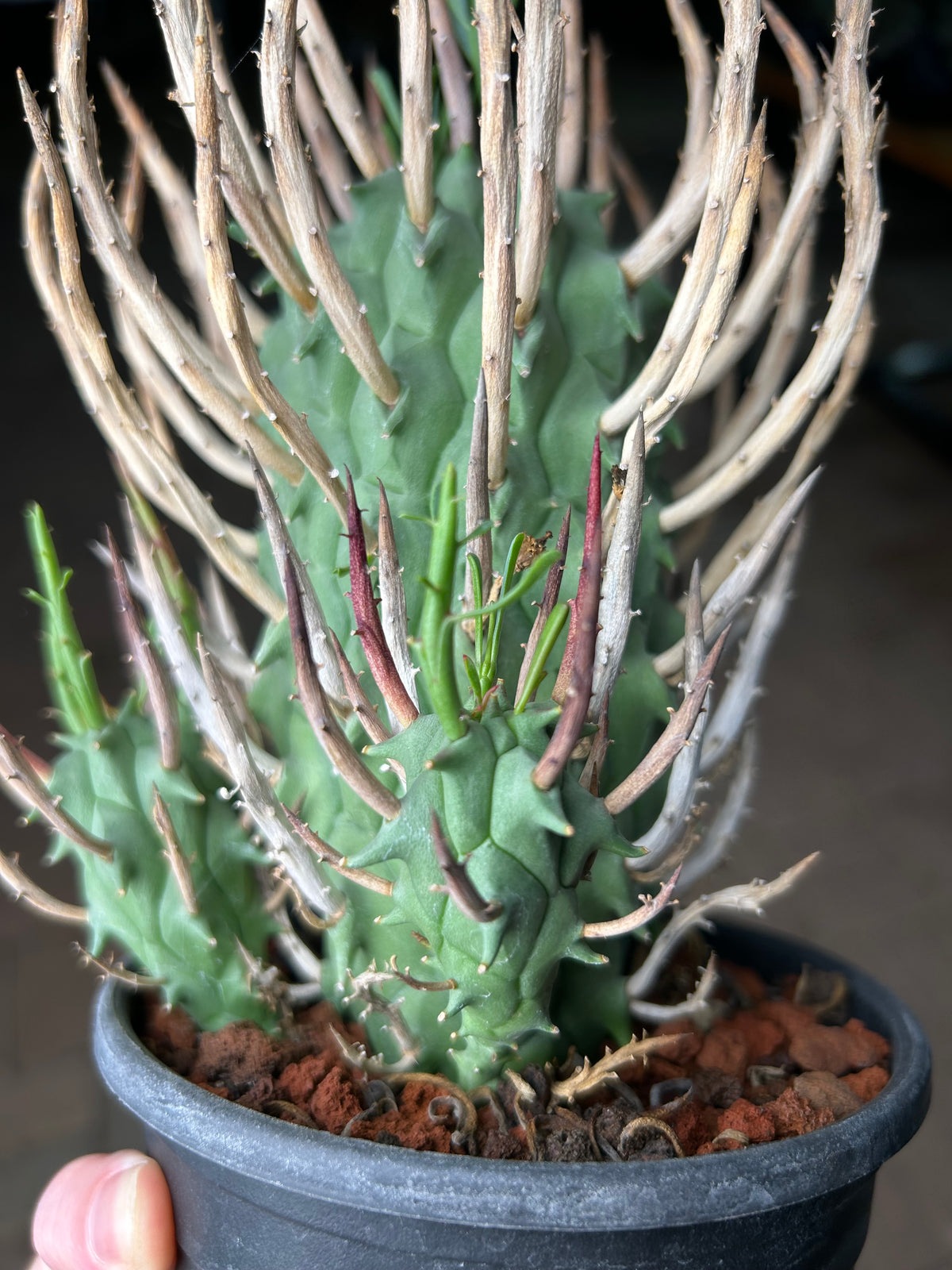
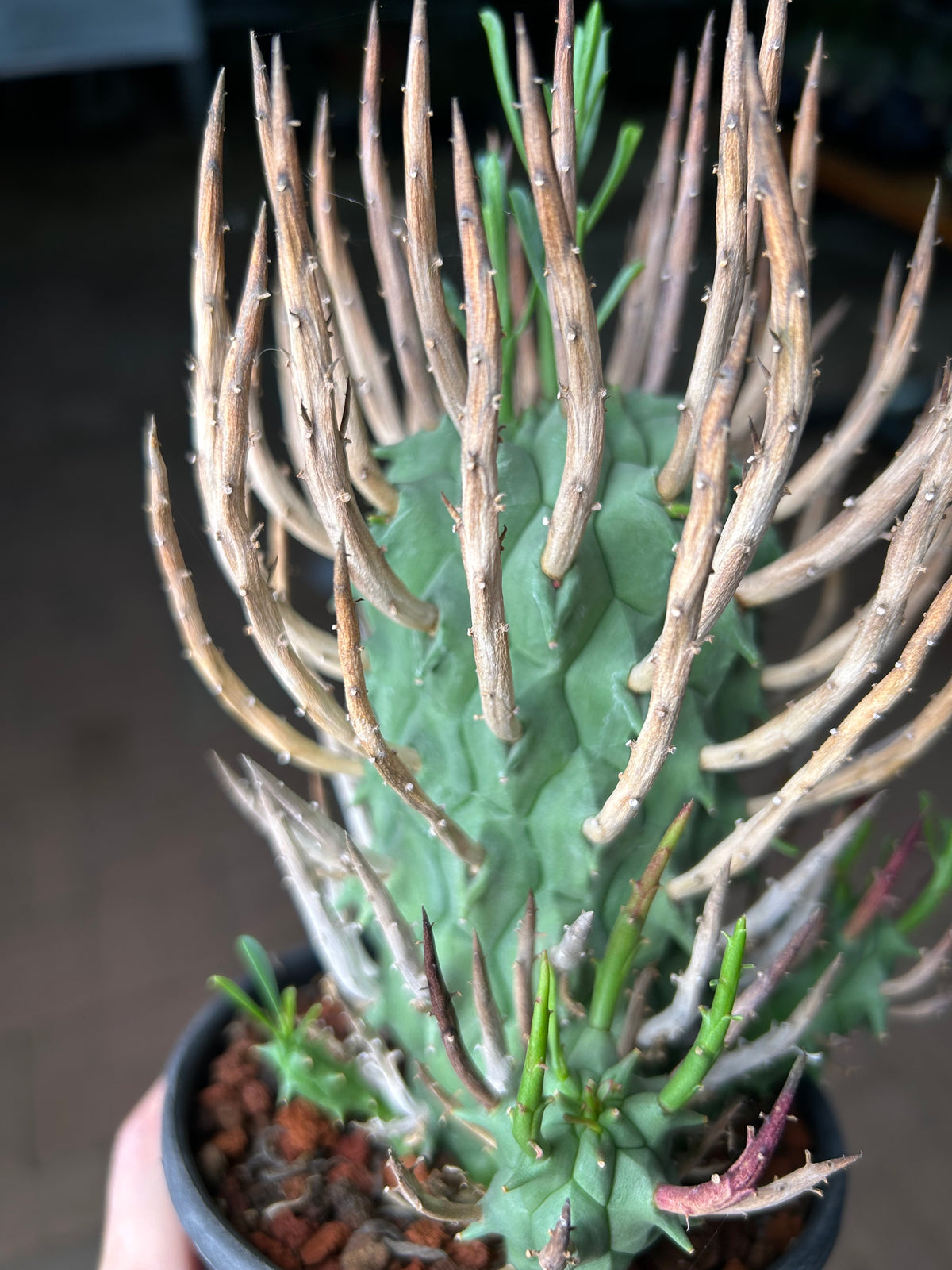
Stem & Tubercles: The stem is bright green to grayish-green, covered in prominent, spirally arranged tubercles. These tubercles are large and conical, giving the plant a highly geometric and textured surface.
-
The "Spines" (Persistent Peduncles): Its most defining feature is the long, woody, and sharp persistent peduncles (flower stalks). These stalks remain on the plant after flowering, hardening into "spines" that can reach 2–5 cm in length. They are often slightly curved or upright, creating a "hedgehog" or "porcupine" effect that protects the growing apex.
-
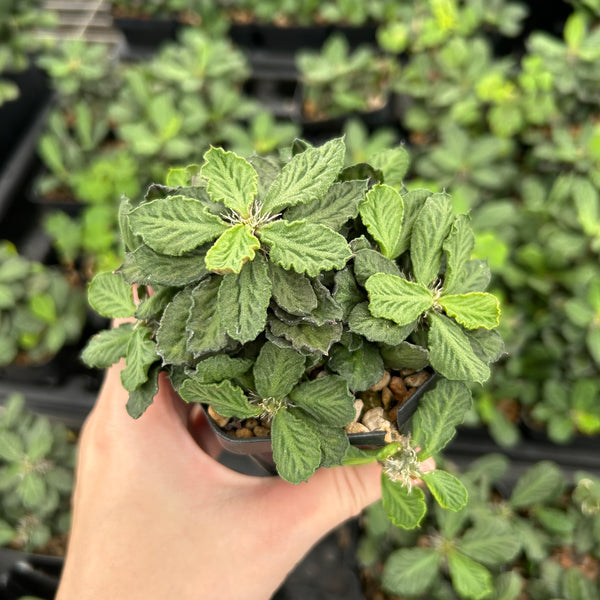
Foliage: It produces small, inconspicuous, and ephemeral leaves at the stem tip during the growing season. These leaves drop quickly as the plant enters dormancy.
-
Flowers (Cyathia): The cyathia are solitary and emerge from the tips of the sturdy peduncles. They are relatively small and yellowish-green, appearing primarily in winter or early spring.
-
Cultivation: This is a connoisseur's plant that requires maximum light intensity to maintain its thick stem and produce the characteristic long "spines." It necessitates an extremely porous, mineral-rich substrate (70-80% grit/pumice). It is a winter grower in its native habitat, so watering should be careful and focused on the cooler months, with a very dry rest period in summer.
Share

Product Specifications
- All plants are shipped bare-root, without pots or soil.
- To prevent excessive nutrient loss during international shipping, which may make it harder for the plant to recover, we usually trim the leaves before delivery. If you prefer the plant to be shipped without trimming, please contact me in advance.
Planting Instructions
- Please collect the plants as soon as possible after arrival to avoid delays.
- Open the package immediately upon receipt and replant. Do not place in direct sunlight; keep in a shaded or indirect light location for 2–3 days.
- After the adaptation period, start watering and gradually transition the plant to direct sunlight.
Care Guide
- Light: Requires plenty of light year-round, but avoid direct sunlight, especially during the hottest part of the day.
- Temperature: Native to tropical arid–semi-arid climates; temperatures below 5°C (41°F) can cause frost damage.
- Humidity: Prefers well-ventilated environments; avoid overly dry or overly humid conditions.
- Watering: Water moderately when the soil is 70% dry or completely dry.
○In the warm growing season: 1–2 times per week
○In the cooler dormant season: 2–3 times per month
Adjust according to soil dryness and plant water uptake. - Soil: Best grown in well-draining soil; not demanding on soil type.
- Fertilizing: Rarely needs fertilization; recommend using Osmocote A2 slow-release fertilizer once or twice a year.
Shipping Notice
- After receiving your order, we require 3–5 days for leaf trimming, soil removal, and drying to ensure safe long-distance transport.
- We ship via air freight; delivery time is usually 8–16 days.
- During transit, plants may enter dormancy and appear shriveled, discolored, or reduced in size—this is normal. They will recover after proper care upon arrival.
(For Wholesale Orders) International Shipping
- We can provide a phytosanitary certificate.
- The certificate fee is not included in the plant price and will be charged separately. For most standard orders, the fee is typically USD 100.
After-Sales Reminder
- Please record an unboxing video upon receipt.
- If the plant arrives dead, contact us for a refund or replacement. You can purchase with confidence.
Payment
We accept payments from all major credit cards such as Payoneer, PayPal, VISA, Alipay, etc.