We offer rare, unusual, and distinctive plants — and wholesale service for retail customers placing larger orders.

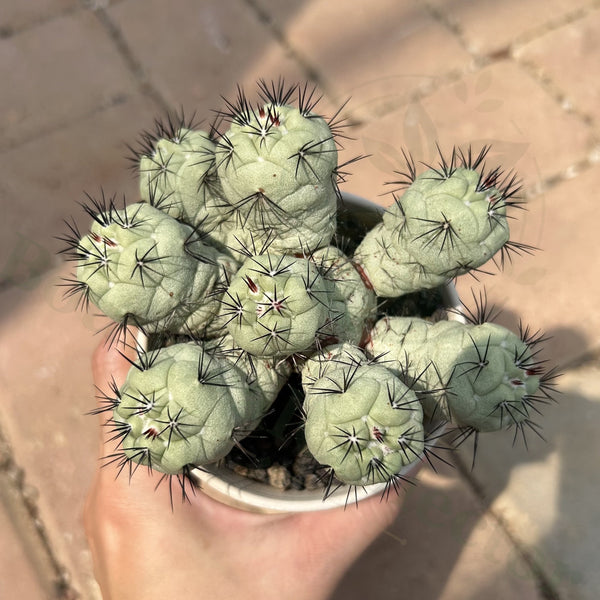
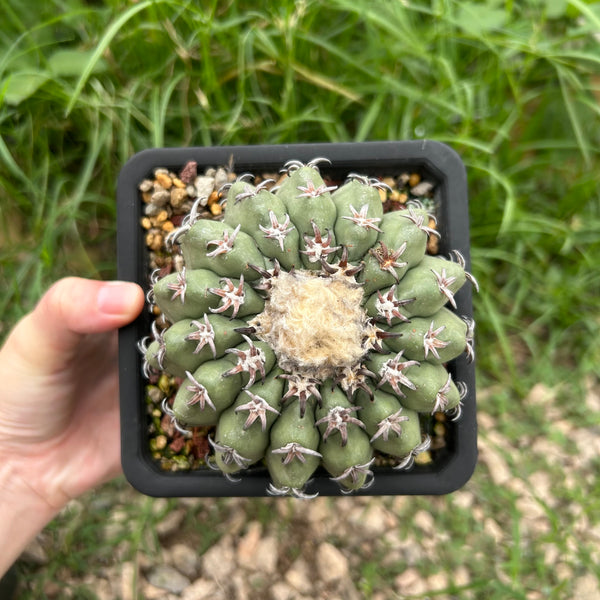
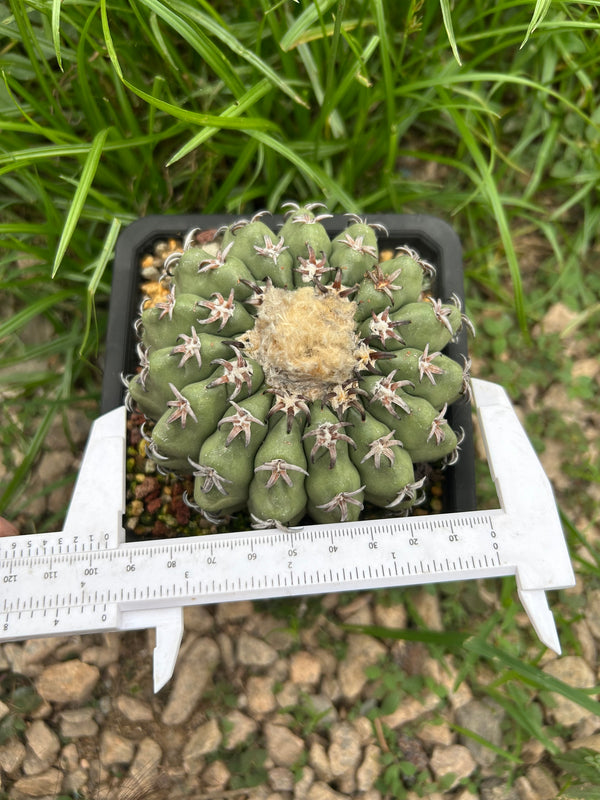
Echinocereus ferreirianus subs. lindsayi

· Premium
In Stock · Ships in 48h
$ 60.00 / plant
Attribute Option
Quantity Qty
1

Cataloged as

Sales Type Retail, Same Batch
Product Size W7-8cm
Weight 0.6 kg
Propagation Method Seed-grown
Genus Echinocereus

Description

Geographic & Climate

  • Geographic Coordinates: Approximately 29°35'N to 29°55'N, 114°45'W to 115°10'W (Type locality: vicinity of Jaraguay and Cataviña, central Baja California, Mexico).

  • Climate Classification: Tropical and subtropical desert climate (Köppen: BWh). Extremely arid with hyper-variable precipitation patterns.

  • Habitat Characteristics: Occurs at elevations between 200 and 600 meters above sea level. Inhabits decomposed granitic slopes, rocky grit pockets, and gravel plains within the central Baja California desert. Average annual rainfall is below 100 mm, mostly arriving via erratic winter cyclonic storms or rare late-summer monsoonal fringe systems.

Botanical Morphology

  • Diagnostic Features: Distinct from the nominate E. ferreirianus subsp. ferreirianus by its remarkably stout, long, and fiercely interlacing spines, as well as distinct flower dimensions. The solitary to rarely clustering cylindrical stems bear 13–18 distinct, tuberculate ribs. Spines are exceptionally rigid and straight to slightly curved: 4–7 prominent central spines reach up to 5–10 cm in length, colored chalky grey to dark purple-brown with black tips, virtually obscuring the green stem. Radial spines (10–14) are shorter, pectinately radiating around the areoles. Flowers are diurnal, funnelform, deep magenta to bright purple-pink with a characteristic dark red throat and dark green stigma lobes, measuring 6–9 cm in diameter.

  • Growth Habit: Winter-dormant (adapting to warm-season active growth when moisture permits). Moderately slow growth rate. Mature specimens typically remain solitary, reaching heights of 15–40 cm with stem diameters of 6–10 cm.

History & Etymology

  • Etymology: The specific epithet ferreirianus honors Fernando Ferreira, a Mexican botanist and agricultural administrator. The subspecific epithet lindsayi honors Dr. George E. Lindsay (1916–2002), a prominent American botanist, authority on Baja California cacti, and longtime director of the California Academy of Sciences.

  • Historical Context: Originally described as a distinct species (Echinocereus lindsayi) by J. Möller in 1975 based on plants discovered near Jaraguay. Due to its stunningly long, heavy spination and brilliant magenta blooms, it suffered intense targeted poaching immediately following its discovery, pushing wild populations to near extinction in accessible areas. Nigel P. Taylor reclassified it as a subspecies of E. ferreirianus in 1988 based on floral morphology and seed micromorphology.

Care Guide

Essential Care Tips for Thriving Plants

Light

Provide partial to full sun. Most plants thrive on direct UV exposure. Avoid placing behind window glass, as it filters out the essential UV rays needed for healthy growth.

Water

Follow the "Soak and Dry" principle. Ensure the top 2–3 cm of soil is bone dry before watering (use the finger test). Reduce frequency in winter, but do not stop watering entirely.

Temperature

The ideal range is 18–35 °C. Maintain temperatures above 5 °C during winter. Please note that temperatures below 0 °C pose a significant risk of plant death.

Humidity

Best kept at 30–50% humidity. Note: High air humidity is not a substitute for root watering. Avoid overly damp areas to prevent root rot or leggy side shoots.

Soil

A loose, well-draining medium is ideal. A mix containing 50–70% grit or mineral soil is recommended for aeration. Outdoor ground planting is also a viable option.

Fertilizer

Fertilize during repotting using Osmocote A2 slow-release fertilizer. Apply sparingly twice a year, or adjust the fertilizer type based on your specific home environment.

Planting Guide

Start Your Green Journey in 4 Steps

Unbox & Inspect

Carefully unpack and inspect the plant’s body and roots. We recommend taking photos or videos immediately for your records. Place it in a shaded, well-ventilated spot for 1–2 days to acclimate to its new environment.

Potting & Placement

After 24 hours of rest, pot the plant using slightly moistened soil. Place it in a bright, airy location to encourage recovery. Keep away from AC vents or heaters to prevent damage from temperature fluctuations.

First Watering

Use water that has sat for at least 24 hours. If using the damp-potting method, wait 2–3 days before the first watering. Ensure a thorough soak until water drains freely from the bottom.

Daily Care

Monitor leaf condition and soil moisture daily. If the soil remains damp, increase ventilation rather than watering. Proper airflow is essential to prevent root rot and ensure lasting health.