Commiphora kataf

BotanicalCollector

4.9 · Premium
In Stock · Ships in 48h
$ 80.00 / plant
Attribute Option
Quantity Qty
1
Sales Type Retail, Same Batch, WYSIWYG
Product Size W0.5cm
Weight 0.2 kg
Propagation Method Seed-grown
Genus Burseraceae

Description

Geographic & Climate

  • Geographic Coordinates (Type Locality Range): ~14°00'N – 16°30'N, 43°00'E – 45°30'E (Syntypes collected in Yemen by P. Forsskål). Species native distribution range spans ~5°S to 18°N, 36°E to 54°E (Northeast/East Tropical Africa across to the southwestern Arabian Peninsula).

  • Climate Classification: Hot Desert Climate (Köppen BWh) to Hot Semi-Arid Climate (Köppen BSh).

  • Habitat Characteristics: Altitude ranging from 15 m to 1,900 m above sea level. Native to Acacia-Commiphora deciduous bushlands, dry coastal thickets, and rocky limestone or volcanic slopes. Thrives in well-drained red sandy soils, rocky gravel, or black cotton soils exposed to low annual rainfall (100–400 mm) with pronounced dry seasons.

Botanical Morphology

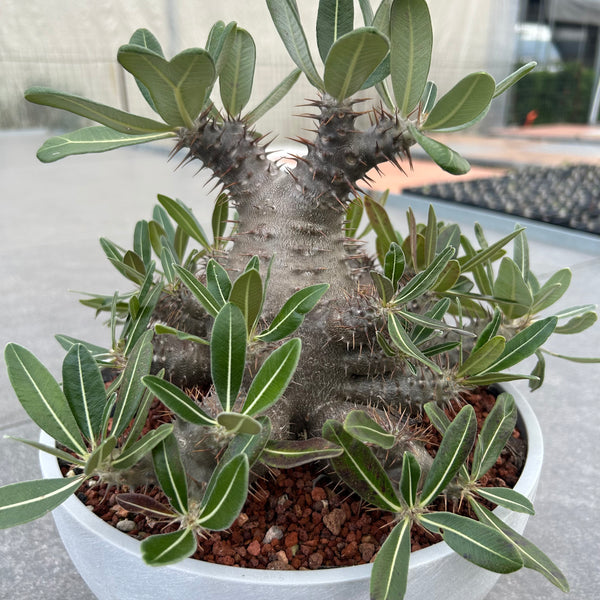
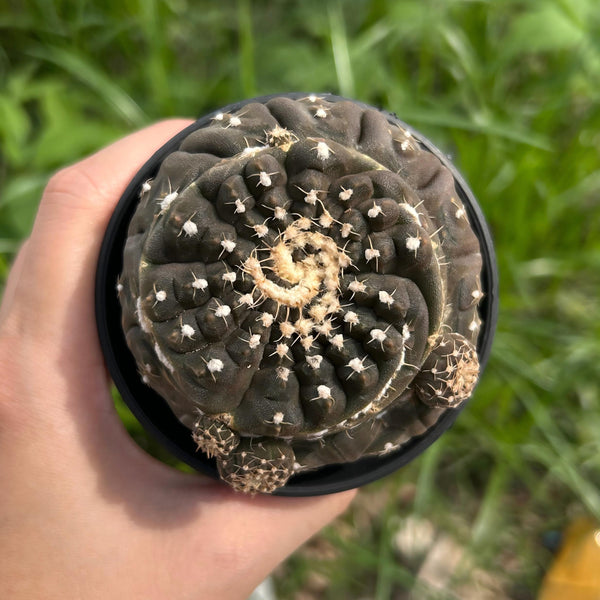
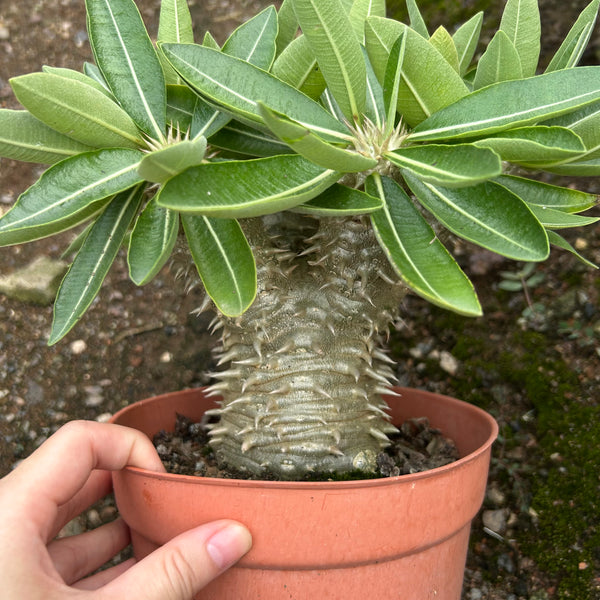
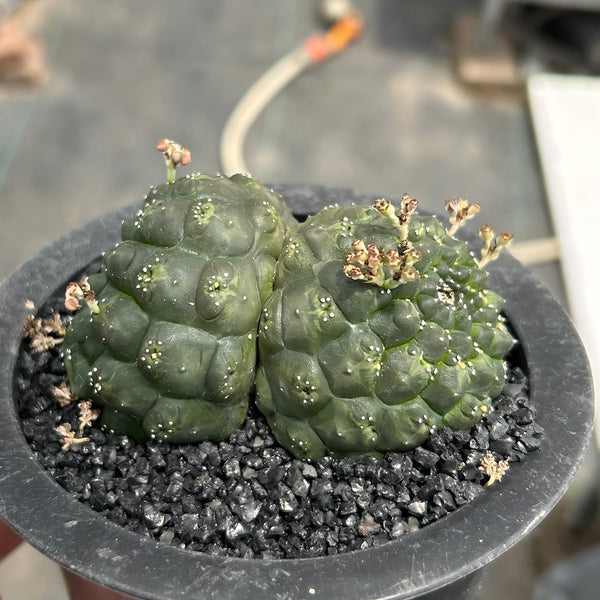
  • Diagnostic Features: An unarmed (spineless) pachycaul tree or shrub growing up to 3–10 meters tall. Diagnostic for its striking smooth, chalky-white to silver-grey outer bark that peels away in large paper-thin sheets, revealing a photosynthetic, glossy blue-green to emerald under-bark. Leaves are predominantly trifoliolate (3 leaflets) borne on short spur shoots, with obovate to broadly elliptic leaflets featuring distinctly crenate-dentate margins. Tissues yield a fragrant, sticky oleo-gum-resin (historically associated with opopanax/bisabol) upon incision.

  • Growth Habit: Strong summer-active grower with a thick, water-storing pachycaul trunk (30–50 cm in diameter). Deciduous during dry periods or low winter temperatures (drops leaves completely below 10°C–12°C). Moderate to fast growth rate in active season; forms a highly branched, swollen architectural trunk ideal for containerized caudiciform culture.

History & Etymology

  • Etymology:

    • Genus Commiphora: From Ancient Greek kómmi (gum/resin) and phorós (bearing/carrying), referring to the characteristic aromatic resin produced by species in this genus.

    • Species epithet kataf: Derived from "Katāf" (كتاف) or "Qatāf," the local Arabic vernacular name recorded in Yemen for this resinous tree.

  • Historical Context: First gathered and described by the Swedish naturalist Pehr (Peter) Forsskål during the Danish Expedition to Arabia Felix in 1763 (originally published as Amyris kataf). Indigenous populations along the Red Sea and Horn of Africa have harvested its aromatic resin for centuries as incense, traditional remedies, and natural livestock pest repellents.

Care Guide

Essential Care Tips for Thriving Plants

Light

Provide partial to full sun. Most plants thrive on direct UV exposure. Avoid placing behind window glass, as it filters out the essential UV rays needed for healthy growth.

Water

Follow the "Soak and Dry" principle. Ensure the top 2–3 cm of soil is bone dry before watering (use the finger test). Reduce frequency in winter, but do not stop watering entirely.

Temperature

The ideal range is 18–35 °C. Maintain temperatures above 5 °C during winter. Please note that temperatures below 0 °C pose a significant risk of plant death.

Humidity

Best kept at 30–50% humidity. Note: High air humidity is not a substitute for root watering. Avoid overly damp areas to prevent root rot or leggy side shoots.

Soil

A loose, well-draining medium is ideal. A mix containing 50–70% grit or mineral soil is recommended for aeration. Outdoor ground planting is also a viable option.

Fertilizer

Fertilize during repotting using Osmocote A2 slow-release fertilizer. Apply sparingly twice a year, or adjust the fertilizer type based on your specific home environment.

Planting Guide

Start Your Green Journey in 4 Steps

01

Unbox & Inspect

Carefully unpack and inspect the plant’s body and roots. We recommend taking photos or videos immediately for your records. Place it in a shaded, well-ventilated spot for 1–2 days to acclimate to its new environment.

02

Potting & Placement

After 24 hours of rest, pot the plant using slightly moistened soil. Place it in a bright, airy location to encourage recovery. Keep away from AC vents or heaters to prevent damage from temperature fluctuations.

03

First Watering

Use water that has sat for at least 24 hours. If using the damp-potting method, wait 2–3 days before the first watering. Ensure a thorough soak until water drains freely from the bottom.

04

Daily Care

Monitor leaf condition and soil moisture daily. If the soil remains damp, increase ventilation rather than watering. Proper airflow is essential to prevent root rot and ensure lasting health.